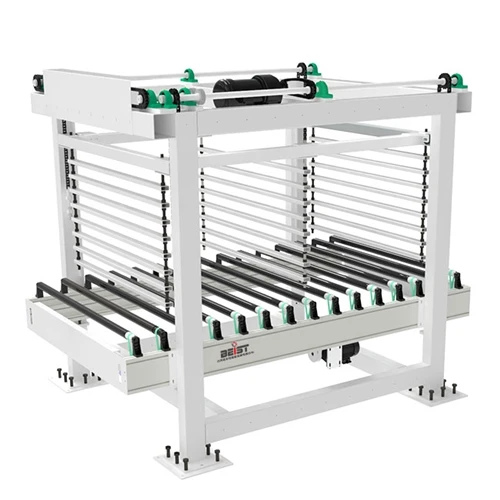
As a supplier of Carbon Steel Belt Conveyors, I often get asked about the speed range of these robust and reliable machines. Understanding the speed range is crucial for various industries as it directly impacts the efficiency and productivity of the production line. In this blog, I'll delve into the factors that influence the speed range of a carbon steel belt conveyor and provide some practical insights for potential buyers.
Factors Influencing the Speed Range
The speed range of a carbon steel belt conveyor is determined by several key factors, including the type of material being conveyed, the conveyor's design and construction, and the specific application requirements.
Material Characteristics
The nature of the material being transported plays a significant role in determining the appropriate conveyor speed. For instance, if you're conveying lightweight, free - flowing materials such as grains or powders, a higher conveyor speed may be feasible. These materials are less likely to be damaged by higher speeds and can be moved quickly along the belt. On the other hand, if the material is heavy, irregularly shaped, or fragile, a lower speed is usually necessary to prevent spillage, damage, or jams. For example, when conveying large metal parts or delicate glass items, a slower speed ensures the safety and integrity of the products.
Conveyor Design and Construction
The design of the conveyor itself also affects its speed range. The length, width, and incline of the conveyor are important considerations. Longer conveyors may require a lower speed to maintain stability and prevent excessive tension on the belt. A wider belt can generally handle higher speeds as it provides more surface area for the material to rest on, reducing the risk of spillage. Additionally, the incline of the conveyor can impact the speed. Conveyors with a steeper incline may need to operate at a slower speed to prevent the material from sliding back down the belt.
The quality of the conveyor's components, such as the belt, rollers, and drive system, also influences the speed range. High - quality components are more durable and can withstand higher speeds without premature wear or failure. For example, a well - designed drive system can provide smooth and consistent power transmission, allowing the conveyor to operate at optimal speeds.
Application Requirements
The specific application for which the conveyor is being used will dictate the required speed range. In a high - volume manufacturing environment, such as an automotive assembly line, a fast - moving conveyor may be necessary to keep up with the production rate. In contrast, in a sorting or inspection application, a slower speed may be required to allow workers to carefully examine the products.
Typical Speed Range of Carbon Steel Belt Conveyors
In general, the speed range of a carbon steel belt conveyor can vary widely, from as low as 0.1 meters per second (m/s) to as high as 5 m/s or more. However, most industrial applications fall within the range of 0.5 m/s to 2 m/s.
At the lower end of the speed range (0.1 - 0.5 m/s), these conveyors are often used for applications that require precise control, such as assembly lines where workers need to perform delicate operations on the products. Slow - moving conveyors are also suitable for handling fragile or high - value items where any sudden movement could cause damage.
Conveyors operating in the middle range (0.5 - 2 m/s) are the most common in industrial settings. This speed range offers a good balance between efficiency and product handling. It is suitable for a wide variety of applications, including material handling in warehouses, food processing plants, and packaging facilities.


At the higher end of the speed range (2 - 5 m/s or more), these conveyors are typically used in high - speed production environments where large volumes of materials need to be moved quickly. For example, in the mining industry, conveyors can operate at high speeds to transport large quantities of ore or coal over long distances.
Considerations for Selecting the Right Speed
When selecting the appropriate speed for a carbon steel belt conveyor, it's important to consider the following:
Throughput Requirements
Determine the amount of material that needs to be conveyed per unit of time. This will help you calculate the required speed based on the volume and density of the material.
Product Integrity
Ensure that the selected speed will not cause damage to the products being conveyed. If the material is fragile, a slower speed may be necessary.
Safety
Higher speeds can increase the risk of accidents, such as belt slippage or material spillage. Make sure that the conveyor is equipped with appropriate safety features, such as emergency stop buttons and guards, and that operators are properly trained to work with high - speed conveyors.
Maintenance and Durability
Higher speeds can put more stress on the conveyor components, leading to increased wear and tear. Consider the maintenance requirements and the expected lifespan of the conveyor when selecting the speed.
Related Conveyor Products
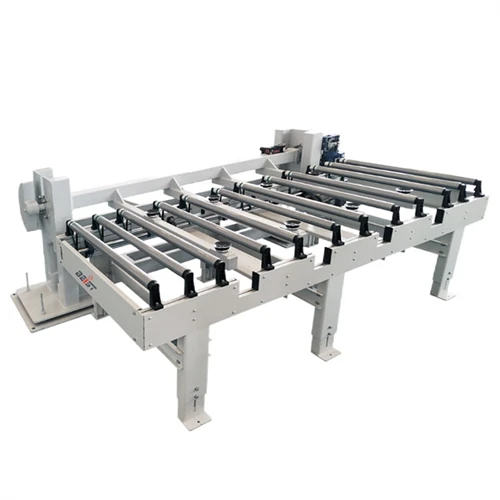
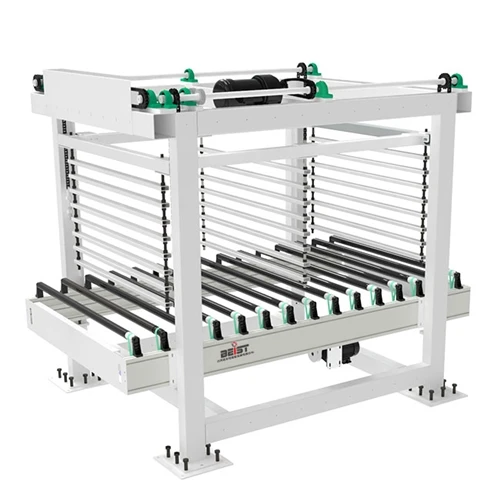
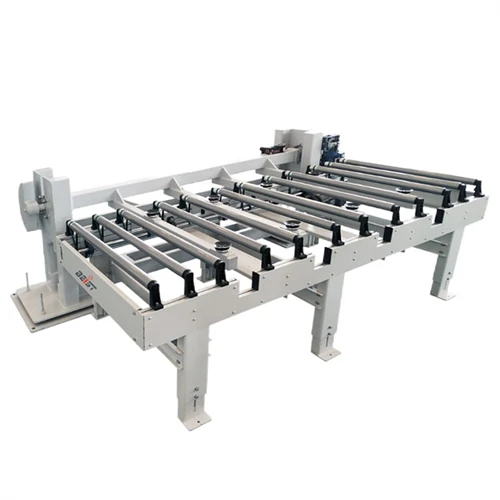
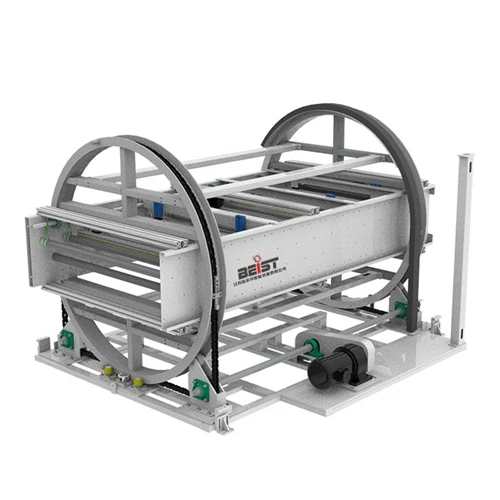
In addition to carbon steel belt conveyors, there are other types of conveyors that may be suitable for your application. For example, a Cross Conveyor can be used to transfer materials between different conveyor lines at right angles. A Powered Roller Conveyor is ideal for conveying heavy or large items, as the rollers provide support and reduce friction. And a Cross Conveyor with Rotation Function can be used to rotate the products as they are being conveyed, which is useful for certain assembly or inspection processes.
Conclusion
The speed range of a carbon steel belt conveyor is influenced by a variety of factors, including the material characteristics, conveyor design, and application requirements. By carefully considering these factors, you can select the appropriate speed to ensure optimal performance, efficiency, and product integrity.
If you're in the market for a carbon steel belt conveyor or have questions about the speed range and other aspects of conveyor selection, I encourage you to reach out to me. I have extensive experience in providing high - quality conveyor solutions and can help you find the right conveyor for your specific needs. Let's start a conversation about your project and see how I can assist you in achieving your production goals.
References
- Conveyor Handbook, Industry Standard Publishing
- Material Handling Equipment Guidelines, National Association of Manufacturers