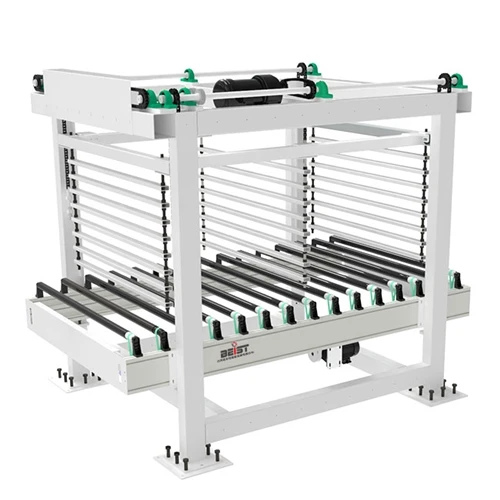
Hey there! I'm a supplier of Gravity Skate Wheel Conveyors, and today I wanna talk about how these conveyors perform in a dusty environment.
The Basics of Gravity Skate Wheel Conveyors
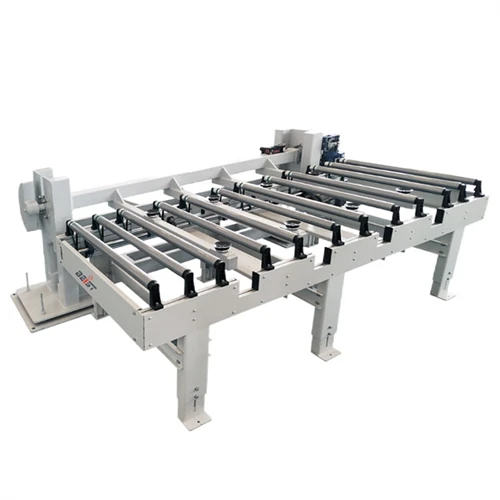
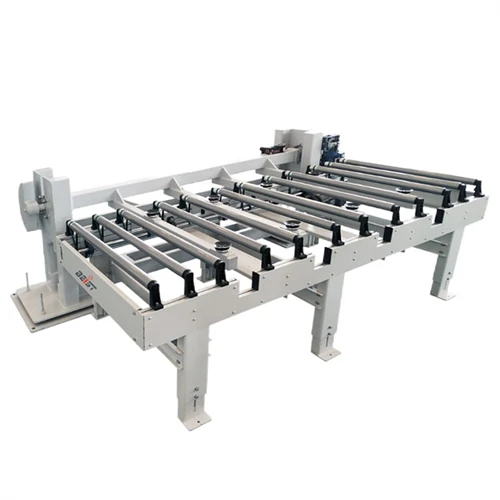
First off, let's quickly go over what a Gravity Skate Wheel Conveyor is. It's a type of conveyor system that uses skate wheels to move items along. The movement is powered by gravity, which means it doesn't need any external power source like electricity. This makes it a cost - effective and simple solution for many industries.
These conveyors are great for moving lightweight to medium - weight items. They're commonly used in warehouses, distribution centers, and manufacturing facilities. You can easily move boxes, cartons, and other small to medium - sized packages on them.
Challenges in a Dusty Environment
Now, when it comes to a dusty environment, there are a few challenges that a Gravity Skate Wheel Conveyor might face. Dust can be a real pain in the neck for any mechanical system, and these conveyors are no exception.
One of the main issues is that dust can get into the skate wheels' bearings. The bearings are crucial for the smooth rotation of the wheels. When dust particles get in there, they can cause friction. This friction not only makes the wheels harder to turn but can also lead to premature wear and tear. Over time, the bearings might start to fail, and you'll have to replace them, which can be costly and time - consuming.
Another problem is that dust can accumulate on the surface of the conveyor. This build - up can create an uneven surface, which might cause the items being transported to get stuck or move erratically. Imagine trying to slide a box down a conveyor, and it keeps getting caught on little mounds of dust. That's not a good look for efficiency!
Performance in Dust
Despite these challenges, Gravity Skate Wheel Conveyors can still perform reasonably well in a dusty environment if they're properly maintained.
Let's talk about their load - carrying capacity. In a dusty environment, the conveyor's ability to carry loads remains relatively stable as long as the dust hasn't severely affected the wheels' rotation. The gravity - powered design means that as long as the wheels can turn, the conveyor can move items of the appropriate weight. However, if the dust has caused significant friction in the bearings, the conveyor might struggle to move heavier items, and you might notice a decrease in the speed at which items are transported.


The speed of the conveyor is also something to consider. In normal conditions, Gravity Skate Wheel Conveyors can move items at a decent pace. But in a dusty environment, the speed can be affected. The friction caused by dust can slow down the rotation of the wheels, which in turn slows down the movement of the items on the conveyor. You might find that it takes longer for items to reach their destination, which can impact the overall efficiency of your operation.
Maintenance is Key
To keep your Gravity Skate Wheel Conveyor performing well in a dusty environment, regular maintenance is a must.
One of the simplest things you can do is to clean the conveyor regularly. Use a brush or a compressed air gun to remove the dust from the wheels and the conveyor surface. This will prevent dust from building up and causing problems.
You should also lubricate the bearings regularly. A good lubricant can help reduce the friction caused by dust particles and keep the wheels turning smoothly. Make sure to use a lubricant that's suitable for the type of bearings in your conveyor.
Inspecting the conveyor for any signs of wear and tear is also important. Check the wheels for any damage, and look for any signs that the bearings might be failing. If you notice any issues, address them as soon as possible to prevent further damage.
Comparing with Other Conveyors
It's also interesting to compare the performance of Gravity Skate Wheel Conveyors in a dusty environment with other types of conveyors. For example, Air Flotation Table Conveyor and Unpowered Roller Conveyor and Sorting Roller Conveyor.
Air Flotation Table Conveyors use a cushion of air to move items, which means they're less likely to be affected by dust. Since there are no moving parts in direct contact with the items (other than the air), dust is less likely to cause friction or damage. However, they can be more expensive to install and maintain.
Unpowered Roller Conveyors are similar to Gravity Skate Wheel Conveyors in that they're also gravity - powered. But they use rollers instead of skate wheels. Rollers might be more resistant to dust in some cases because they have a larger surface area, which can make it harder for dust to accumulate in a way that affects their performance. However, they might also be more difficult to clean.
Sorting Roller Conveyors are designed for sorting items, and they can also be used in dusty environments. They face similar challenges as Gravity Skate Wheel Conveyors when it comes to dust, but their sorting mechanisms might be more complex and thus more vulnerable to dust - related problems.
Conclusion
In conclusion, Gravity Skate Wheel Conveyors can perform in a dusty environment, but they need proper care and maintenance. With regular cleaning, lubrication, and inspection, you can keep them running smoothly and avoid costly breakdowns.
If you're in the market for a conveyor system for your dusty environment, I'd be more than happy to help. Whether you're looking for a Gravity Skate Wheel Conveyor or any of the other types I mentioned, I can provide you with the right solution for your needs. Don't hesitate to reach out to me for more information or to start a procurement discussion. I'm here to make sure you get the best conveyor system for your operation.
References
- General knowledge about conveyor systems and their performance in different environments.
- Industry experience as a Gravity Skate Wheel Conveyor supplier.