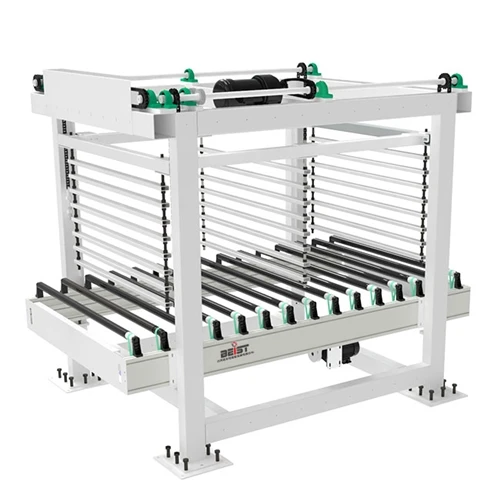
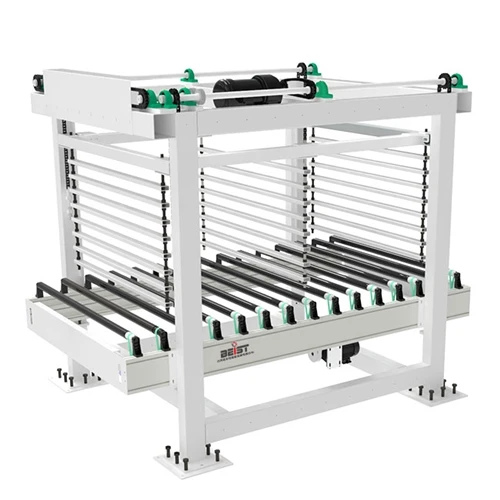
As a supplier of Panel Storage Machines, understanding the operating temperature range of these machines is crucial for both us and our customers. The operating temperature range not only affects the performance and efficiency of the Panel Storage Machine but also determines its reliability and lifespan. In this blog post, we will delve into the details of the operating temperature range of a Panel Storage Machine, exploring its significance, influencing factors, and recommended temperature settings.
Significance of Operating Temperature Range
The operating temperature range of a Panel Storage Machine refers to the temperature limits within which the machine can operate safely and effectively. Operating the machine outside this range can lead to a variety of problems, including reduced performance, increased wear and tear, and even permanent damage.
- Performance: Temperature can have a significant impact on the performance of a Panel Storage Machine. At low temperatures, the viscosity of lubricants increases, which can cause increased friction and resistance in moving parts. This can lead to slower operation speeds and reduced efficiency. On the other hand, high temperatures can cause components to expand, which can lead to misalignment and increased stress on the machine's structure. This can also result in reduced performance and accuracy.
- Reliability: Operating a Panel Storage Machine outside its recommended temperature range can reduce its reliability. Extreme temperatures can cause electronic components to malfunction, leading to system failures and downtime. Additionally, high temperatures can accelerate the aging process of materials, such as plastics and rubber, which can lead to premature wear and tear and the need for more frequent maintenance and replacement of parts.
- Lifespan: The lifespan of a Panel Storage Machine is closely related to its operating temperature. Operating the machine within its recommended temperature range can help to extend its lifespan by reducing the stress on its components and minimizing the risk of damage. Conversely, operating the machine outside this range can significantly shorten its lifespan, resulting in higher costs for replacement and maintenance.
Influencing Factors
Several factors can influence the operating temperature range of a Panel Storage Machine. Understanding these factors can help us to optimize the operating conditions of the machine and ensure its reliable performance.


- Environmental Conditions: The ambient temperature and humidity of the environment in which the Panel Storage Machine is located are important factors that can affect its operating temperature. In hot and humid environments, the machine may need to work harder to dissipate heat, which can increase its operating temperature. Conversely, in cold environments, the machine may need to be pre - heated to ensure proper operation.
- Machine Design and Components: The design and components of the Panel Storage Machine can also affect its operating temperature range. Machines with efficient cooling systems, such as fans or heat sinks, can operate at higher temperatures than those without. Additionally, the type of materials used in the machine's construction can affect its heat dissipation properties. For example, machines made of metal may dissipate heat more effectively than those made of plastic.
- Load and Usage: The load and usage of the Panel Storage Machine can also impact its operating temperature. Machines that are operated at high loads or for extended periods of time will generate more heat than those that are operated at low loads or for short periods. Therefore, it is important to consider the machine's load and usage patterns when determining its operating temperature range.
Recommended Temperature Settings
Based on our experience and research, we recommend the following operating temperature range for our Panel Storage Machines:
- Minimum Temperature: The minimum operating temperature for our Panel Storage Machines is typically around - 20°C (- 4°F). At temperatures below this, the machine may experience problems with lubrication and component expansion and contraction. It is important to ensure that the machine is properly insulated and pre - heated if it is to be operated in cold environments.
- Maximum Temperature: The maximum operating temperature for our Panel Storage Machines is usually around 60°C (140°F). At temperatures above this, the machine's electronic components may overheat, leading to system failures and damage. To prevent overheating, it is important to ensure that the machine has adequate ventilation and cooling systems.
Impact of Temperature on Related Equipment
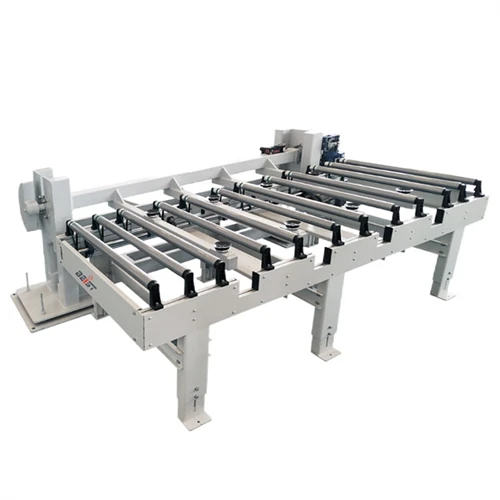
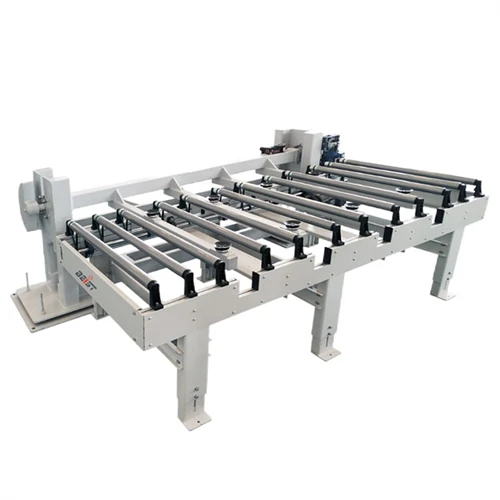
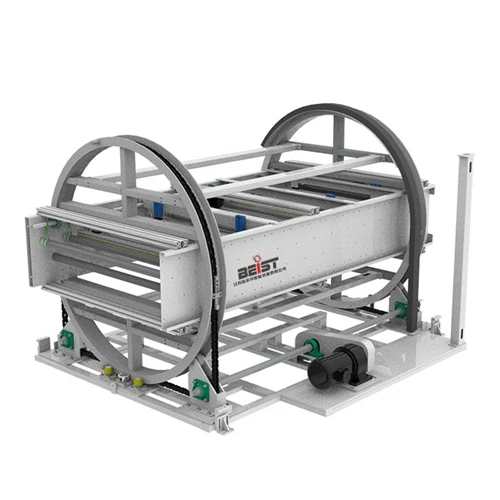
Panel Storage Machines are often used in conjunction with other equipment, such as Automatic Flip Machine, Powered Roller Conveyor - Gap, and Cross Conveyor Bi - Directional. The operating temperature range of these related equipment can also be affected by the same factors as the Panel Storage Machine.
- Automatic Flip Machine: The Automatic Flip Machine is used to flip panels during the storage and handling process. Extreme temperatures can affect the performance of its mechanical and electrical components. For example, at low temperatures, the flipping mechanism may become stiff, while at high temperatures, the electrical controls may malfunction.
- Powered Roller Conveyor - Gap: The Powered Roller Conveyor - Gap is used to transport panels between different storage locations. Temperature can affect the speed and efficiency of the conveyor. High temperatures can cause the rollers to expand, leading to increased friction and reduced conveyor speed.
- Cross Conveyor Bi - Directional: The Cross Conveyor Bi - Directional is used to transfer panels in different directions. Similar to the other equipment, extreme temperatures can impact its mechanical and electrical systems. Low temperatures may cause the conveyor belts to become brittle, while high temperatures can lead to overheating of the motors.
Ensuring Optimal Temperature Conditions
To ensure that the Panel Storage Machine and its related equipment operate within the recommended temperature range, the following measures can be taken:
- Temperature Monitoring: Install temperature sensors in the machine and its surrounding environment to continuously monitor the temperature. This can help to detect any abnormal temperature changes and take appropriate measures in a timely manner.
- Ventilation and Cooling: Ensure that the machine has adequate ventilation and cooling systems. This may include installing fans, air - conditioning units, or heat exchangers to remove heat from the machine.
- Insulation: In cold environments, insulate the machine to prevent heat loss. This can help to maintain the machine's operating temperature and reduce the energy consumption required for pre - heating.
Conclusion
In conclusion, the operating temperature range of a Panel Storage Machine is a critical factor that affects its performance, reliability, and lifespan. As a supplier, we are committed to providing our customers with machines that can operate effectively within a wide range of temperatures. By understanding the significance of the operating temperature range, the influencing factors, and the recommended temperature settings, our customers can optimize the operating conditions of their Panel Storage Machines and ensure their long - term reliability.
If you are interested in our Panel Storage Machines or have any questions about their operating temperature range or other aspects, we encourage you to contact us for a detailed discussion. Our team of experts is ready to assist you in making the right choice for your specific needs.
References
- "Industrial Machine Temperature Management" - A technical guide on managing temperature in industrial equipment.
- Manufacturer's specifications for Panel Storage Machines and related equipment.