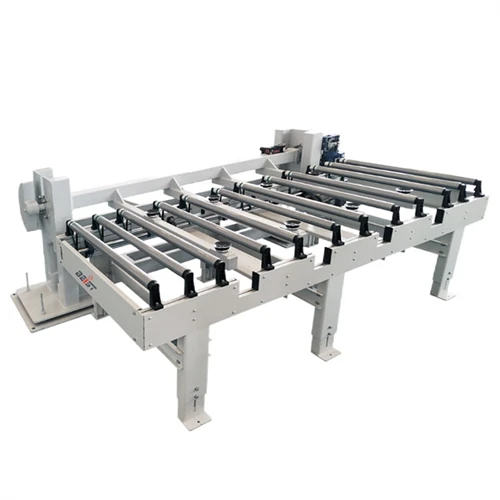
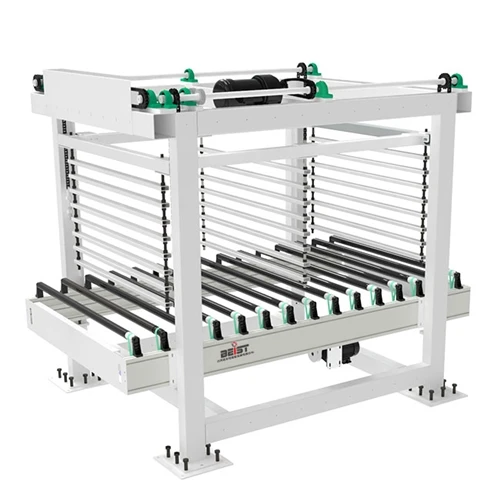
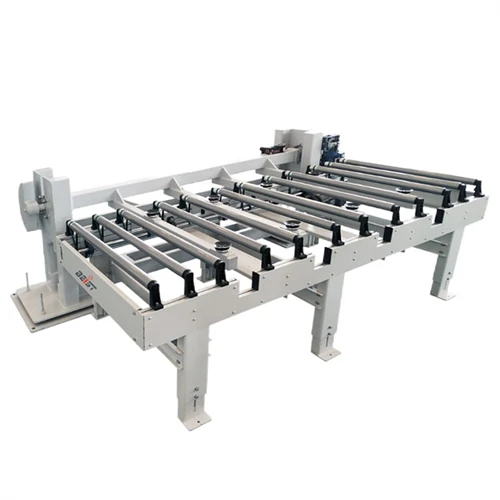
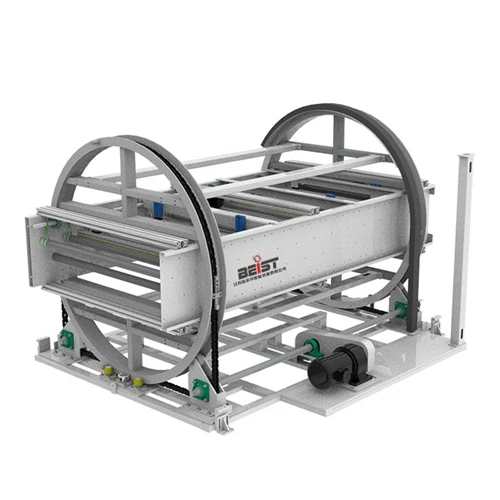
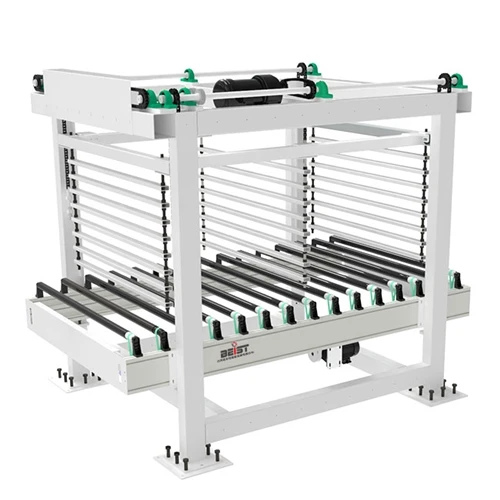
Conveyor belts are an integral part of turnover conveyors, facilitating the efficient movement of materials in various industrial applications. However, conveyor belt slippage can be a persistent issue that disrupts operations, reduces productivity, and increases maintenance costs. As a leading turnover conveyor supplier, we understand the challenges associated with belt slippage and are committed to providing effective solutions. In this blog post, we will explore the causes of conveyor belt slippage and offer practical strategies to prevent it.
Understanding the Causes of Conveyor Belt Slippage
Before we delve into prevention strategies, it is essential to understand the root causes of conveyor belt slippage. Several factors can contribute to this problem, including:
1. Insufficient Tension
One of the most common causes of belt slippage is insufficient tension. When the belt is not properly tensioned, it may not grip the drive pulley firmly, resulting in slippage. This can occur due to wear and tear, improper installation, or incorrect tension settings.
2. Contamination
Contamination on the belt or pulley surface can also cause slippage. Dust, dirt, oil, or other debris can reduce the friction between the belt and the pulley, making it easier for the belt to slip. This is particularly common in industries where the conveyor is exposed to harsh environments or where there is a high volume of material handling.
3. Worn or Damaged Components
Worn or damaged components, such as the drive pulley, idlers, or belt, can also contribute to slippage. Over time, the surface of the pulley may become smooth or damaged, reducing its grip on the belt. Similarly, a worn or damaged belt may not have the same level of friction as a new belt, leading to slippage.
4. Incorrect Belt Selection
Choosing the wrong type of belt for the application can also result in slippage. Different belts have different friction coefficients and characteristics, and selecting a belt that is not suitable for the specific requirements of the conveyor can lead to problems. For example, a belt with a low friction coefficient may not provide enough grip on the pulley, causing slippage.
Strategies to Prevent Conveyor Belt Slippage
Now that we have identified the causes of conveyor belt slippage, let's explore some practical strategies to prevent it:
1. Proper Belt Tensioning
Maintaining the correct belt tension is crucial for preventing slippage. The belt should be tensioned to the,recommended specifications provided by the manufacturer. This can be achieved using a tensioning device, such as a screw or spring tensioner, to adjust the tension of the belt. Regularly check the belt tension and make adjustments as needed to ensure optimal performance.
2. Regular Cleaning and Maintenance
Keeping the belt and pulley surfaces clean is essential for preventing contamination and maintaining proper friction. Regularly clean the conveyor system to remove dust, dirt, oil, and other debris. Use a suitable cleaning agent and follow the manufacturer's instructions to avoid damaging the belt or other components. In addition, inspect the conveyor system regularly for signs of wear or damage and replace any worn or damaged components promptly.
3. Use of Anti-Slip Coatings
Applying an anti-slip coating to the pulley surface can increase the friction between the belt and the pulley, reducing the risk of slippage. There are several types of anti-slip coatings available, including rubber, ceramic, and polyurethane. Choose a coating that is suitable for the specific application and environment.
4. Belt Tracking and Alignment
Proper belt tracking and alignment are essential for preventing slippage. The belt should be centered on the pulley and aligned correctly to ensure even distribution of the load. Use belt tracking devices, such as guide rollers or edge guides, to keep the belt in place. Regularly check the belt tracking and alignment and make adjustments as needed to prevent the belt from wandering or slipping.


5. Correct Belt Selection
Choosing the right type of belt for the application is crucial for preventing slippage. Consider factors such as the type of material being conveyed, the operating environment, the speed of the conveyor, and the required tension. Consult with a conveyor belt specialist to select the most suitable belt for your specific requirements.
6. Upgrade to High-Friction Components
In some cases, upgrading to high-friction components, such as a high-friction drive pulley or a belt with a higher friction coefficient, may be necessary to prevent slippage. These components can provide increased grip and reduce the risk of slippage, especially in applications where the conveyor is operating under challenging conditions.
The Role of Technology in Preventing Conveyor Belt Slippage
Advancements in technology have also played a significant role in preventing conveyor belt slippage. For example, some modern conveyor systems are equipped with sensors and monitoring devices that can detect belt slippage in real-time and automatically adjust the tension or speed of the conveyor to prevent it. These systems can also provide alerts to operators when a problem is detected, allowing for prompt action to be taken.
In addition, some manufacturers offer conveyor belts with advanced features, such as anti-static properties or self-cleaning capabilities, which can help to prevent contamination and reduce the risk of slippage. These belts are designed to perform in harsh environments and can provide long-lasting performance and reliability.
Conclusion
Conveyor belt slippage can be a significant problem in turnover conveyors, but it can be prevented by implementing the right strategies. By understanding the causes of slippage and taking proactive measures to address them, such as proper belt tensioning, regular cleaning and maintenance, use of anti-slip coatings, belt tracking and alignment, correct belt selection, and upgrading to high-friction components, you can ensure the reliable and efficient operation of your conveyor system.
As a turnover conveyor supplier, we are committed to providing our customers with high-quality conveyor systems and solutions that are designed to prevent belt slippage and other common problems. If you are experiencing issues with conveyor belt slippage or need help selecting the right conveyor system for your application, please [contact us for procurement discussions]. We have a team of experts who can provide you with the guidance and support you need to make the right decision.
References
- Conveyor Belt Handbook, Manufacturer XYZ
- Industrial Conveyor Systems: Design, Operation, and Maintenance, Author ABC
- Best Practices for Conveyor Belt Maintenance, Industry Association DEF