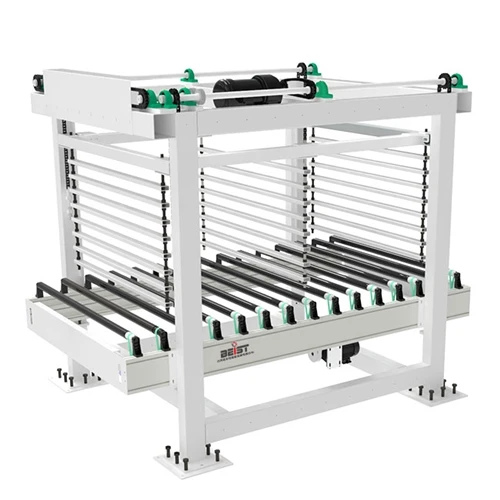
As a supplier of E Shape Lift Tables, understanding the load distribution on these tables is crucial for ensuring their safe and efficient operation. In this blog post, I'll delve into the concept of load distribution on an E Shape Lift Table, explaining its importance, factors affecting it, and how it impacts the performance of the equipment.
Understanding Load Distribution
Load distribution refers to how the weight of a load is spread across the surface of the lift table. On an E Shape Lift Table, this is particularly important because of its unique design. The "E" shape provides a stable base with multiple contact points, which helps in distributing the load more evenly compared to some other designs.
When a load is placed on the lift table, it exerts a downward force. The way this force is distributed across the table's surface determines how the table will respond. If the load is concentrated in one area, it can cause uneven stress on the table's structure, leading to premature wear and tear, and potentially even structural failure. On the other hand, a well - distributed load ensures that the table can lift and lower the load safely and smoothly.
Importance of Proper Load Distribution
Proper load distribution is essential for several reasons. Firstly, it enhances the safety of the operation. An unevenly loaded lift table is more likely to tip over or malfunction, which can pose a serious risk to operators and nearby personnel. By ensuring that the load is evenly distributed, we minimize the chances of such accidents occurring.
Secondly, it improves the longevity of the lift table. When the load is evenly spread, the stress on the table's components, such as the hydraulic cylinders, frame, and joints, is reduced. This means that these parts are less likely to experience excessive wear and tear, resulting in a longer service life for the lift table.
Thirdly, proper load distribution can improve the efficiency of the lifting process. An evenly loaded table can lift and lower the load more smoothly, reducing the time and energy required for each operation. This can lead to increased productivity in a manufacturing or warehousing environment.
Factors Affecting Load Distribution
Several factors can affect the load distribution on an E Shape Lift Table. The shape and size of the load are among the most important. Irregularly shaped loads are more difficult to distribute evenly compared to rectangular or square loads. For example, a load with a large overhang on one side will cause the weight to be concentrated in that area, leading to uneven stress on the table.
The position of the load on the table also plays a significant role. Placing the load off - center can cause an imbalance, especially if the center of gravity of the load is not aligned with the center of the table. It's important to ensure that the load is centered as much as possible to achieve an even distribution.
The type of load can also impact load distribution. For example, a liquid - filled container may shift during the lifting process, causing the load distribution to change. Similarly, a load that is not secured properly may move around, leading to uneven stress on the table.
How to Ensure Proper Load Distribution
As a supplier, we provide our customers with guidelines on how to ensure proper load distribution on our E Shape Lift Tables. Firstly, we recommend that customers assess the shape and size of the load before placing it on the table. If the load is irregularly shaped, they may need to use additional supports or padding to help distribute the weight more evenly.
Secondly, we emphasize the importance of centering the load on the table. Our lift tables are often equipped with markings or guides to help operators position the load correctly. By aligning the load with these markings, they can ensure that the center of gravity of the load is in the right place.

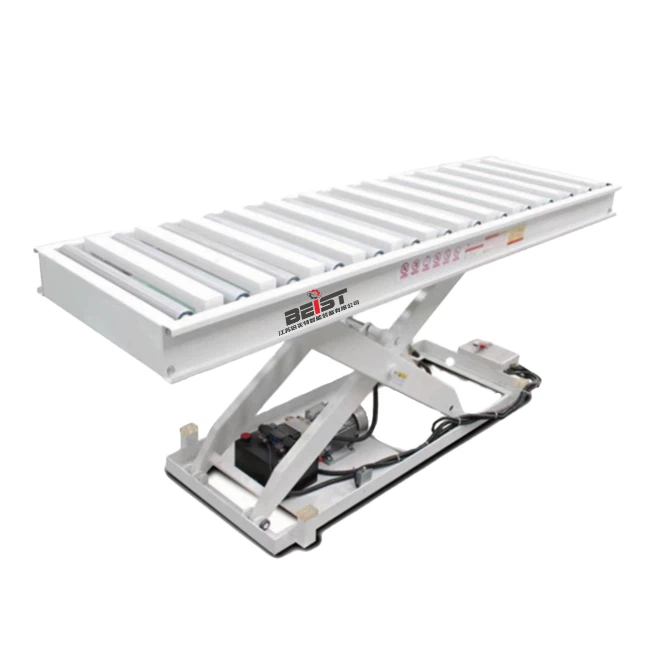
Thirdly, we encourage customers to secure the load properly. This can be done using straps, clamps, or other fastening devices. Securing the load not only prevents it from moving during the lifting process but also helps to distribute the weight more evenly.
Impact of Load Distribution on Different Types of E Shape Lift Tables
There are different types of E Shape Lift Tables available, each with its own specific features and applications. The load distribution requirements can vary depending on the type of table.
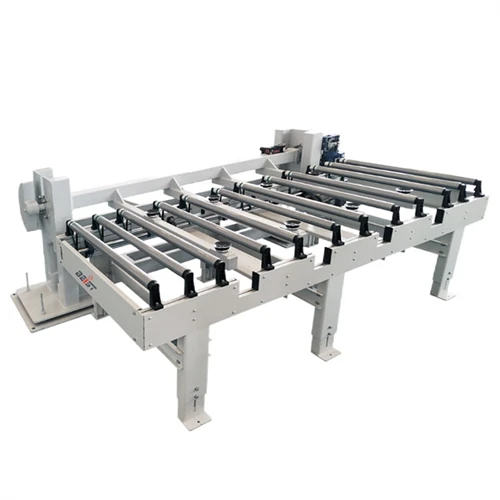
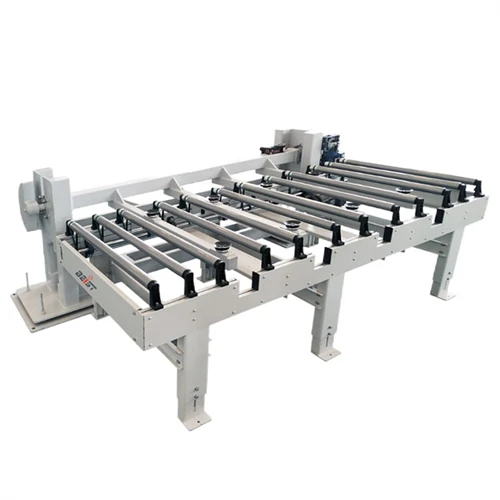
For example, a Conveyor Lifting Table with Forklift is designed to work in conjunction with a forklift. The load is typically placed on the conveyor part of the table, and then the table is lifted to the desired height. In this case, proper load distribution is crucial to ensure that the table can support the weight of the load and the forklift without tipping over.
A Lift Table with Conveyor Top is used to transfer loads between different levels. The conveyor on the top of the table allows for easy movement of the load. However, the load must be evenly distributed to ensure that the conveyor operates smoothly and that the table can lift and lower the load safely.
A Powered Roller Conveyor Lift Table uses powered rollers to move the load. The load distribution on this type of table is important to ensure that the rollers can move the load without getting stuck or damaged. Uneven load distribution can cause excessive stress on the rollers, leading to premature failure.
Conclusion
In conclusion, understanding and ensuring proper load distribution on an E Shape Lift Table is of utmost importance. It affects the safety, longevity, and efficiency of the lift table. As a supplier, we are committed to providing our customers with high - quality E Shape Lift Tables and the knowledge they need to use them safely and effectively.
If you are in the market for an E Shape Lift Table or have any questions about load distribution, we invite you to contact us for more information. Our team of experts is ready to assist you in choosing the right lift table for your specific needs and to provide you with guidance on how to ensure proper load distribution. We look forward to the opportunity to work with you and help you optimize your lifting operations.
References
- "Lift Table Design and Safety Standards" - Industry publication on lift table engineering.
- "Load Distribution Principles in Material Handling Equipment" - Academic research on load distribution in industrial equipment.