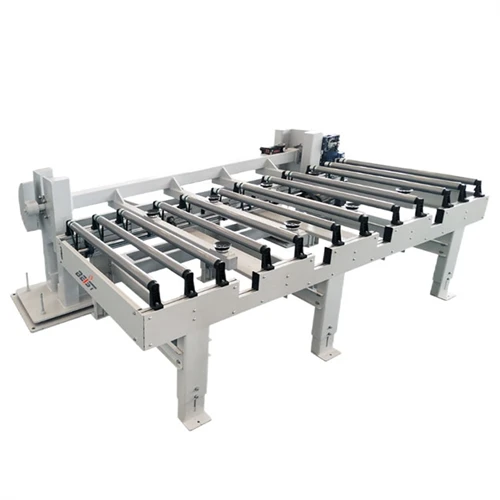
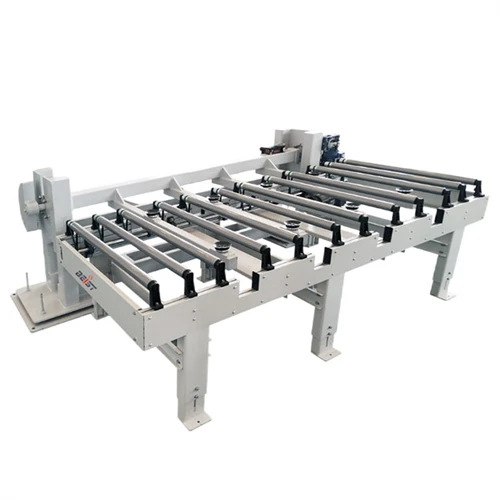
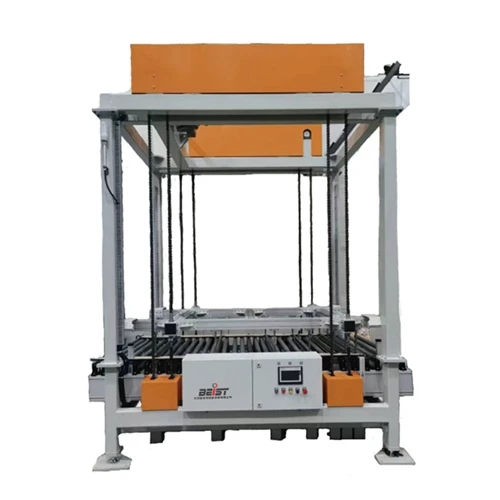
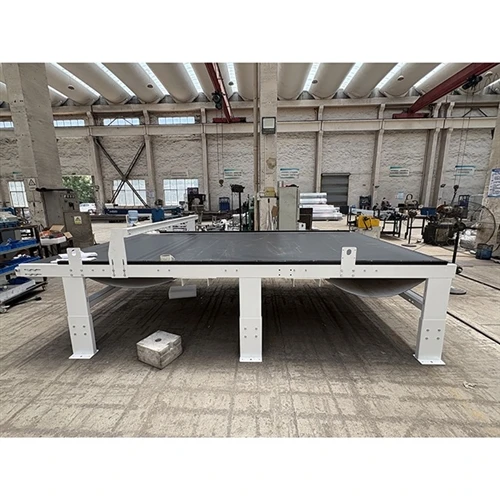
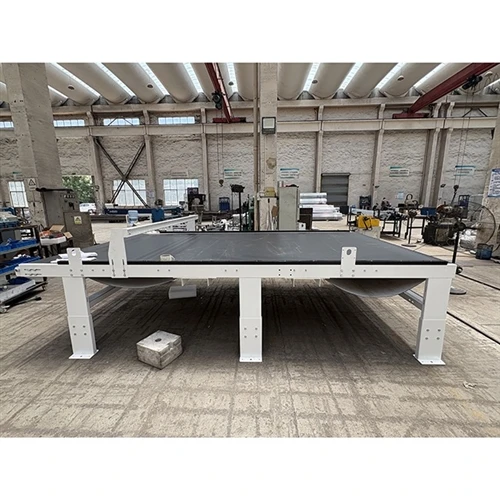
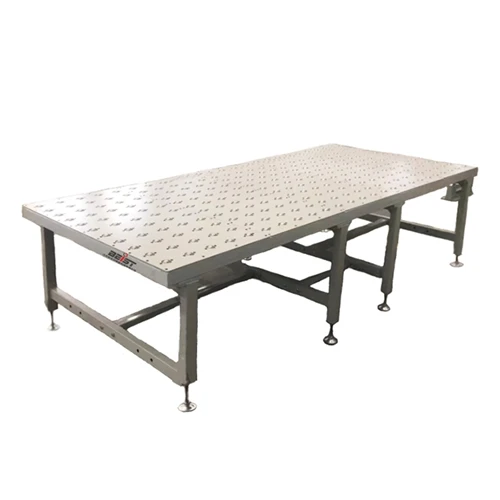
The lifespan of a turnover conveyor is a critical consideration for businesses in various industries. As a leading turnover conveyor supplier, I've had the privilege of working with numerous clients to understand their needs and provide solutions that stand the test of time. In this blog post, I'll explore the factors that influence the lifespan of a turnover conveyor, share some insights on how to extend its service life, and introduce some of our related products.
Factors Affecting the Lifespan of a Turnover Conveyor
1. Quality of Materials
The quality of materials used in the construction of a turnover conveyor is fundamental. High-grade steel and durable polymers can withstand the wear and tear of continuous operation. For instance, if a conveyor is made from low - quality steel, it may rust more quickly in humid environments, leading to structural weaknesses. At our company, we use premium materials in all our turnover conveyors, ensuring that they are built to last.
2. Operating Conditions
The environment in which the turnover conveyor operates plays a significant role in its lifespan. Conveyors used in harsh industrial settings, such as mines or chemical plants, are exposed to more extreme conditions. Dust, chemicals, and high temperatures can all accelerate the degradation of components. In contrast, conveyors in clean, climate - controlled warehouses may have a much longer lifespan.
3. Maintenance and Care
Regular maintenance is essential for extending the lifespan of a turnover conveyor. This includes tasks such as lubricating moving parts, checking for loose bolts, and inspecting the conveyor belt for signs of wear. A well - maintained conveyor can operate efficiently for many years, while a neglected one may break down prematurely.
4. Frequency of Use
The more frequently a turnover conveyor is used, the more quickly its components will wear out. Conveyors that run continuously, 24 hours a day, 7 days a week, will experience more stress than those used only occasionally. However, with proper design and maintenance, even high - usage conveyors can have a reasonable lifespan.
Average Lifespan of a Turnover Conveyor
On average, a well - maintained turnover conveyor can last between 10 to 20 years. This estimate can vary widely depending on the factors mentioned above. For example, a conveyor in a light - usage, clean environment may last closer to the 20 - year mark, while one in a heavy - duty industrial setting may have a lifespan of around 10 years.
Extending the Lifespan of a Turnover Conveyor
1. Regular Inspections
Conducting regular inspections is the first step in extending the lifespan of a turnover conveyor. This allows you to identify potential issues early and address them before they become major problems. Inspect the conveyor belt, rollers, motors, and other components for signs of wear, damage, or misalignment.
2. Proper Lubrication
Lubricating moving parts is crucial to reduce friction and prevent premature wear. Use the appropriate lubricants recommended by the manufacturer and follow the recommended lubrication schedule.
3. Training for Operators
Proper training for operators can also contribute to the longevity of the conveyor. Operators should be aware of the correct operating procedures, including loading limits and speed settings. Incorrect operation can put unnecessary stress on the conveyor and lead to faster wear.
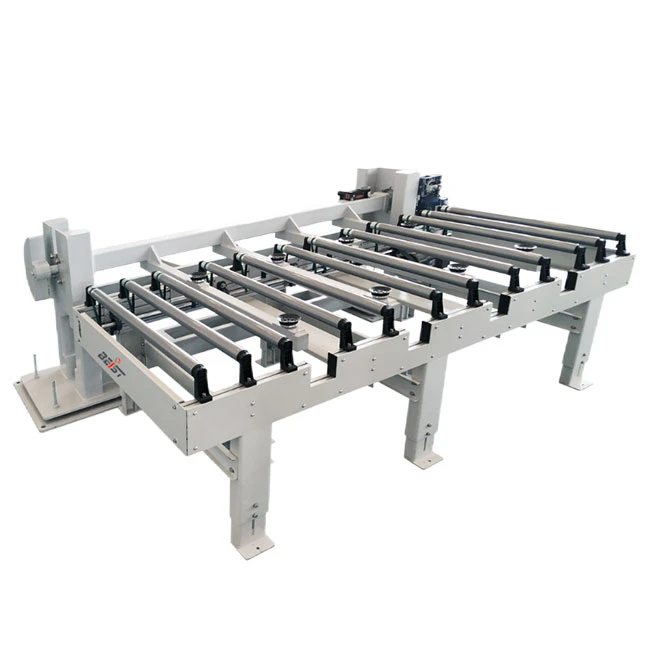
Related Products
We offer a range of related products that can complement our turnover conveyors and enhance your material handling system.
The RGV Single Row Power Tour Car is a versatile solution for transporting goods within a large facility. It can be integrated with the turnover conveyor to improve the efficiency of material flow.
The Powered Roller Conveyor - Lean is a cost - effective option for light - to - medium - duty applications. It provides smooth and reliable transportation of goods.
The Automatic Flip Machine is designed to flip products during the conveying process, which can be useful in various manufacturing and packaging operations.
The Chain Driven Live Roller Conveyor is suitable for heavy - duty applications, offering high - load capacity and durability.
The Heavy Duty Powered Roller Conveyor is built to handle large and heavy items, making it an ideal choice for industries such as automotive and logistics.
Conclusion
In conclusion, the lifespan of a turnover conveyor depends on multiple factors, including the quality of materials, operating conditions, maintenance, and frequency of use. By understanding these factors and taking appropriate measures to extend its service life, you can ensure that your conveyor serves your business effectively for many years.
If you are in the market for a high - quality turnover conveyor or any of our related products, we would love to discuss your requirements. Whether you need a solution for a small - scale operation or a large - scale industrial facility, our team of experts can help you find the right conveyor system. Contact us to start a conversation about your material handling needs and let us provide you with a customized solution.