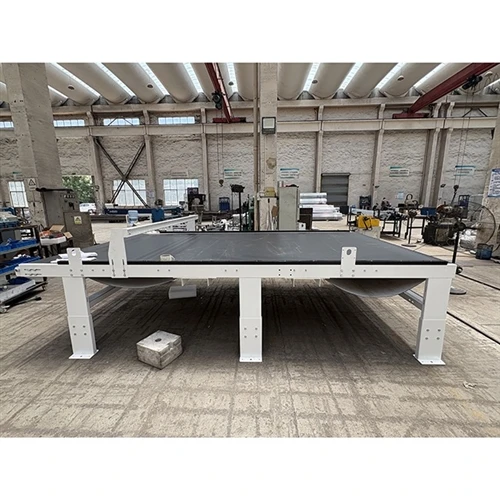
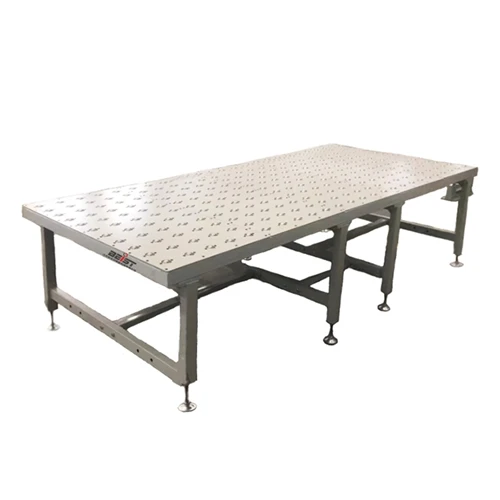
Hey there! As a supplier of Carbon Steel Belt Conveyors, I often get asked about how to adjust the speed of these conveyors. It's a crucial aspect, especially when it comes to optimizing the efficiency of your production line. So, in this blog, I'm going to share some practical tips on adjusting the speed of a carbon steel belt conveyor.
Understanding the Basics
First things first, let's understand what affects the speed of a carbon steel belt conveyor. The speed mainly depends on the power source, the drive system, and the load on the conveyor. The power source provides the energy to move the belt, while the drive system controls how that energy is transferred to the belt. And of course, the heavier the load, the more power is needed to maintain a certain speed.
Methods of Speed Adjustment
1. Using a Variable Frequency Drive (VFD)
One of the most common and effective ways to adjust the speed of a carbon steel belt conveyor is by using a Variable Frequency Drive. A VFD works by changing the frequency of the electrical power supplied to the conveyor motor. By adjusting the frequency, you can control the speed of the motor, which in turn controls the speed of the conveyor belt.
The advantage of using a VFD is that it offers precise speed control. You can easily increase or decrease the speed according to your production needs. It also helps in saving energy because the motor only consumes the power required to maintain the set speed. For example, if you have a light load on the conveyor, you can reduce the speed and save electricity.
2. Changing the Pulley Size
Another way to adjust the speed is by changing the size of the pulleys. The speed of the conveyor belt is directly related to the diameter of the drive pulley. If you increase the diameter of the drive pulley, the belt will move faster, and if you decrease it, the belt will move slower.
However, changing the pulley size is not always a practical solution. It requires some mechanical work and may not be suitable for all conveyor systems. You also need to make sure that the new pulley size is compatible with the rest of the conveyor components.
3. Adjusting the Motor Speed Directly
Some conveyor motors allow you to adjust the speed directly. This can usually be done through a control panel or a speed controller. By changing the settings on the controller, you can increase or decrease the motor speed.
But be careful when doing this. You need to make sure that the motor can handle the new speed without overheating or causing other problems. It's also a good idea to consult the motor manufacturer's guidelines before making any adjustments.
Factors to Consider When Adjusting the Speed
1. Load Capacity
As I mentioned earlier, the load on the conveyor affects the speed. If you have a heavy load, you may need to reduce the speed to prevent the motor from overloading. On the other hand, if the load is light, you can increase the speed to improve productivity.
For example, if you're using the conveyor to transport large and heavy items, such as industrial machinery parts, you should keep the speed relatively low. But if you're moving small and lightweight products, like electronic components, you can increase the speed.
2. Product Handling
The type of product being transported also matters. Some products may be sensitive to high speeds and may get damaged if the conveyor moves too fast. For instance, fragile items like glassware or delicate electronic devices need to be handled at a slower speed.
It's important to understand the characteristics of the products you're transporting and adjust the speed accordingly. This will help ensure that the products reach their destination in good condition.
3. Conveyor Length
The length of the conveyor can also influence the speed adjustment. Longer conveyors may require a lower speed to maintain stability and prevent the belt from sagging. Shorter conveyors, on the other hand, can usually handle higher speeds.
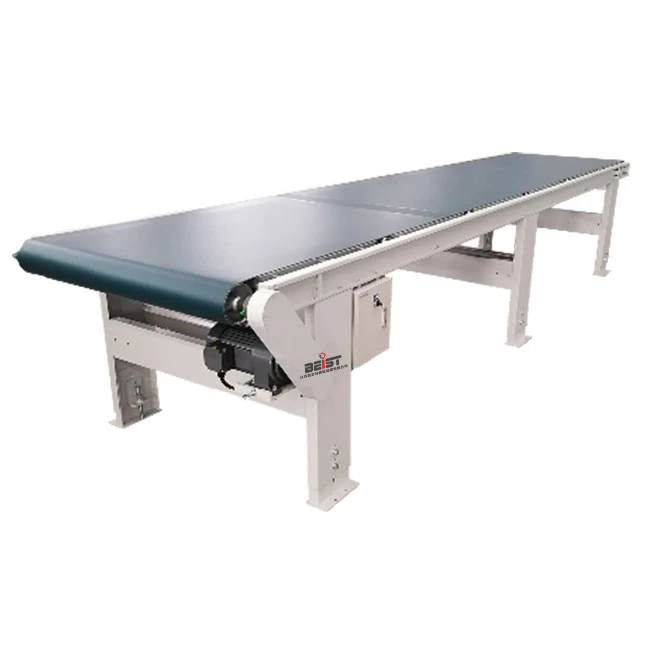
Real - World Applications
Let's say you're running a food processing plant. You're using a carbon steel belt conveyor to transport food products from one processing station to another. During the peak production hours, you may need to increase the speed of the conveyor to keep up with the demand. However, when you're handling a new type of delicate food item, you'll need to slow down the conveyor to avoid damaging the product.
In a manufacturing facility, you might be using a conveyor to move semi - finished products along the assembly line. If a particular production step takes longer than usual, you can reduce the speed of the conveyor to give the workers more time to complete the task.
Related Conveyor Systems
If you're looking for other types of conveyors, we also offer a range of options. Check out our Chain Driven Live Roller Conveyor, which is great for heavy - duty applications. The 90 Degree Cone - roller Type Turning Machine is useful for changing the direction of the product flow. And for those who need a robust solution, our Heavy Duty Powered Roller Conveyor is a top choice. We also have Powered Roller Conveyor - Lean and Powered Roller Conveyor - Gap for different production requirements.
Conclusion
Adjusting the speed of a carbon steel belt conveyor is an important part of optimizing your production process. By using methods like Variable Frequency Drives, changing pulley sizes, or adjusting the motor speed directly, you can achieve the desired speed. But always remember to consider factors like load capacity, product handling, and conveyor length.
If you're interested in purchasing a carbon steel belt conveyor or need more information on speed adjustment, feel free to contact us. We're here to help you find the best solution for your production needs. Whether it's optimizing speed or selecting the right conveyor type, our team of experts has the knowledge and experience to assist you.