Hey there! As a supplier of hydraulic lift tables, I've seen firsthand how crucial it is to keep these machines in top - notch condition. One of the most important parts of a hydraulic lift table is its hydraulic system. In this blog, I'll share some tips on how to check the hydraulic system of a hydraulic lift table.
1. Visual Inspection
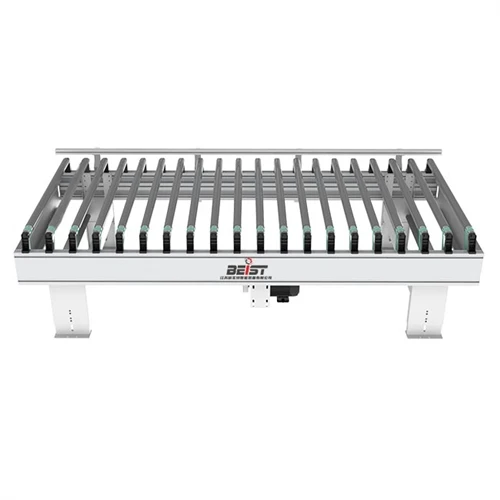
The first step in checking the hydraulic system is to do a thorough visual inspection. Start by looking at the hydraulic hoses. Check for any signs of wear, such as cracks, cuts, or bulges. These issues can lead to hydraulic fluid leaks, which not only waste fluid but can also cause the lift table to malfunction. If you spot any damaged hoses, replace them immediately. You can find a wide range of hydraulic lift tables on our website, including E Shape Lift Table, and proper hose maintenance is essential for all of them.
Next, examine the hydraulic cylinders. Look for any signs of leakage around the seals. A small amount of oil on the cylinder can be normal due to the piston's movement, but if you see large puddles or a constant drip, it's a sign that the seals need to be replaced. Also, check the cylinder rods for any signs of damage, like scratches or dents. Damaged rods can affect the smooth operation of the lift table.
Inspect the hydraulic reservoir for any signs of contamination. The reservoir should be clean and free of debris. If you notice dirt, metal shavings, or other contaminants in the fluid, it's a sign that the filter may be clogged or that there's a problem within the system.
2. Fluid Level and Quality
Checking the hydraulic fluid level is a must. Most hydraulic lift tables have a sight glass on the reservoir that allows you to easily see the fluid level. The fluid level should be within the recommended range. If it's too low, it can cause the pump to draw in air, which can lead to cavitation and damage the pump. On the other hand, if the fluid level is too high, it can cause the fluid to overflow when the system is in operation.
The quality of the hydraulic fluid is just as important. Over time, hydraulic fluid can break down, lose its viscosity, and become contaminated. You can use a fluid analysis kit to check the fluid's properties. If the fluid is cloudy, has a strange odor, or contains particles, it's time to change it. Regular fluid changes are essential to keep the hydraulic system running smoothly. For example, our Lifting Table with Forklift requires high - quality hydraulic fluid for optimal performance.
3. Pressure Testing
Pressure testing is a key step in checking the hydraulic system. You'll need a pressure gauge to measure the pressure in the system. First, make sure the lift table is in a safe and stable position. Then, connect the pressure gauge to the appropriate test port on the hydraulic system.
Start the lift table and operate it through its normal range of motion. Monitor the pressure gauge readings during different stages of operation. Compare the readings to the manufacturer's specifications. If the pressure is too high or too low, it could indicate a problem with the pump, relief valve, or other components. For instance, if the pressure is consistently too high, it could be due to a blocked relief valve, which can lead to excessive stress on the system and potential damage.
4. Pump and Motor Check
The pump is the heart of the hydraulic system, so it's important to check its operation. Listen for any unusual noises coming from the pump. A loud, whining noise could indicate that the pump is cavitating, which is usually caused by a low fluid level or a clogged suction filter. If you hear knocking or rattling sounds, it could be a sign of internal damage to the pump.
Check the pump's motor as well. Make sure the motor is running smoothly and that there are no signs of overheating. You can use an infrared thermometer to measure the motor's temperature. If the motor is overheating, it could be due to a problem with the electrical supply, a faulty motor winding, or excessive load on the system. Our Electric Hydraulic Lift Table relies on a well - functioning pump and motor for its operation.

5. Valve Inspection
The hydraulic valves play a crucial role in controlling the flow and pressure of the hydraulic fluid. Check the solenoid valves for proper operation. You can do this by energizing the valves and listening for a clicking sound, which indicates that the valve is opening and closing correctly. If you don't hear the clicking sound or if the valve doesn't seem to be functioning properly, it may need to be repaired or replaced.
Inspect the relief valves to ensure they are set to the correct pressure. A relief valve that is set too low can cause the system to operate at a lower pressure than required, while a valve set too high can put excessive stress on the system. You may need to use a pressure gauge to adjust the relief valves to the manufacturer's specifications.
6. Operation and Function Test
Finally, put the lift table through a full operation and function test. Raise and lower the lift table several times, making sure it moves smoothly and evenly. Check for any jerky movements, slow operation, or unusual vibrations. If the lift table doesn't operate as it should, it could be a sign of a problem with the hydraulic system or other components.
For example, our Conveyor Top Hydraulic Lift Table and Heavy Duty Hydraulic Lift Table For Woodworking should operate smoothly during normal use. Any deviation from normal operation should be investigated further.
Conclusion
Regularly checking the hydraulic system of a hydraulic lift table is essential for its safe and efficient operation. By following these steps, you can catch potential problems early and prevent costly breakdowns. If you're in the market for a high - quality hydraulic lift table or need more information on maintenance, don't hesitate to reach out. We're here to help you make the best choice for your business and ensure that your lift table performs at its best.