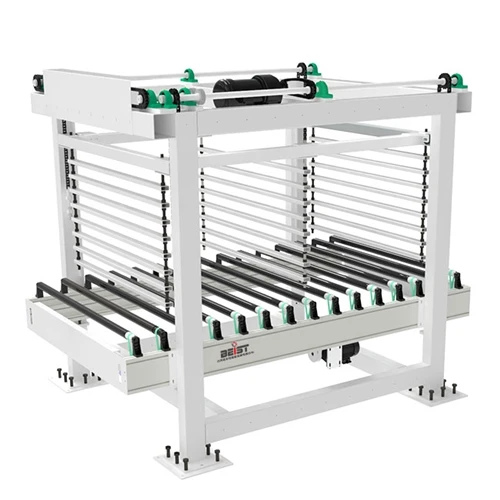
In hazardous environments, ensuring the safety of equipment is of utmost importance. As a supplier of Air Flotation Table Conveyors, I understand the critical role these conveyors play in various industries, especially in areas where explosive hazards are present. In this blog, I will delve into the explosion - proof requirements that an Air Flotation Table Conveyor should meet in a hazardous environment.
Understanding Hazardous Environments
Hazardous environments are classified based on the presence of flammable substances such as gases, vapors, dusts, or fibers. These substances can form explosive mixtures when mixed with air under certain conditions. The classification of hazardous areas is typically done according to international standards such as IEC 60079 and NEC (National Electrical Code) in the United States.
There are different zones for gas - filled hazardous areas and dust - filled hazardous areas. For gas - filled areas, Zone 0 represents an area where an explosive gas atmosphere is present continuously or for long periods; Zone 1 is an area where an explosive gas atmosphere is likely to occur in normal operation; and Zone 2 is an area where an explosive gas atmosphere is not likely to occur in normal operation and, if it occurs, will exist only for a short time.
In dust - filled areas, Zone 20 is an area where an explosive dust atmosphere is present continuously or for long periods; Zone 21 is an area where an explosive dust atmosphere is likely to occur in normal operation; and Zone 22 is an area where an explosive dust atmosphere is not likely to occur in normal operation and, if it occurs, will exist only for a short time.
General Explosion - Proof Design Principles
Electrical Components
One of the most critical aspects of explosion - proof design for an Air Flotation Table Conveyor is the electrical components. All electrical equipment used in the conveyor, such as motors, sensors, and control panels, must be designed to prevent the ignition of the explosive atmosphere.
For motors, explosion - proof motors are required. These motors are designed to contain any explosion that may occur inside the motor casing and prevent the spread of flames or hot gases to the surrounding explosive atmosphere. They are typically constructed with robust enclosures that can withstand the pressure of an internal explosion.
Sensors used in the conveyor, such as proximity sensors or photoelectric sensors, also need to be explosion - proof. They should be designed to operate safely in the presence of explosive substances without generating sparks or excessive heat that could ignite the atmosphere.
Control panels are another important part. They should be housed in explosion - proof enclosures. These enclosures are designed to prevent the entry of explosive gases or dusts and to contain any internal explosion. The wiring inside the control panel should be properly installed and protected to avoid short - circuits or other electrical faults that could lead to ignition.
Non - Electrical Components
Non - electrical components of the Air Flotation Table Conveyor also need to meet certain explosion - proof requirements. For example, the conveyor structure should be made of materials that do not generate static electricity easily. Static electricity can build up on the surface of the conveyor and create sparks, which can ignite the explosive atmosphere.
Materials such as stainless steel or special anti - static plastics can be used for the conveyor structure. Additionally, any moving parts of the conveyor, such as bearings and belts, should be designed to minimize friction. Excessive friction can generate heat, which could potentially ignite the explosive substances in the environment.
Specific Requirements for Different Hazardous Zones
Zone 0 and Zone 20
In Zone 0 and Zone 20, where explosive atmospheres are present continuously or for long periods, the Air Flotation Table Conveyor must meet the highest level of explosion - proof requirements. All electrical components should be of the intrinsically safe type. Intrinsically safe equipment is designed in such a way that it cannot generate enough energy to ignite the explosive atmosphere, even under fault conditions.


The conveyor should also be designed to prevent the accumulation of explosive substances. For example, if the conveyor is used in a dust - filled environment, it should have a smooth surface to prevent dust from sticking to it. Regular cleaning and maintenance procedures should be established to ensure that no dust accumulates on the conveyor.
Zone 1 and Zone 21
In Zone 1 and Zone 21, where explosive atmospheres are likely to occur in normal operation, the conveyor should use explosion - proof electrical equipment. In addition to the explosion - proof motors, sensors, and control panels mentioned earlier, the conveyor should also have proper grounding. Grounding helps to prevent the build - up of static electricity and ensures that any electrical faults are safely discharged to the ground.
The conveyor should also be designed to minimize the release of flammable substances. For example, if the conveyor is used to transport flammable liquids or gases, it should have leak - proof seals and joints to prevent the leakage of these substances.
Zone 2 and Zone 22
In Zone 2 and Zone 22, where explosive atmospheres are not likely to occur in normal operation and, if they occur, will exist only for a short time, the explosion - proof requirements are relatively less strict. However, the conveyor still needs to use electrical equipment that is suitable for the hazardous environment. For example, the motors and sensors should be of a type that can operate safely in the presence of explosive substances.
The conveyor should also be designed to withstand the occasional presence of an explosive atmosphere. It should be able to continue operating safely without causing an explosion or other safety hazards.
Comparison with Other Conveyor Types
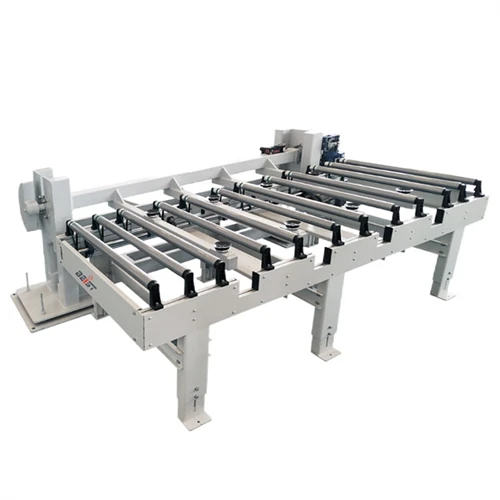
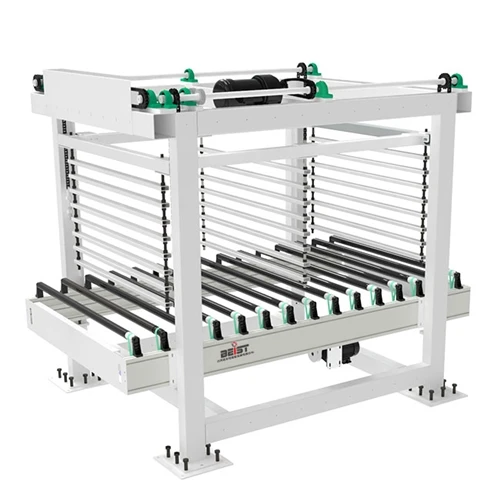
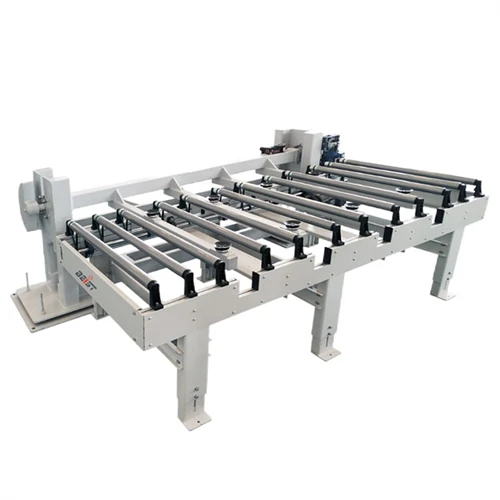
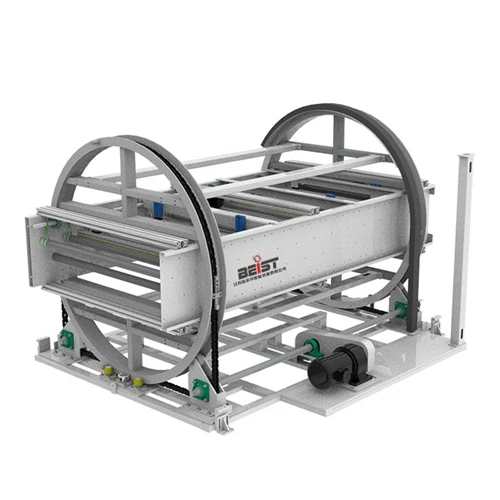
When considering explosion - proof requirements, it is also interesting to compare the Air Flotation Table Conveyor with other types of conveyors, such as the Ball Transfer Table Conveyor, Transfer Cart with Turntable, and Gravity Skate Wheel Conveyor.
The Air Flotation Table Conveyor has some advantages in hazardous environments. Its air - flotation technology reduces friction, which in turn reduces the generation of heat. This is beneficial in preventing the ignition of explosive substances. In contrast, some roller - based conveyors, like the Ball Transfer Table Conveyor, may generate more friction due to the contact between the rollers and the conveyed items.
The Transfer Cart with Turntable may have more complex mechanical and electrical systems, which require more careful explosion - proof design. The Gravity Skate Wheel Conveyor, on the other hand, relies on gravity for movement, but it still needs to ensure that its components, such as the skate wheels and the frame, are made of explosion - proof materials and designed to prevent the build - up of static electricity.
Importance of Compliance
Complying with explosion - proof requirements is not only a matter of safety but also a legal requirement in many countries. Failure to meet these requirements can result in serious accidents, including explosions and fires, which can cause significant damage to property and endanger the lives of workers.
In addition, compliance with explosion - proof standards can enhance the reputation of the company. Customers are more likely to trust a supplier who provides safe and reliable equipment. It also helps to avoid potential legal liabilities and fines that may be imposed for non - compliance.
Conclusion
As a supplier of Air Flotation Table Conveyors, I am committed to providing conveyors that meet the highest explosion - proof requirements in hazardous environments. By understanding the different hazardous zones and the specific explosion - proof design principles, we can ensure that our conveyors are safe and reliable for our customers.
If you are in need of an Air Flotation Table Conveyor for a hazardous environment, or if you have any questions about explosion - proof requirements, please feel free to contact us for further discussion and procurement. We are here to provide you with the best solutions tailored to your specific needs.
References
- IEC 60079 series of standards on explosive atmospheres.
- National Electrical Code (NEC) in the United States.
- Various industry reports and research on conveyor safety in hazardous environments.