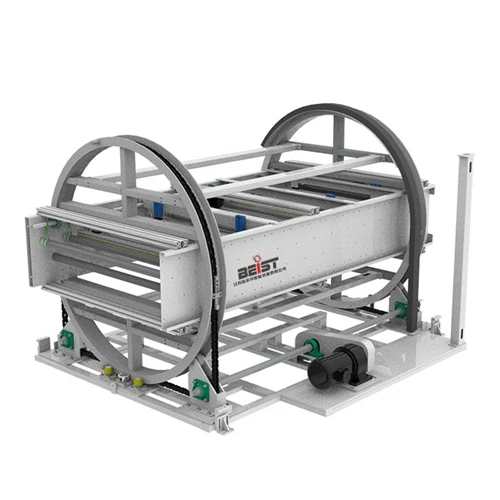
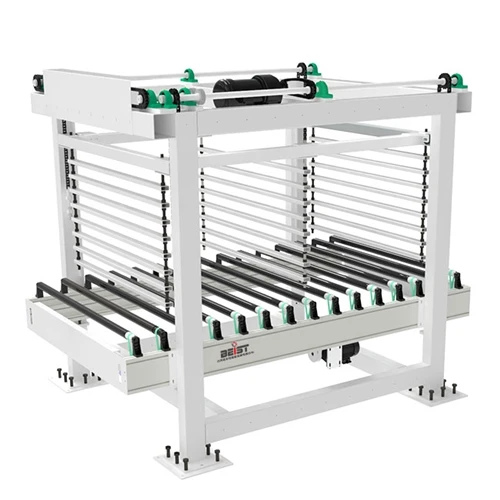
Hey there! As a supplier of Turnover Conveyors, I often get asked about the emergency stop mechanisms of these machines. It's a crucial topic, especially when it comes to ensuring the safety of both the equipment and the people working around it. So, let's dive right in and explore what these emergency stop mechanisms are all about.
Why Emergency Stop Mechanisms Matter
First off, why do we even need emergency stop mechanisms on a turnover conveyor? Well, like any industrial equipment, turnover conveyors can encounter unexpected issues. There could be a jam in the conveyor belt, a mechanical failure, or an operator error that might put the entire operation at risk. In such situations, having a reliable emergency stop mechanism can prevent serious accidents, damage to the equipment, and even save lives.
Types of Emergency Stop Mechanisms
Pull - Cord Emergency Stops
One of the most common emergency stop mechanisms for turnover conveyors is the pull - cord system. These are long cords that are installed along the length of the conveyor. If an operator notices a problem anywhere along the conveyor, they can simply pull the cord. When the cord is pulled, it activates a switch that immediately stops the conveyor. This is great because it allows for quick action from any point along the conveyor's path.
The beauty of pull - cord emergency stops is their simplicity and wide - reach. Operators don't have to run to a specific control panel to stop the conveyor; they can act right where they are. It's like having an emergency brake that you can access from multiple locations.
Push - Button Emergency Stops
Push - button emergency stops are also very popular. These are usually located at strategic points around the conveyor, such as near the control panel, at operator stations, or at the entrance and exit of the conveyor area. When an operator presses the button, it sends a signal to the conveyor's control system to halt the operation.
Push - button stops are easy to use and are often clearly marked with a large, red button. They are a reliable option, especially in areas where operators are likely to be standing close by. For example, if an operator is loading or unloading items from the Turnover Conveyor, they can quickly reach for the push - button if they see something wrong.
Safety Mats
Safety mats are another type of emergency stop mechanism. These are placed on the floor in areas where operators are likely to walk around the conveyor. If an operator steps on the mat unexpectedly, perhaps due to a fall or a sudden movement, the mat senses the pressure and sends a signal to stop the conveyor.
Safety mats are a great addition to the overall safety system because they provide an extra layer of protection. They can detect when someone is in an unsafe position near the conveyor and stop the machine before an accident occurs.
Proximity Sensors
Proximity sensors can also be used as emergency stop mechanisms. These sensors are installed around the conveyor and can detect the presence of objects or people in a certain area. If an object or a person gets too close to the conveyor in an unexpected way, the sensor sends a signal to stop the conveyor.
For example, if a tool accidentally falls into the path of the conveyor, the proximity sensor can detect it and stop the conveyor before the tool causes damage or gets caught in the machinery.
How These Mechanisms Work Together
In a well - designed turnover conveyor system, these emergency stop mechanisms work together to provide comprehensive safety. For instance, the pull - cord system can be used for quick, long - range stops, while the push - button stops are there for immediate action at specific locations. Safety mats and proximity sensors add an extra level of protection by detecting unexpected movements or objects in the vicinity of the conveyor.
Imagine a scenario where an operator notices a problem at one end of a long turnover conveyor. They can quickly pull the cord to stop the conveyor. At the same time, if another operator is closer to a push - button stop, they can also press it as an additional measure. And if a person accidentally steps on a safety mat or an object triggers a proximity sensor, the conveyor will stop as well.
Maintenance of Emergency Stop Mechanisms
Just having these emergency stop mechanisms isn't enough; they need to be properly maintained. Regular inspections should be carried out to ensure that the pull - cords are in good condition, the push - buttons are working correctly, the safety mats are sensitive, and the proximity sensors are calibrated.


Any signs of wear and tear, such as frayed cords, stuck buttons, or unresponsive sensors, should be addressed immediately. This might involve replacing parts, cleaning the sensors, or recalibrating the system. By keeping these emergency stop mechanisms in top - notch condition, you can ensure that they will work when you need them the most.
Integration with Other Conveyor Systems
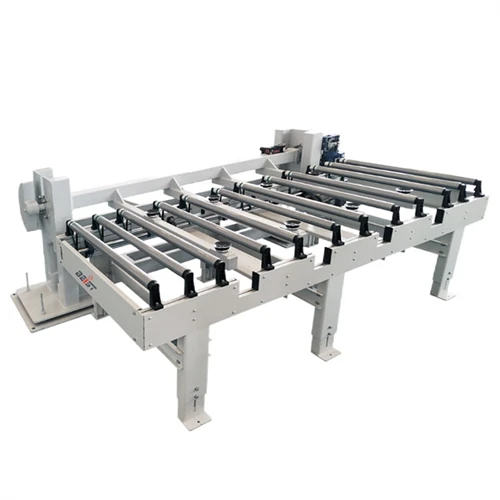
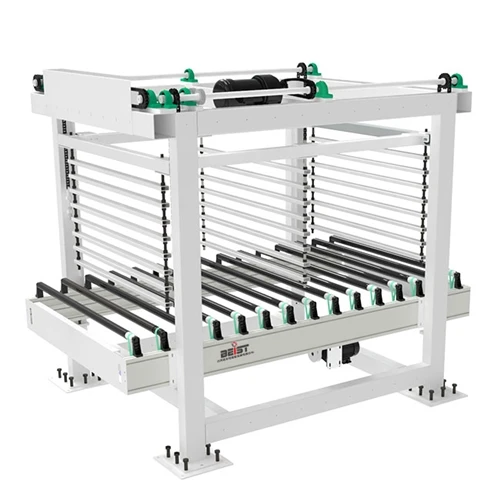
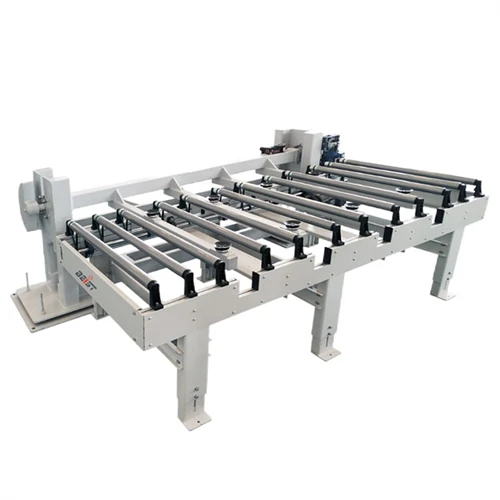
Turnover conveyors often work in conjunction with other conveyor systems, such as Powered Roller Conveyor - Fold and Intelligent Storage Bin. In such cases, the emergency stop mechanisms should be integrated seamlessly.
For example, if an emergency stop is triggered on the turnover conveyor, it should also send a signal to stop the connected powered roller conveyor and prevent any further movement of items into or out of the intelligent storage bin. This integrated approach ensures that the entire conveyor system comes to a halt when there is a problem, reducing the risk of damage and accidents.
Conclusion
In conclusion, the emergency stop mechanisms of a turnover conveyor are essential for ensuring the safety and efficiency of the operation. Pull - cord stops, push - button stops, safety mats, and proximity sensors all play important roles in providing quick and reliable ways to stop the conveyor in case of an emergency.
Proper maintenance and integration with other conveyor systems are also crucial aspects. As a supplier of turnover conveyors, I understand the importance of these mechanisms and always make sure that our conveyors are equipped with the best - in - class emergency stop systems.
If you're in the market for a turnover conveyor or are looking to upgrade your existing system's emergency stop mechanisms, I'd love to talk to you. Don't hesitate to reach out for a consultation and let's find the perfect solution for your needs.
References
- General knowledge on industrial conveyor safety systems.
- Industry standards and guidelines for conveyor emergency stop mechanisms.