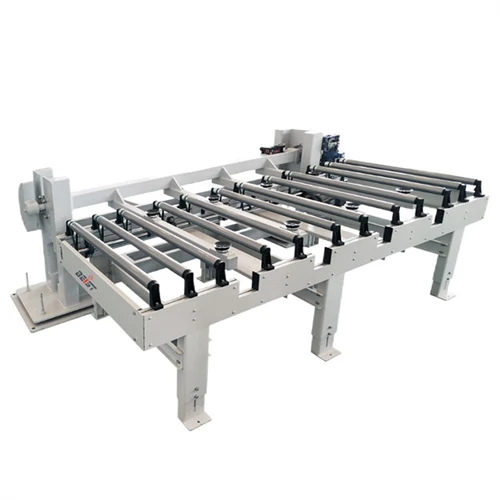
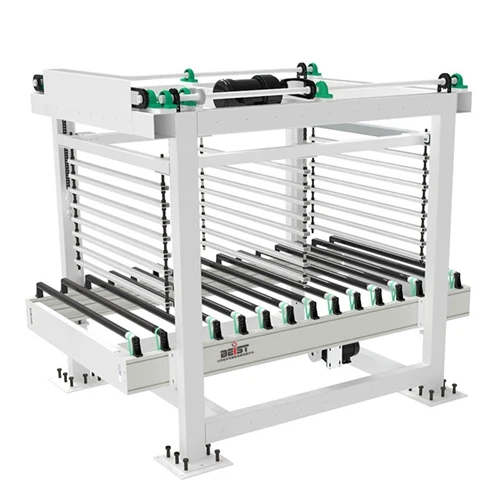
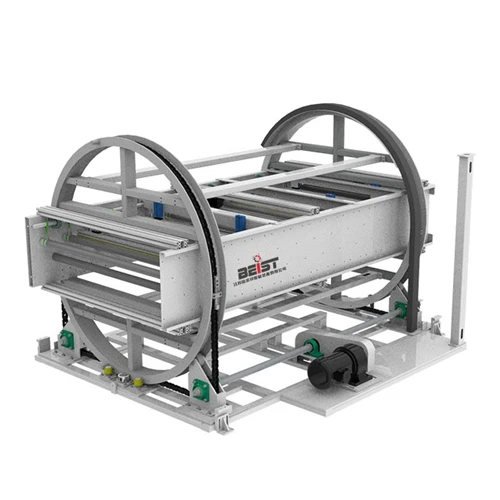
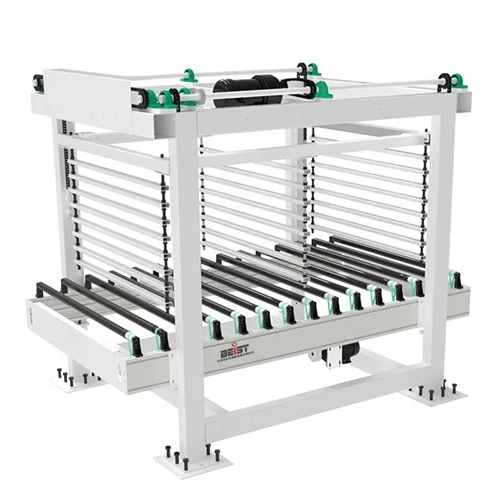
Hey there! As a supplier of Conveyor Crossover Bridges, I've seen my fair share of problems that customers run into. In this blog, I'm gonna share some tips on how to solve these common issues with Conveyor Crossover Bridges.
1. Structural Integrity Problems
One of the most significant issues with Conveyor Crossover Bridges is structural integrity. Over time, the bridge can experience wear and tear, especially if it's constantly in use. Heavy loads, vibrations from the conveyor system, and environmental factors like humidity and temperature changes can all contribute to structural degradation.
Inspection and Maintenance
Regular inspections are key. You should check for any signs of rust, cracks, or loose bolts. For rust, a simple solution is to use a rust converter and then repaint the affected area. Cracks can be more serious. If you spot a small crack, you can use a high - strength epoxy to fill it. But for larger cracks, it might be necessary to replace the damaged section.
Make sure to tighten all loose bolts on a regular basis. A torque wrench can be used to ensure that the bolts are tightened to the correct specifications. This will prevent any further loosening due to vibrations.
Reinforcement
In some cases, reinforcement might be needed. For example, if the bridge is constantly carrying heavy loads, you can add additional support beams. You can consult with a structural engineer to determine the best way to reinforce the bridge based on its design and the loads it's expected to carry.
2. Conveyor Belt Alignment Issues
Another common problem is conveyor belt alignment. If the belt isn't aligned properly, it can cause uneven wear, increase friction, and even lead to the belt coming off the rollers.
Roller Adjustment
The first step in solving belt alignment issues is to check the rollers. Make sure they are all parallel to each other and perpendicular to the direction of the belt. If a roller is misaligned, you can adjust it using the adjustment bolts or brackets. Usually, a small adjustment can make a big difference in belt alignment.
Belt Tracking Systems
Installing a belt tracking system can also be very helpful. These systems use sensors to detect when the belt is starting to drift and then make automatic adjustments to keep it centered. There are different types of belt tracking systems available, such as mechanical and electronic ones. You can choose the one that best suits your needs and budget.


3. Noise and Vibration Problems
Excessive noise and vibration can be a nuisance and can also indicate underlying problems with the Conveyor Crossover Bridge.
Lubrication
One of the main causes of noise and vibration is lack of lubrication. Make sure all the moving parts, such as the rollers, bearings, and pulleys, are properly lubricated. Use a high - quality lubricant that is suitable for the operating conditions of the conveyor system. Regular lubrication will reduce friction and minimize noise and vibration.
Isolation
If the noise and vibration are coming from the bridge itself, you can use isolation materials. For example, rubber pads can be placed between the bridge and its supports to absorb vibrations. This will not only reduce the noise but also prevent the vibrations from being transmitted to other parts of the facility.
4. Compatibility with Other Conveyor Systems
Sometimes, the Conveyor Crossover Bridge might not be compatible with other conveyor systems in the facility. This can lead to problems such as product jams and inefficient material flow.
Customization
As a supplier, we offer customization services to ensure that the Conveyor Crossover Bridge is fully compatible with your existing conveyor systems. We can adjust the dimensions, speed, and other parameters of the bridge to match your specific requirements. For example, if you have a Conveyor Platform for Cold Press in your facility, we can design the crossover bridge to seamlessly integrate with it.
System Integration
We also provide system integration services. Our team of experts can work with you to ensure that the Conveyor Crossover Bridge is integrated smoothly with your entire conveyor network. This includes programming the control systems to synchronize the movement of the materials across different conveyor sections.
5. Capacity Limitations
If the Conveyor Crossover Bridge is overloaded or has a lower capacity than required, it can lead to bottlenecks in the material handling process.
Upgrading the Bridge
If you find that the bridge is not able to handle the required volume of materials, you can consider upgrading it. This might involve increasing the width of the bridge, adding more rollers, or using a more powerful drive system. We can help you determine the best way to upgrade your Conveyor Crossover Bridge based on your specific needs.
Using Multiple Bridges
In some cases, using multiple Conveyor Crossover Bridges in parallel can be a good solution. This can increase the overall capacity of the material handling system and ensure a more efficient flow of materials.
Conclusion
Solving the problems of a Conveyor Crossover Bridge requires a combination of regular maintenance, proper adjustment, and, in some cases, customization and upgrading. As a supplier, we are committed to helping you keep your conveyor system running smoothly. If you're facing any issues with your Conveyor Crossover Bridge or are considering purchasing one, don't hesitate to contact us for a consultation. We have a team of experienced professionals who can provide you with the best solutions tailored to your needs. Whether you need a Gravity Roller Conveyor or an Unpowered Roller Conveyor as part of your conveyor network, we've got you covered. Let's work together to optimize your material handling processes!
References
- Conveyor Handbook, published by Conveyor Manufacturer's Association
- Technical guides provided by conveyor system component manufacturers