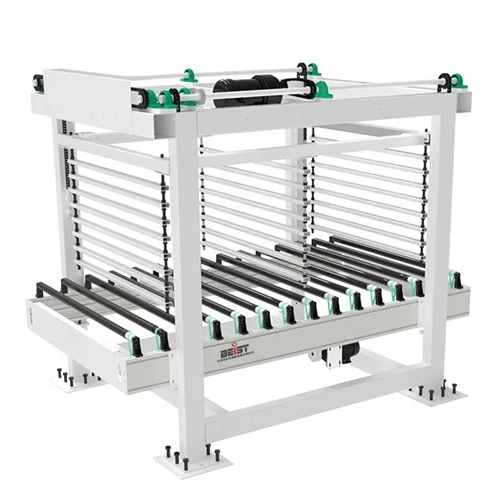
Programming the control system of a lift table with a conveyor top is a complex yet rewarding task. As a supplier of Lift Table with Conveyor Top, I have witnessed firsthand the importance of a well - programmed control system in ensuring the efficiency, safety, and reliability of these machines. In this blog, I will share some key steps and considerations for programming such a control system.
Understanding the Basics of Lift Table with Conveyor Top
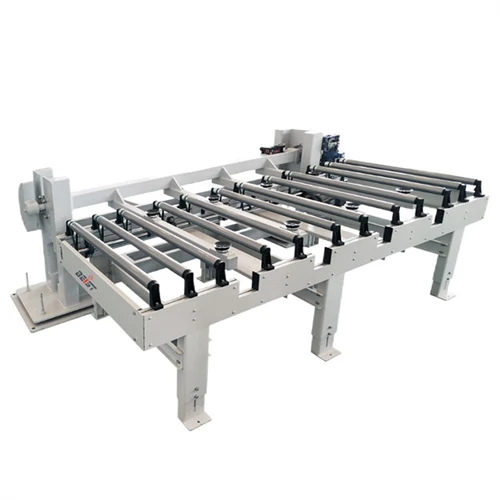
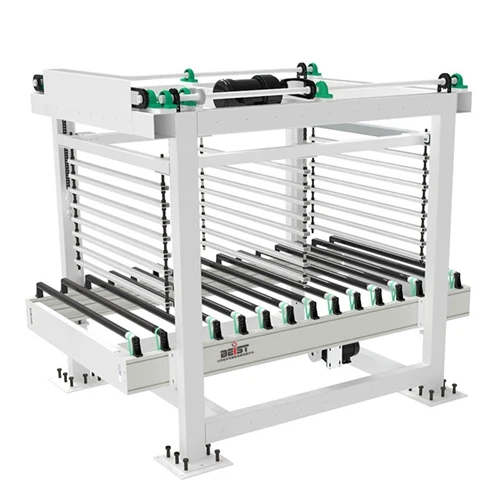
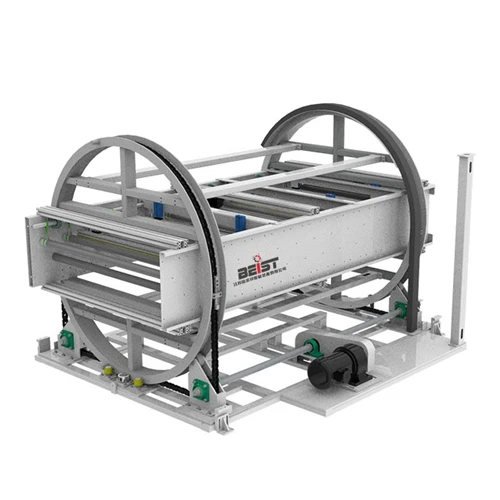
Before delving into programming, it is essential to have a clear understanding of the lift table with a conveyor top. This type of equipment combines the functionality of a lift table, which can raise and lower loads vertically, with a conveyor system that can move materials horizontally. The lift table typically uses hydraulic, pneumatic, or electric power to achieve vertical movement, while the conveyor can be powered by motors to transport items.
The Powered Roller Conveyor Lift Table is a popular variant, where the conveyor consists of powered rollers. This design allows for smooth and efficient material handling. On the other hand, the Conveyor Lifting Table with Forklift is often used in industrial settings where forklifts are involved in loading and unloading operations.
Requirements Gathering
The first step in programming the control system is to gather requirements. This involves working closely with the end - users, such as factory operators or logistics managers, to understand their specific needs. Some of the key requirements to consider include:
1. Load Capacity
Determine the maximum weight that the lift table and conveyor need to handle. This will affect the power requirements of the lift mechanism and the conveyor motors. For example, if the lift table is used to lift heavy industrial parts, it will require a more powerful hydraulic system and conveyor motors compared to a lift table used for light - weight packages.
2. Speed and Precision
Understand the desired speed of the lift table's vertical movement and the conveyor's horizontal movement. In some applications, such as assembly lines, high precision is required. The control system should be able to move the lift table and conveyor to specific positions accurately.
3. Safety Features
Safety is of utmost importance. The control system should include features such as emergency stop buttons, overload protection, and safety interlocks. For instance, if the load on the lift table exceeds the maximum capacity, the system should automatically stop the lift operation to prevent damage and accidents.
4. Integration with Other Systems
In many industrial environments, the lift table with a conveyor top needs to be integrated with other equipment, such as robotic arms or automated storage systems. The control system should be able to communicate with these other systems effectively.
Selecting the Right Hardware and Software
Once the requirements are gathered, the next step is to select the appropriate hardware and software for the control system.
Hardware
- Controller: A programmable logic controller (PLC) is commonly used for controlling lift tables with conveyor tops. PLCs are reliable, flexible, and can handle complex control tasks. They can be easily programmed to perform various functions, such as starting and stopping the lift and conveyor, monitoring sensors, and communicating with other devices.
- Sensors: Sensors are essential for monitoring the position, speed, and load of the lift table and conveyor. For example, proximity sensors can be used to detect the position of the lift table, while load cells can measure the weight of the load.
- Actuators: Actuators, such as hydraulic cylinders and conveyor motors, are responsible for moving the lift table and conveyor. The control system needs to be able to control the operation of these actuators accurately.
Software
- Programming Language: The most common programming languages for PLCs are ladder logic, function block diagram (FBD), and structured text. Ladder logic is widely used because it is easy to understand and resembles electrical circuit diagrams.
- Human - Machine Interface (HMI): An HMI allows operators to interact with the control system. It can display information such as the current position of the lift table, the status of the conveyor, and any error messages. The HMI software should be user - friendly and intuitive.
Programming the Control System
The programming process involves several steps:
1. Designing the Control Logic
Based on the requirements and the selected hardware and software, design the control logic. This includes defining the sequence of operations, such as how the lift table should move up and down, and how the conveyor should start and stop. For example, when a load is placed on the conveyor, the control system should first check if the lift table is at the correct position. If it is, the conveyor can start moving the load towards the lift table, and then the lift table can be raised to the desired height.
2. Writing the Program
Using the selected programming language, write the program for the control system. In ladder logic, for example, you can use rungs to represent different control functions. Each rung consists of input conditions and output actions. For instance, a rung can be used to start the conveyor motor when a start button is pressed and the lift table is at the correct position.
3. Testing and Debugging
After writing the program, it is essential to test and debug it. This involves simulating different scenarios and checking if the control system behaves as expected. For example, you can test the emergency stop function by pressing the emergency stop button and verifying that the lift table and conveyor stop immediately. If any errors are found, make the necessary adjustments to the program.
Safety Considerations in Programming
Safety is a critical aspect of programming the control system of a lift table with a conveyor top. Here are some important safety considerations:
1. Emergency Stop
The control system should have a clearly marked emergency stop button that, when pressed, immediately stops all operations of the lift table and conveyor. This button should be easily accessible to operators.
2. Overload Protection
As mentioned earlier, the control system should include overload protection. This can be achieved by using load cells to monitor the weight of the load. If the load exceeds the maximum capacity, the system should stop the lift operation and display an error message.
3. Safety Interlocks
Safety interlocks are used to prevent dangerous situations. For example, the lift table should not be able to move if the conveyor is in an unsafe position, or vice versa. These interlocks can be implemented using sensors and logic in the control program.


Maintenance and Upgrades
Once the control system is programmed and installed, it is important to perform regular maintenance to ensure its reliable operation. This includes checking the sensors, actuators, and the PLC for any signs of wear or damage.
In addition, as the requirements of the application may change over time, the control system may need to be upgraded. Upgrades can involve adding new features, such as improved safety functions or integration with new equipment.
Conclusion
Programming the control system of a lift table with a conveyor top is a multi - step process that requires a good understanding of the equipment, the requirements of the application, and the programming techniques. By following the steps outlined in this blog, you can develop a control system that is efficient, safe, and reliable.
If you are interested in purchasing a lift table with a conveyor top or need assistance with programming its control system, please don't hesitate to contact us for further discussion and negotiation. We are committed to providing high - quality products and services to meet your needs.