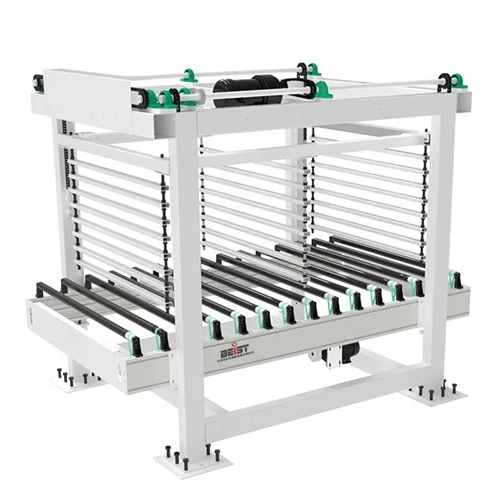
Hey there! As a supplier of Lifting Tables with Forklift, I know firsthand how important it is to keep your equipment in top - notch condition. One of the key maintenance tasks is lubricating these lifters properly. In this post, I'm gonna share some tips on how to lubricate a Lifting Table with Forklift like a pro.
Why Lubrication Matters
Before we dive into the "how - to" part, let's talk about why lubricating your Lifting Table with Forklift is such a big deal. Lubrication reduces friction between moving parts. This is crucial because high friction can lead to wear and tear on components like bearings, chains, and pivots. When parts wear out quickly, you'll end up facing breakdowns more often, which means longer downtime and more money spent on repairs.
Moreover, proper lubrication helps to prevent corrosion. The hydraulic systems and metal parts of a Lifting Table with Forklift are constantly exposed to moisture and air, which can cause rust. A good lubricant acts as a barrier, protecting these parts and extending their lifespan.

Tools and Lubricants You'll Need
First things first, you need to gather the right tools and lubricants. For tools, a grease gun is a must - have. It allows you to apply grease precisely to the areas that need it. You'll also need a clean rag to wipe off any dirt or old lubricant before applying the new one.
When it comes to lubricants, there are different types for different parts. For the hydraulic system, you'll need a high - quality hydraulic fluid. Make sure to check the manufacturer's recommendations for the right viscosity and type of fluid. For the mechanical parts like chains and bearings, a good quality grease is ideal. Grease has better adhesion properties, so it stays in place and provides long - lasting lubrication.
Pre - Lubrication Inspection
Before you start lubricating, it's super important to do a quick inspection of the Lifting Table with Forklift. Check for any visible signs of damage, such as cracks, leaks, or loose parts. If you notice anything out of the ordinary, it's best to fix it before proceeding with lubrication.
Inspect the hydraulic hoses for any signs of wear or leaks. A leaky hose can cause a drop in hydraulic pressure, which will affect the performance of the lifting table. Also, check the chains and bearings for any signs of excessive wear. If a chain is too loose or a bearing is making strange noises, it might need to be replaced.
Lubricating the Hydraulic System
The hydraulic system is the heart of the Lifting Table with Forklift. To lubricate it properly, start by checking the hydraulic fluid level. You can usually find a sight glass or a dipstick on the hydraulic reservoir. If the fluid level is low, you'll need to add the recommended hydraulic fluid.
When adding the fluid, make sure to use a clean funnel to prevent any dirt or debris from getting into the system. It's also a good idea to change the hydraulic fluid at regular intervals, as recommended by the manufacturer. Old fluid can become contaminated with dirt, metal particles, and moisture, which can damage the hydraulic pump and other components.
Besides, check the hydraulic filters. These filters are designed to remove contaminants from the fluid. If they're clogged, they can restrict the flow of fluid and put extra stress on the pump. Replace the filters if they're dirty or at the recommended service intervals.
Lubricating Mechanical Parts
Now let's move on to the mechanical parts. Start with the chains. Chains need to be well - lubricated to ensure smooth operation. Use the grease gun to apply a thin layer of grease along the length of the chain. Make sure to cover all the links. After applying the grease, run the chain for a short while to distribute the lubricant evenly.
Next, lubricate the bearings. Bearings are crucial for the smooth rotation of the forklift and the lifting mechanism. Apply grease to the bearing housings. You may need to remove the bearing covers to access the bearings properly. Once you've applied the grease, replace the covers tightly.
Don't forget to lubricate the pivot points. These are the points where different parts of the lifting table move against each other. Applying a small amount of grease to these points will reduce friction and prevent premature wear.
Tips and Best Practices
Here are some extra tips to make your lubrication process even better. Firstly, always follow the manufacturer's instructions. Each Lifting Table with Forklift is different, and the manufacturer knows best how to maintain it.
Secondly, keep a record of your lubrication schedule. This will help you stay on top of maintenance and ensure that you don't miss any important intervals.
And finally, store your lubricants properly. Keep them in a cool, dry place to prevent them from deteriorating.
Our Product Range
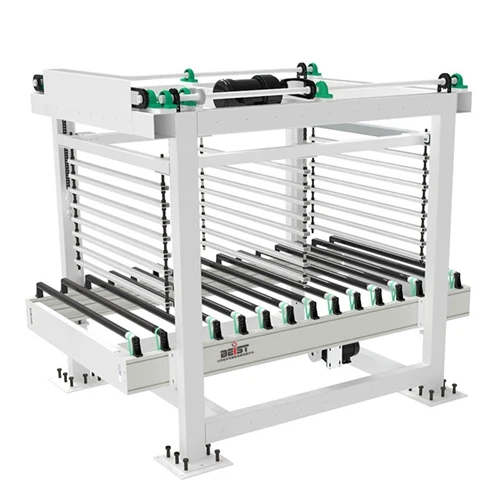
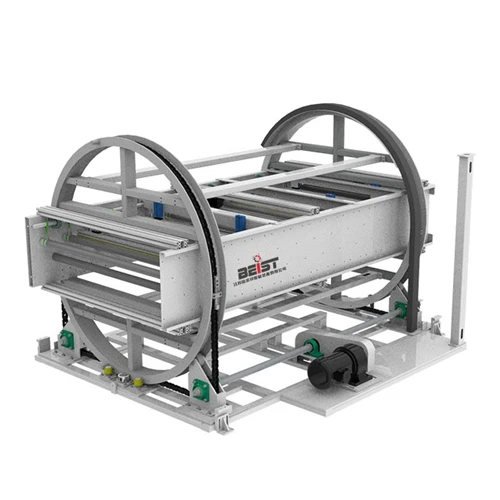
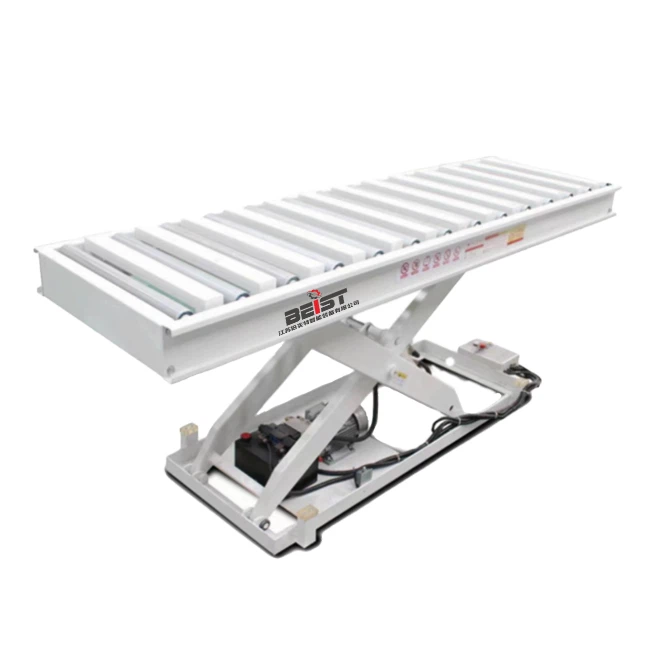
As a Lifting Table with Forklift supplier, we offer a wide range of high - quality products. We have the Conveyor Top Hydraulic Lift Table, which is perfect for quickly moving goods up and down between different levels. The E Shape Lift Table is another great option, providing stability and efficiency in various industrial applications.
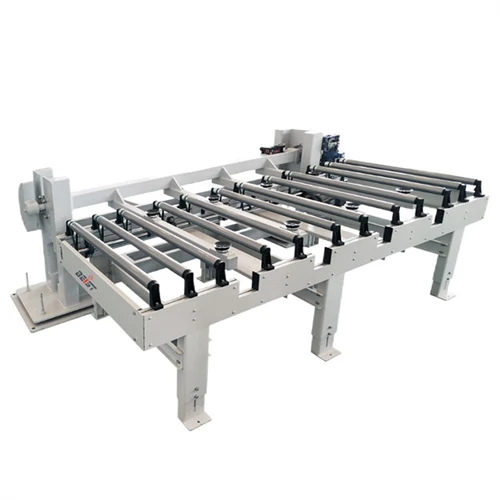
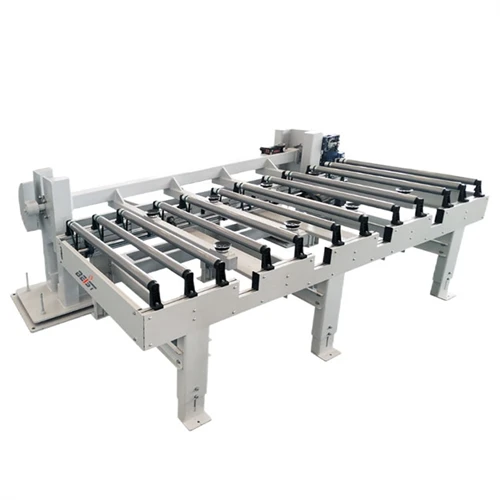
For applications that require a conveyor top, our Lift Table With Conveyor Top is a top - choice. And if you're looking for an electric - powered option, the Electric Hydraulic Lift Table offers smooth and reliable operation. We also have the Lifting Table With Roller Conveyor, which is ideal for handling heavy loads.
Contact Us for Purchasing
If you're in the market for a new Lifting Table with Forklift or need more information about our products, don't hesitate to reach out. We're here to help you choose the right equipment for your specific needs. Our team of experts can answer all your questions and guide you through the purchasing process. Get in touch with us today and take your industrial operations to the next level!