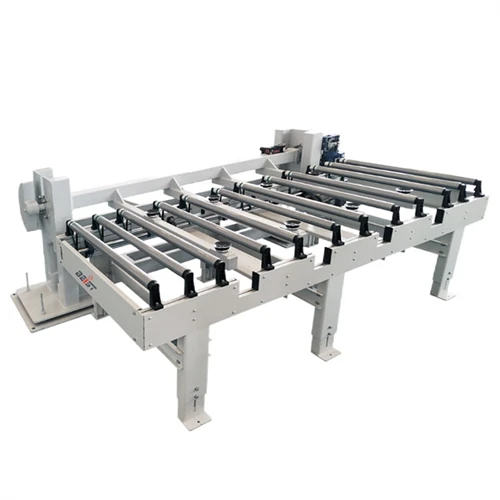
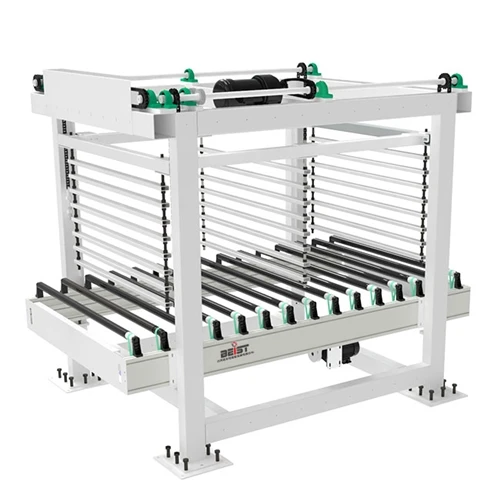
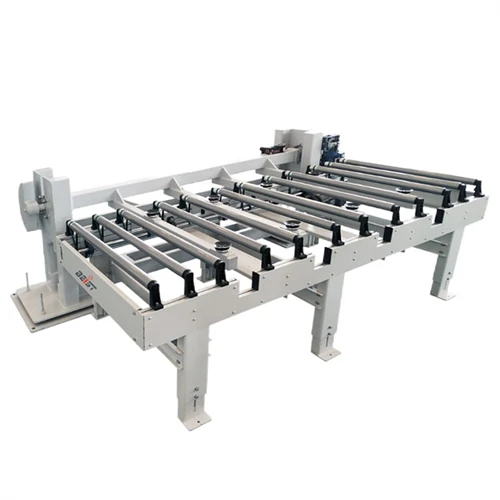
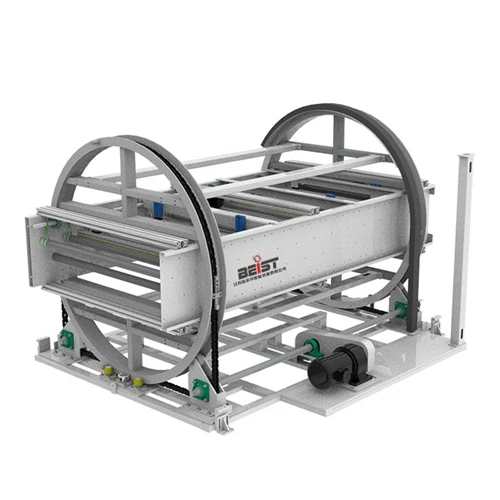
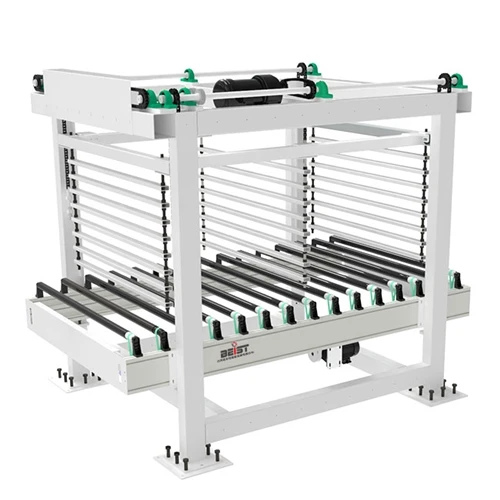
As a seasoned supplier of cross conveyors, I understand the critical importance of speed adjustment in optimizing conveyor performance. Cross conveyors are widely used in various industries, including manufacturing, logistics, and distribution, to transfer goods between different production lines or storage areas. Adjusting the speed of a cross conveyor can significantly impact productivity, efficiency, and product quality. In this blog post, I will share some practical tips on how to adjust the speed of a cross conveyor effectively.
Understanding the Basics of Cross Conveyor Speed
Before diving into the adjustment process, it's essential to understand the factors that influence the speed of a cross conveyor. The speed of a cross conveyor is typically determined by the motor's RPM (revolutions per minute), the gear ratio of the transmission system, and the diameter of the conveyor rollers. These factors work together to determine the linear speed of the conveyor belt or rollers.
The linear speed of a cross conveyor is calculated using the following formula:
[
\text{Linear Speed} = \frac{\text{Motor RPM} \times \text{Gear Ratio} \times \pi \times \text{Roller Diameter}}{60}
]
Where:
- Motor RPM: The rotational speed of the motor in revolutions per minute.
- Gear Ratio: The ratio of the number of teeth on the driving gear to the number of teeth on the driven gear in the transmission system.
- Roller Diameter: The diameter of the conveyor rollers in meters.
By understanding this formula, you can make informed decisions when adjusting the speed of your cross conveyor.
Methods for Adjusting Cross Conveyor Speed
There are several methods for adjusting the speed of a cross conveyor, each with its own advantages and disadvantages. The most common methods include:


1. Variable Frequency Drives (VFDs)
Variable frequency drives are one of the most popular methods for adjusting the speed of a cross conveyor. A VFD is an electronic device that controls the speed of an AC motor by varying the frequency and voltage of the electrical power supplied to the motor. By adjusting the frequency, you can change the motor's RPM and, consequently, the speed of the conveyor.
Advantages of VFDs:
- Precise speed control: VFDs allow for precise speed adjustment, which is essential for applications that require accurate product handling.
- Energy efficiency: VFDs can reduce energy consumption by adjusting the motor speed to match the load requirements.
- Soft start and stop: VFDs provide a smooth start and stop, which can reduce mechanical stress on the conveyor components and extend their lifespan.
Disadvantages of VFDs:
- Higher cost: VFDs are more expensive than traditional motor control methods.
- Complex installation and programming: VFDs require specialized knowledge and skills for installation and programming.
2. Gearboxes
Gearboxes are mechanical devices that change the speed and torque of a motor by using a series of gears. By changing the gear ratio, you can adjust the speed of the conveyor. Gearboxes are commonly used in applications where a fixed speed is required or where the load requirements are relatively constant.
Advantages of gearboxes:
- Simple and reliable: Gearboxes are relatively simple and reliable, with few moving parts.
- Cost-effective: Gearboxes are generally less expensive than VFDs.
- High torque capacity: Gearboxes can provide high torque output, making them suitable for heavy-duty applications.
Disadvantages of gearboxes:
- Limited speed range: Gearboxes have a limited speed range, and changing the gear ratio can be time-consuming and expensive.
- Mechanical wear: Gearboxes are subject to mechanical wear and require regular maintenance.
3. Pulley and Belt Systems
Pulley and belt systems are another method for adjusting the speed of a cross conveyor. By changing the diameter of the pulleys, you can change the speed ratio between the motor and the conveyor. This method is commonly used in applications where a simple and cost-effective speed adjustment is required.
Advantages of pulley and belt systems:
- Simple and inexpensive: Pulley and belt systems are relatively simple and inexpensive to install and maintain.
- Easy to adjust: Changing the pulley diameter is a straightforward process that can be done without specialized tools or equipment.
Disadvantages of pulley and belt systems:
- Limited speed range: Pulley and belt systems have a limited speed range, and changing the pulley diameter can affect the tension and alignment of the belt.
- Belt slippage: Belt slippage can occur if the belt tension is not properly adjusted, which can reduce the efficiency and reliability of the conveyor.
Steps for Adjusting Cross Conveyor Speed
Once you have chosen the appropriate method for adjusting the speed of your cross conveyor, you can follow these steps to make the adjustment:
1. Determine the Desired Speed
The first step is to determine the desired speed of the cross conveyor based on your production requirements. Consider factors such as the type of product being conveyed, the throughput rate, and the distance between the loading and unloading points.
2. Select the Adjustment Method
Based on the desired speed and the characteristics of your cross conveyor, select the most appropriate method for adjusting the speed. Consider factors such as cost, precision, energy efficiency, and ease of installation and maintenance.
3. Make the Adjustment
Once you have selected the adjustment method, follow the manufacturer's instructions to make the adjustment. If you are using a VFD, you will need to program the drive to the desired speed. If you are using a gearbox or pulley and belt system, you will need to change the gear ratio or pulley diameter.
4. Test the Conveyor
After making the adjustment, test the conveyor to ensure that it is operating at the desired speed. Monitor the conveyor for any signs of vibration, noise, or other issues that may indicate a problem.
5. Fine-Tune the Adjustment
If necessary, fine-tune the adjustment to achieve the optimal speed. This may involve making small adjustments to the VFD settings, gear ratio, or pulley diameter.
Considerations for Cross Conveyor Speed Adjustment
When adjusting the speed of a cross conveyor, there are several considerations to keep in mind:
1. Product Compatibility
The speed of the cross conveyor should be compatible with the type of product being conveyed. Some products may be sensitive to high speeds and may require a slower conveyor speed to prevent damage.
2. Throughput Rate
The speed of the cross conveyor should be adjusted to match the throughput rate of your production line. If the conveyor is too slow, it may cause bottlenecks and reduce productivity. If the conveyor is too fast, it may cause product damage or spillage.
3. Safety
Safety is always a top priority when operating a cross conveyor. When adjusting the speed, make sure that the conveyor is properly guarded and that all safety devices are functioning correctly.
4. Maintenance
Regular maintenance is essential for ensuring the reliable operation of a cross conveyor. When adjusting the speed, make sure that the conveyor components are properly lubricated and that all belts and chains are properly tensioned.
Related Products
In addition to cross conveyors, we also offer a range of related products that can enhance the performance and efficiency of your material handling system. Some of our popular products include:
- RGV Single Row Power Tour Car: This innovative product is designed to provide efficient and flexible material handling in a variety of applications.
- Single Arm Panel Over Turner: Our single arm panel over turner is a reliable and cost-effective solution for turning panels and other flat products.
- Automatic Flip Machine: The automatic flip machine is designed to automatically flip products during the conveying process, improving productivity and reducing labor costs.
Conclusion
Adjusting the speed of a cross conveyor is an important aspect of optimizing its performance and efficiency. By understanding the basics of cross conveyor speed, choosing the appropriate adjustment method, and following the proper steps, you can ensure that your cross conveyor is operating at the optimal speed for your production requirements. If you have any questions or need assistance with adjusting the speed of your cross conveyor, please don't hesitate to contact us. We are a leading supplier of cross conveyors and related products, and we are committed to providing our customers with the highest quality products and services. Contact us today to discuss your material handling needs and to learn more about how we can help you improve your productivity and efficiency.
References
- Conveyor Handbook, 3rd Edition, by John A. McKee
- Material Handling Handbook, 5th Edition, by Harry H. Edson