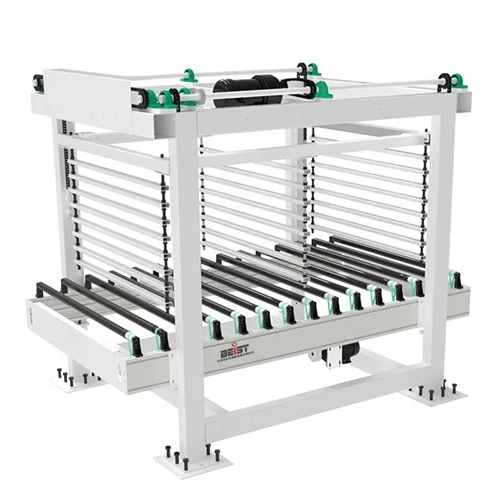
Hey there! As a supplier of hydraulic lift tables, I'm super stoked to break down how these nifty pieces of equipment work. Hydraulic lift tables are all around us, from warehouses to manufacturing plants, and they play a huge role in making work easier and more efficient.
Let's start with the basics. At the heart of a hydraulic lift table is the hydraulic system. It's like the engine of a car, but instead of making wheels turn, it makes the table go up and down. The system is made up of a few key components: a hydraulic pump, a cylinder, hydraulic fluid, and a control valve.
First off, the hydraulic pump. Think of it as the power source of the entire operation. This pump is responsible for moving the hydraulic fluid through the system. It does this by creating pressure. When you turn on the power - whether it's an electric motor powering the pump or a manual operation - the pump starts sucking in the hydraulic fluid from a reservoir. This fluid is usually a special type of oil that's designed to work well under pressure and has good lubricating properties.
Once the fluid is in the pump, it gets pressurized. The pump then pushes this high - pressure fluid through a series of pipes or hoses and into the hydraulic cylinder. The hydraulic cylinder is where the real magic happens. It's a tube - like structure with a piston inside. The piston is like a plunger that can move up and down inside the cylinder.
When the high - pressure hydraulic fluid enters the cylinder, it pushes against the piston. Since the piston is attached to the lift table, as the piston moves up, so does the table. This movement is super smooth and controlled because of the nature of the hydraulic system. The pressure from the fluid evenly distributes across the piston, allowing for a stable and gradual lift.
Now, how do we control the movement? That's where the control valve comes in. The control valve is like a traffic cop for the hydraulic fluid. It decides where the fluid goes and how much of it gets to the cylinder. If you want to raise the lift table, you operate the valve to allow more fluid to flow into the cylinder. To lower the table, you open the valve the other way, allowing the fluid to flow back to the reservoir. This is usually done by a simple switch or lever that you can control.
One of the great things about hydraulic lift tables is their versatility. We offer a range of different types to meet various needs. For example, the Electric Hydraulic Lift Table is perfect for applications where you need a reliable and consistent power source. It's powered by an electric motor, which means it can operate continuously with hardly any maintenance. This type of lift table is often used in assembly lines and warehouses where goods need to be lifted and moved regularly.
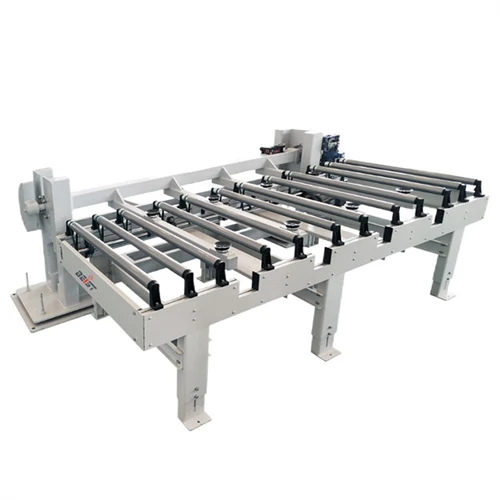
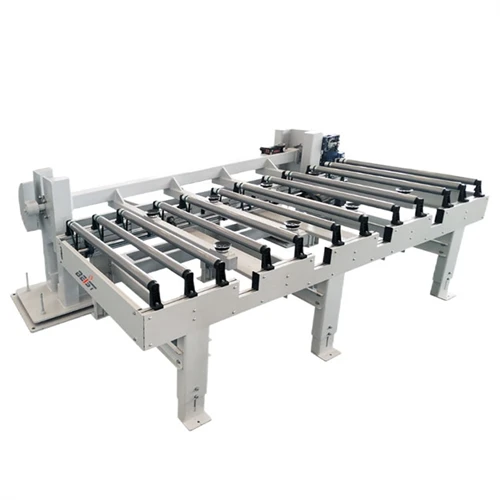
Then there's the Powered Roller Conveyor Lift Table. This one combines the lifting function of a hydraulic table with a powered roller conveyor. It's a game - changer in industries where you need to transport items to different heights. For instance, in a shipping facility, you can use it to lift pallets of goods to the appropriate level of a loading dock and then roll the pallets onto the truck easily.
If you're in the business of moving heavy forklift - compatible loads, our Lifting Table with Forklift is the way to go. It's designed to work in harmony with forklifts, allowing you to safely lift and position large and heavy items. This is especially useful in industrial settings where forklifts are a common sight.
The E Shape Lift Table has a unique design that offers more stability and support. Its E - shaped frame provides a wider base and better load - distribution, making it ideal for handling irregularly shaped or heavy - duty loads. You'll often find these in workshops or manufacturing plants where precision and stability are key.
And last but not least, the Conveyor Top Hydraulic Lift Table. As the name suggests, it has a conveyor on top of the lift table. This is extremely useful for quickly moving items from one level to another. It's frequently used in packaging and sorting facilities, where items need to be transferred between different processing stages.
In addition to how the basic hydraulic system works, there are also some safety features built into these lift tables. For example, most come with overload protection. This is a mechanism that prevents the lift table from trying to lift more weight than it's designed to handle. If the load exceeds the rated capacity, the system will stop working to avoid any potential damage or accidents.
Another important safety feature is the emergency stop button. In case something goes wrong, you can quickly hit this button, and the lift table will immediately stop its operation. It's a simple but crucial feature that gives operators peace of mind.
Now, I hope this explanation has made it clear how hydraulic lift tables work and why they're so useful in so many different industries. Whether you're in manufacturing, warehousing, or any other business that requires moving heavy items up and down, a hydraulic lift table can be a real asset.
If you're interested in learning more about our products or are thinking of making a purchase, we'd love to have a chat with you. Just reach out, and we can discuss your specific needs and find the perfect hydraulic lift table for your business.