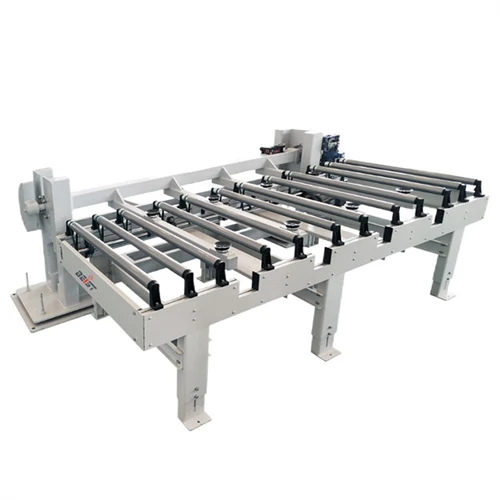
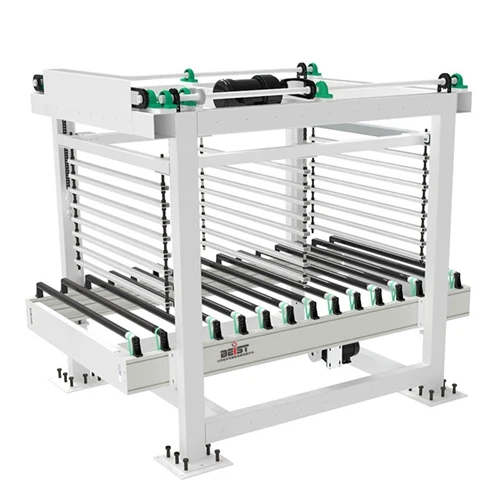
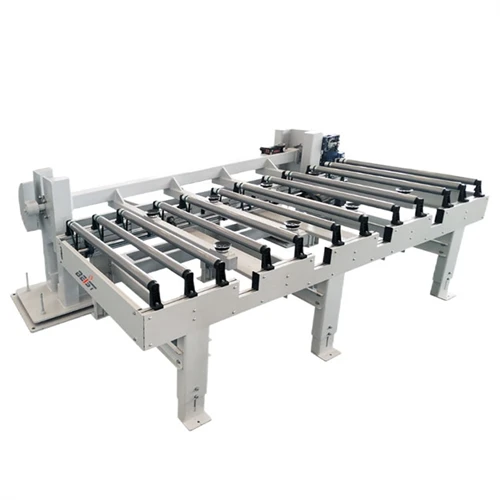
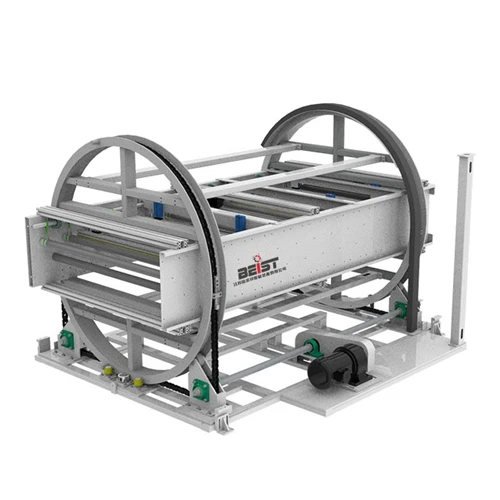
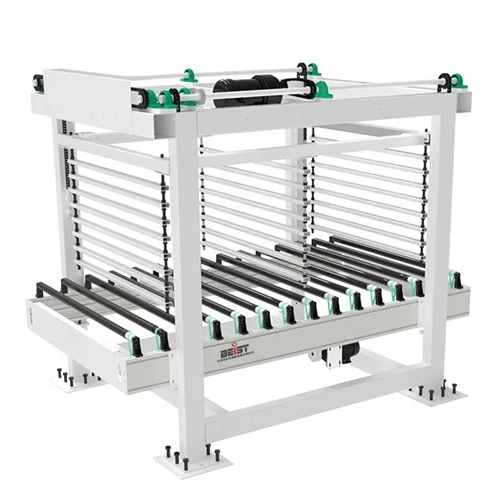
Hey there! As a supplier of Conveyor Crossover Bridges, I'm super stoked to share with you all the different materials we use to build these nifty structures. Conveyor Crossover Bridges are essential in many industrial settings, allowing conveyors to cross over walkways, other conveyors, or obstacles. So, let's dive right into the materials that make these bridges strong, durable, and reliable.
Steel
Steel is hands - down one of the most commonly used materials for building Conveyor Crossover Bridges. And there's a good reason for that! It's got some seriously impressive strength properties. Whether it's mild steel or high - strength steel, it can handle heavy loads without breaking a sweat.
Mild steel is relatively inexpensive and easy to work with. We can cut, weld, and shape it into all sorts of configurations to meet the specific needs of our clients. It's great for the framework of the bridge, providing a solid base that can support the weight of the conveyor and the materials being transported.
High - strength steel, on the other hand, is used when we need to build a bridge that can withstand extremely heavy loads or harsh environmental conditions. It has a higher yield strength and tensile strength than mild steel, which means it can take more stress before it starts to deform. This makes it ideal for industrial facilities where large quantities of heavy materials are being moved around.
Another advantage of using steel is its durability. It can last for decades with proper maintenance. We often apply a protective coating to the steel to prevent rust and corrosion, which can extend its lifespan even further.
Aluminum
Aluminum is another material that we frequently use in the construction of Conveyor Crossover Bridges. It's lightweight, which makes it easier to transport and install. This is a huge plus, especially in situations where the bridge needs to be assembled on - site or moved around frequently.
Despite its light weight, aluminum is still quite strong. It has a high strength - to - weight ratio, which means it can support a decent amount of weight relative to its own mass. This makes it a great choice for bridges that need to be installed in areas where weight restrictions are a concern, such as on upper floors of a building.
Aluminum is also resistant to corrosion, which is a big deal in industrial environments where moisture and chemicals are often present. Unlike steel, it doesn't require a protective coating to prevent rust, although we may still apply a finish for aesthetic purposes or to enhance its resistance to wear and tear.
Wood
You might be surprised to hear that wood is still used in the construction of Conveyor Crossover Bridges, but it has its place. Wood is a natural and renewable resource, which makes it an environmentally friendly option. It's also relatively inexpensive and easy to work with, especially for smaller - scale projects.
We typically use pressure - treated wood for Conveyor Crossover Bridges. Pressure treatment involves forcing preservatives into the wood to make it resistant to rot, insects, and decay. This extends the lifespan of the wood and makes it suitable for outdoor or industrial use.
Wood has a warm and natural appearance, which can be appealing in certain settings. It can also be easily customized with different finishes to match the surrounding environment. However, it's important to note that wood is not as strong as steel or aluminum, so it's usually used for lighter - duty applications.
Composite Materials
Composite materials are becoming increasingly popular in the construction of Conveyor Crossover Bridges. These materials are made by combining two or more different materials to create a new material with improved properties.
One type of composite material that we use is fiberglass. Fiberglass is made by combining glass fibers with a resin matrix. It's lightweight, strong, and resistant to corrosion. It can also be molded into complex shapes, which gives us a lot of flexibility in the design of the bridge.
Another type of composite material is carbon fiber. Carbon fiber is even stronger and lighter than fiberglass, but it's also more expensive. It's often used in high - performance applications where weight savings and strength are critical.
Other Components
In addition to the main structural materials, there are several other components that are used to build a Conveyor Crossover Bridge. For example, we use bearings and rollers to support the conveyor and allow it to move smoothly. These components need to be made of high - quality materials to ensure reliable operation.
We also use fasteners, such as bolts and nuts, to hold the different parts of the bridge together. These fasteners need to be strong and durable to prevent the bridge from coming apart.
Related Conveyor Products
If you're interested in conveyor systems, you might also want to check out some of our other products. We offer a Curved Roller Conveyor that's perfect for changing the direction of your conveyor line. It's designed to be smooth and efficient, ensuring that your materials are transferred without any issues.


Our Ball Transfer Table Conveyor is another great option. It allows for easy movement of materials in multiple directions, making it ideal for sorting and distribution applications.
And if you're in the market for a conveyor platform for a cold press, we've got you covered with our Conveyor Platform for Cold Press. It's built to withstand the high pressures and heavy loads associated with cold pressing operations.
Conclusion
So, there you have it! The materials we use to build Conveyor Crossover Bridges are diverse, each with its own unique properties and advantages. Whether you need a heavy - duty steel bridge for a large industrial facility or a lightweight aluminum bridge for a more delicate application, we've got the expertise and the materials to get the job done.
If you're interested in learning more about our Conveyor Crossover Bridges or any of our other conveyor products, don't hesitate to reach out. We're always happy to have a chat and discuss how we can meet your specific needs. Let's work together to find the perfect solution for your conveyor system!
References
- "Materials Science and Engineering: An Introduction" by William D. Callister Jr. and David G. Rethwisch
- Industry standards and guidelines for conveyor system construction