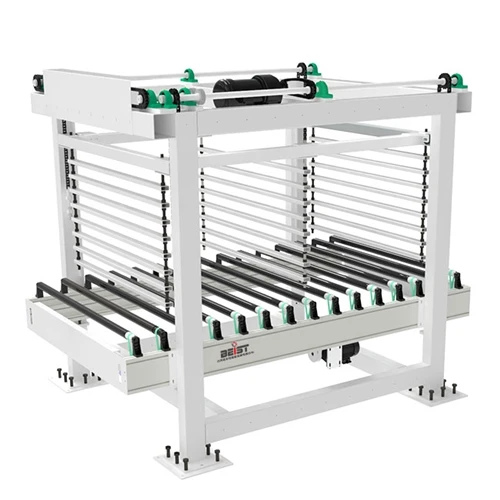
As a provider of Roller Conveyor Carts, I often encounter questions from clients about various aspects of our products. One frequently asked question is about the surface finish of the rollers on a roller conveyor cart. In this blog post, I'll delve into this topic, explaining the different types of surface finishes, their benefits, and how they can impact the performance of your roller conveyor cart.
Understanding Surface Finish
The surface finish of the rollers on a roller conveyor cart refers to the texture and quality of the outer layer of the rollers. It plays a crucial role in determining how well the cart functions, including factors such as friction, durability, and resistance to wear and tear. Different surface finishes are suitable for different applications, depending on the type of materials being transported, the environment in which the conveyor operates, and the specific requirements of the user.
Types of Surface Finishes
1. Plain Steel Finish
The plain steel finish is the most basic type of surface finish for rollers. It is simply the raw steel surface, which provides a relatively smooth and hard surface for the movement of goods. This finish is cost - effective and suitable for general - purpose applications where the materials being transported are not particularly delicate or where there are no strict hygiene requirements. However, plain steel rollers are prone to rusting if exposed to moisture, so they may require regular maintenance in humid environments.
2. Galvanized Finish
Galvanized rollers have a zinc coating applied to the steel surface. This coating provides excellent corrosion resistance, making galvanized rollers ideal for use in outdoor or wet environments. The zinc layer acts as a sacrificial anode, protecting the underlying steel from rust and corrosion. Galvanized rollers are also more durable than plain steel rollers, as the zinc coating helps to prevent scratches and abrasions. They are commonly used in industries such as agriculture, food processing, and wastewater treatment.
3. Powder - Coated Finish
Powder coating is a process where a dry powder is electrostatically applied to the roller surface and then cured under heat to form a hard, durable finish. Powder - coated rollers come in a variety of colors, which can be useful for color - coding or aesthetic purposes. This finish provides good protection against corrosion, scratches, and chemicals. It is also easy to clean, making it suitable for applications where hygiene is important, such as in the pharmaceutical and food industries.
4. Rubber - Coated Finish
Rubber - coated rollers have a layer of rubber applied to the steel core. This type of finish provides high friction, which is beneficial for transporting materials that require a firm grip, such as packages with smooth surfaces or items that need to be held in place during transport. Rubber - coated rollers can also reduce noise and vibration, making them suitable for use in quiet environments. Additionally, the rubber layer can act as a shock absorber, protecting delicate materials from damage.
5. Stainless Steel Finish
Stainless steel rollers are made from a corrosion - resistant alloy of steel, chromium, and nickel. They offer excellent resistance to rust, corrosion, and staining, making them ideal for use in harsh environments or where strict hygiene standards must be met. Stainless steel rollers are commonly used in the food, beverage, and pharmaceutical industries, as well as in marine applications. They are also very durable and can withstand high temperatures and heavy loads.
Factors Affecting Surface Finish Selection
When choosing the surface finish for the rollers on your roller conveyor cart, several factors need to be considered:
1. Material to be Transported
The type of material being transported is a key factor in determining the appropriate surface finish. For example, if you are transporting delicate items, a rubber - coated or powder - coated finish may be more suitable to prevent damage. On the other hand, if you are transporting heavy or abrasive materials, a galvanized or stainless steel finish may be required for durability.
2. Environment
The environment in which the roller conveyor cart will operate also plays a significant role. In a humid or corrosive environment, a galvanized or stainless steel finish is recommended to prevent rust and corrosion. In a cleanroom or food - processing environment, a powder - coated or stainless steel finish may be necessary to meet hygiene standards.


3. Friction Requirements
The amount of friction needed between the rollers and the materials being transported is another important consideration. If you need to move items quickly and smoothly, a low - friction finish like plain steel or stainless steel may be appropriate. However, if you need to hold items in place or prevent slippage, a high - friction finish like rubber - coated rollers is a better choice.
4. Cost
Cost is always a factor in any purchasing decision. Plain steel rollers are the most cost - effective option, while stainless steel and rubber - coated rollers tend to be more expensive. It's important to balance the cost with the performance and durability requirements of your application.
Impact on Roller Conveyor Cart Performance
The surface finish of the rollers can have a significant impact on the overall performance of the roller conveyor cart. A well - chosen surface finish can improve the efficiency, reliability, and longevity of the cart.
- Efficiency: The right surface finish can reduce friction, allowing materials to move more smoothly along the conveyor. This can increase the speed and throughput of the conveyor system, leading to improved productivity.
- Reliability: A durable surface finish can prevent damage to the rollers, reducing the risk of breakdowns and downtime. This is especially important in industries where continuous operation is critical.
- Longevity: A corrosion - resistant surface finish can extend the lifespan of the rollers, reducing the need for frequent replacements. This can result in cost savings over the long term.
Applications of Different Surface Finishes
Each type of surface finish has its own set of applications.
- Plain Steel Finish: General - purpose material handling in dry, indoor environments, such as in warehouses and manufacturing plants.
- Galvanized Finish: Outdoor applications, wet environments, and industries where corrosion resistance is important, like agriculture and wastewater treatment.
- Powder - Coated Finish: Industries with hygiene requirements, such as food processing and pharmaceuticals, as well as applications where color - coding is needed.
- Rubber - Coated Finish: Transporting smooth or delicate materials, applications where noise reduction is desired, and situations where high friction is required.
- Stainless Steel Finish: Harsh environments, marine applications, and industries with strict hygiene standards, such as food, beverage, and pharmaceuticals.
Our Product Offerings
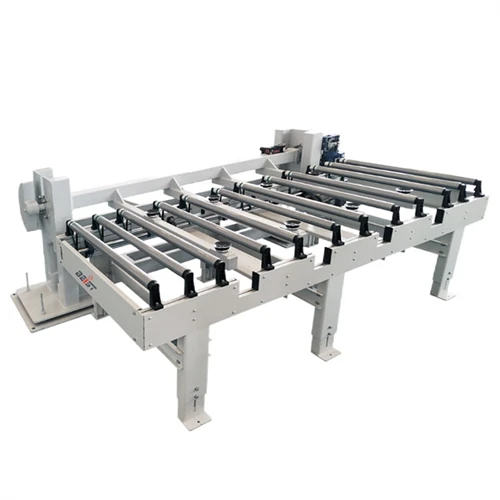
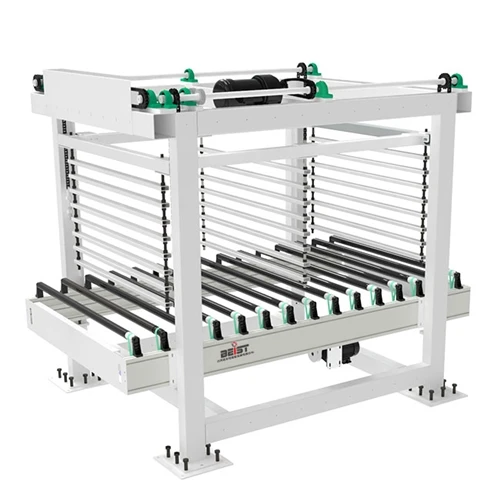
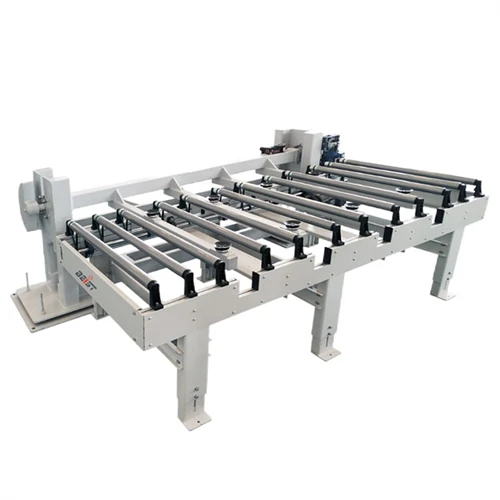
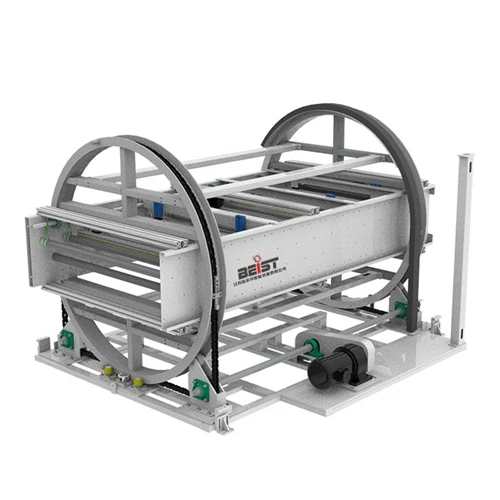
As a Roller Conveyor Cart supplier, we offer a wide range of roller conveyor carts with different surface finishes to meet the diverse needs of our customers. Whether you need a Gravity Roller Conveyor for simple material handling, a Conveyor Platform for Cold Press for specialized applications, or a Transfer Cart with Turntable for flexible material transfer, we have the right solution for you.
Conclusion
The surface finish of the rollers on a roller conveyor cart is a critical factor that can significantly affect the performance, durability, and suitability of the cart for different applications. By understanding the different types of surface finishes and their benefits, you can make an informed decision when choosing a roller conveyor cart.
If you are in the market for a roller conveyor cart and need more information or assistance in selecting the right surface finish for your application, please feel free to contact us. Our team of experts is ready to help you find the perfect solution for your material - handling needs.
References
- ASM Handbook Committee. (2004). ASM Handbook Volume 5: Surface Engineering. ASM International.
- Schweitzer, P. A. (2004). Handbook of Corrosion Engineering. McGraw - Hill Professional.
- American Galvanizers Association. (n.d.). Galvanizing 101: The Basics of Hot - Dip Galvanizing. Retrieved from [Website URL] (not provided as per instruction)