In the dynamic landscape of material handling and industrial operations, the stability of equipment is not just a technical specification; it's a cornerstone of safety, efficiency, and productivity. As a leading supplier of Lifting Table with Forklift, we understand the critical role that stability plays in the seamless operation of these vital machines.
Understanding the Basics of Lifting Table with Forklift
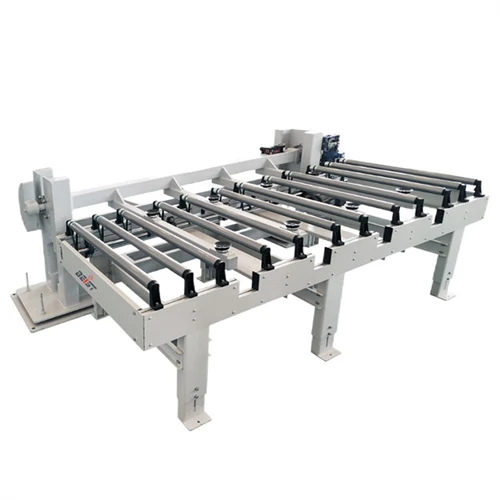
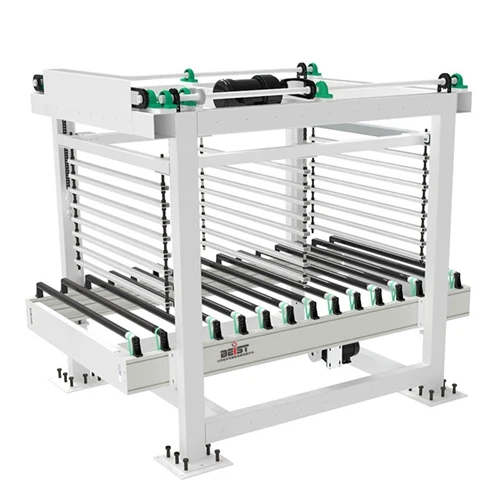
Before delving into the intricacies of stability, it's essential to grasp the fundamental concept of a Lifting Table with Forklift. This innovative piece of equipment combines the functionality of a lifting table and a forklift, offering a versatile solution for lifting, transporting, and positioning heavy loads. It typically consists of a sturdy platform, hydraulic lifting mechanism, and forklift forks, which can be adjusted to accommodate various load sizes and shapes.
The primary applications of a Lifting Table with Forklift span across multiple industries, including manufacturing, warehousing, logistics, and automotive. In manufacturing plants, it can be used to lift and position raw materials, components, and finished products during the production process. In warehouses and logistics centers, it facilitates the efficient loading and unloading of goods from trucks and storage racks. In the automotive industry, it aids in the assembly and maintenance of vehicles by providing a stable platform for lifting engines, transmissions, and other heavy parts.


Factors Affecting the Stability of a Lifting Table with Forklift
The stability of a Lifting Table with Forklift is influenced by several factors, each of which must be carefully considered during the design, operation, and maintenance of the equipment.
1. Load Distribution
One of the most critical factors affecting stability is the distribution of the load on the lifting table and forklift forks. An unevenly distributed load can cause the equipment to tilt or tip over, posing a significant safety risk to operators and bystanders. To ensure proper load distribution, it's important to place the load centered on the platform and forks, and to adjust the forks to the appropriate width to support the load securely. Additionally, operators should avoid overloading the equipment beyond its rated capacity, as this can also compromise stability.
2. Center of Gravity
The center of gravity of the Lifting Table with Forklift and the load it carries plays a crucial role in determining its stability. The center of gravity is the point at which the weight of the object is evenly distributed in all directions. When the center of gravity shifts outside the base of support, the equipment becomes unstable and prone to tipping. To maintain stability, it's essential to keep the load as low as possible and to avoid sudden movements or jerks that can cause the center of gravity to shift.
3. Hydraulic System
The hydraulic system is responsible for powering the lifting mechanism of the Lifting Table with Forklift. A well-functioning hydraulic system is essential for ensuring smooth and stable operation. Leaks, blockages, or other issues in the hydraulic system can cause the lifting table to malfunction, leading to instability and potential safety hazards. Regular maintenance and inspection of the hydraulic system, including checking for fluid levels, leaks, and proper pressure, are crucial for maintaining stability.
4. Floor Conditions
The condition of the floor on which the Lifting Table with Forklift operates can also affect its stability. Uneven, slippery, or soft floors can cause the equipment to shift or slide, increasing the risk of tipping. Before operating the equipment, it's important to ensure that the floor is level, clean, and free of debris. If necessary, the floor can be reinforced or treated to improve traction and stability.
5. Operator Training
Finally, the training and experience of the operator play a significant role in the stability of the Lifting Table with Forklift. Operators should be thoroughly trained on the proper use, operation, and maintenance of the equipment, including load handling, safety procedures, and emergency response. They should also be aware of the factors that can affect stability and take appropriate measures to ensure safe operation at all times.
Design Features for Enhanced Stability
At our company, we take stability seriously and incorporate several design features into our Lifting Table with Forklift to ensure optimal performance and safety.
1. Sturdy Construction
Our lifting tables are constructed using high-quality materials and advanced manufacturing techniques to ensure maximum strength and durability. The frame is typically made of heavy-duty steel, which provides a solid foundation for the lifting mechanism and the load. The forklift forks are also made of high-strength steel and are designed to withstand heavy loads without bending or breaking.
2. Anti-Tip Devices
To prevent tipping, our Lifting Table with Forklift is equipped with anti-tip devices, such as outriggers or stabilizers. These devices extend from the base of the equipment and provide additional support and stability, especially when lifting heavy loads or operating on uneven surfaces.
3. Hydraulic Locking System
Our hydraulic system is equipped with a locking mechanism that prevents the lifting table from lowering unexpectedly. This feature provides an additional layer of safety and stability, especially when the load is being transferred or when the equipment is parked.
4. Adjustable Forks
The forklift forks on our Lifting Table with Forklift are adjustable, allowing operators to customize the width and length of the forks to accommodate different load sizes and shapes. This ensures that the load is securely supported and evenly distributed, minimizing the risk of instability.
Importance of Stability in Operation
The stability of a Lifting Table with Forklift is not just important for safety; it also has a significant impact on productivity and efficiency. A stable lifting table allows operators to lift and position loads quickly and accurately, reducing the time and effort required to complete tasks. It also minimizes the risk of damage to the load and the equipment, which can result in costly repairs and downtime.
In addition, a stable Lifting Table with Forklift helps to create a safer working environment for operators and bystanders. By reducing the risk of tipping and other accidents, it can prevent injuries and fatalities, which can have a profound impact on the well-being of employees and the reputation of the company.
Maintenance and Inspection for Stability
To ensure the continued stability and performance of your Lifting Table with Forklift, it's important to perform regular maintenance and inspections. This includes checking the hydraulic system for leaks, fluid levels, and proper pressure, as well as inspecting the frame, forks, and other components for signs of wear and damage. Operators should also be trained to perform daily pre-operation checks to identify any potential issues before they become serious problems.
In addition to regular maintenance, it's also important to follow the manufacturer's recommended operating procedures and guidelines. This includes avoiding overloading the equipment, using the correct lifting techniques, and operating the equipment on a stable and level surface.
Conclusion
In conclusion, the stability of a Lifting Table with Forklift is a critical factor in ensuring safe, efficient, and productive operation. By understanding the factors that affect stability, incorporating design features to enhance stability, and performing regular maintenance and inspections, you can ensure that your Lifting Table with Forklift operates at its best and provides reliable performance for years to come.
As a leading supplier of Lifting Table with Forklift, we are committed to providing our customers with high-quality equipment and exceptional service. If you have any questions or are interested in learning more about our products, please don't hesitate to contact us. We look forward to working with you to meet your material handling needs.