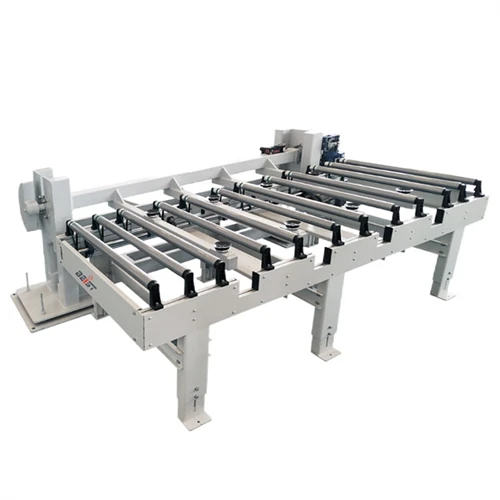
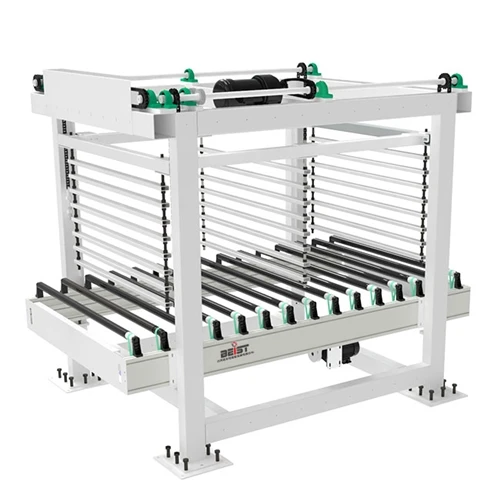
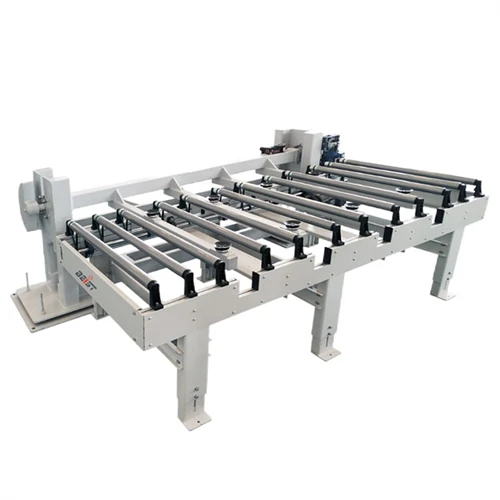
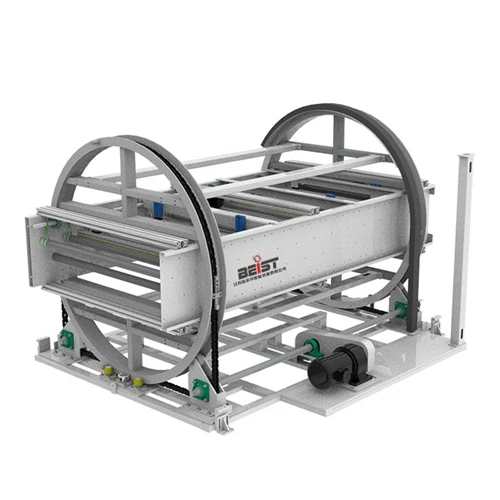
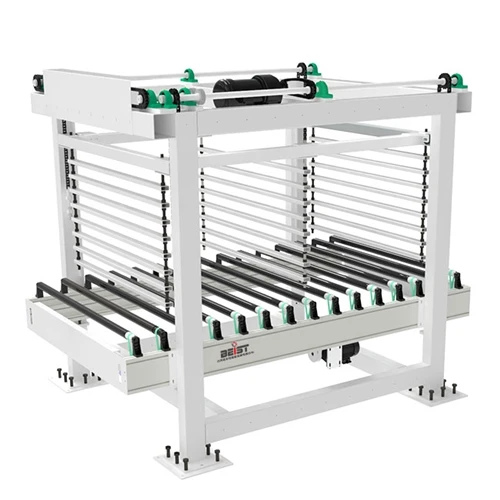
In the realm of material handling, unpowered roller conveyors stand as a cornerstone of efficiency and simplicity. As a seasoned supplier of Unpowered Roller Conveyor, I've witnessed firsthand the transformative impact these systems have on various industries. Among the many components that make up an unpowered roller conveyor, the end plates play a crucial yet often overlooked role. In this blog post, I'll delve into the significance of end plates and how they contribute to the overall functionality and performance of these conveyors.
Structural Integrity and Support
At the most fundamental level, end plates serve as the backbone of an unpowered roller conveyor. They provide a sturdy framework that holds the rollers in place and ensures the entire system remains stable and secure. By connecting the individual rollers and attaching them to the conveyor frame, end plates distribute the weight of the conveyed materials evenly across the structure. This even distribution of load prevents excessive stress on any single component, reducing the risk of premature wear and tear and extending the lifespan of the conveyor.
In addition to supporting the rollers, end plates also play a vital role in maintaining the alignment of the conveyor. Proper alignment is essential for the smooth and efficient movement of materials along the conveyor. End plates are designed to keep the rollers parallel to each other and at the correct distance apart, ensuring that the conveyed items move in a straight line without veering off course. This alignment not only improves the accuracy of material handling but also reduces the likelihood of jams and blockages, which can cause costly downtime and disruptions to operations.
Protection and Safety
Another important function of end plates is to protect the internal components of the conveyor from damage and contamination. In industrial environments, conveyors are often exposed to a variety of hazards, including dust, debris, moisture, and mechanical impact. End plates act as a barrier, shielding the rollers, bearings, and other sensitive parts from these external elements. By preventing the ingress of contaminants, end plates help to maintain the performance and reliability of the conveyor, reducing the need for frequent maintenance and repairs.
End plates also contribute to the safety of the conveyor system. They are designed to prevent objects from falling off the sides of the conveyor, reducing the risk of injury to workers and damage to nearby equipment. In addition, end plates can be equipped with safety features such as guards and covers to further enhance the protection of operators. For example, some end plates are designed with rounded edges to eliminate sharp corners and reduce the risk of cuts and abrasions. Others may be fitted with sensors or switches that detect the presence of objects or personnel near the conveyor and automatically stop the system to prevent accidents.
Customization and Adaptability
One of the key advantages of unpowered roller conveyors is their flexibility and adaptability. End plates play a crucial role in this customization process, allowing the conveyor to be tailored to the specific needs of each application. End plates can be manufactured in a variety of shapes, sizes, and materials to accommodate different types of rollers, conveyor configurations, and operating conditions.
For example, in applications where the conveyor needs to be integrated with other equipment or machinery, end plates can be designed with special cutouts or mounting holes to facilitate easy installation and connection. In addition, end plates can be customized with features such as adjustable legs or brackets to allow for height adjustment and leveling, ensuring that the conveyor can be installed on uneven surfaces or in confined spaces.
End plates can also be made from a variety of materials, including steel, aluminum, plastic, and composite materials. The choice of material depends on several factors, such as the load capacity, operating environment, and budget of the application. Steel end plates are known for their strength and durability, making them suitable for heavy-duty applications. Aluminum end plates, on the other hand, are lightweight and corrosion-resistant, making them ideal for applications where weight is a concern or where the conveyor will be exposed to moisture or chemicals. Plastic and composite end plates offer a cost-effective alternative to metal end plates, providing good strength and durability at a lower price point.
Performance Optimization
In addition to their structural and protective functions, end plates can also be used to optimize the performance of an unpowered roller conveyor. By carefully selecting the design and materials of the end plates, it is possible to improve the efficiency, speed, and reliability of the conveyor system.
For example, end plates can be designed with a special profile or shape to reduce the friction between the rollers and the conveyed materials. This can help to improve the flow of materials along the conveyor, reducing the need for additional power or force to move the items. In addition, end plates can be equipped with bearings or other low-friction components to further enhance the smoothness of the conveyor operation.
End plates can also be used to control the speed and acceleration of the conveyed materials. By adjusting the angle or slope of the end plates, it is possible to create a gentle incline or decline along the conveyor, which can help to regulate the flow of materials and prevent them from moving too quickly or too slowly. This can be particularly useful in applications where precise control of the material flow is required, such as in assembly lines or sorting systems.
Conclusion
In conclusion, the end plates of an unpowered roller conveyor play a crucial and multifaceted role in the overall performance, functionality, and safety of the system. From providing structural support and alignment to protecting the internal components and optimizing the performance, end plates are an essential component of any unpowered roller conveyor. As a supplier of Unpowered Roller Conveyor, I understand the importance of high-quality end plates in ensuring the reliability and efficiency of our products. That's why we offer a wide range of end plate options, including custom-designed solutions, to meet the specific needs of our customers.


If you're in the market for an unpowered roller conveyor or need to upgrade your existing system, I encourage you to contact us to learn more about our products and services. Our team of experts can help you select the right conveyor and end plate configuration for your application, ensuring that you get the best possible performance and value for your investment. Whether you're looking for a Conveyor Platform for Cold Press or a Gravity Roller Conveyor, we have the experience and expertise to deliver a solution that meets your needs.
References
- Groover, M. P. (2010). Automation, Production Systems, and Computer-Integrated Manufacturing. Prentice Hall.
- Niemann, G., Winter, H., & Berndt, M. (2005). Machine Elements: Volume II: Conveyor Technology, Cranes, Chain Drives, and Couplings. Springer.
- Stephens, R. (2008). Conveyor Equipment Manufacturers Association (CEMA) Standards for Conveyor Design and Application. CEMA.