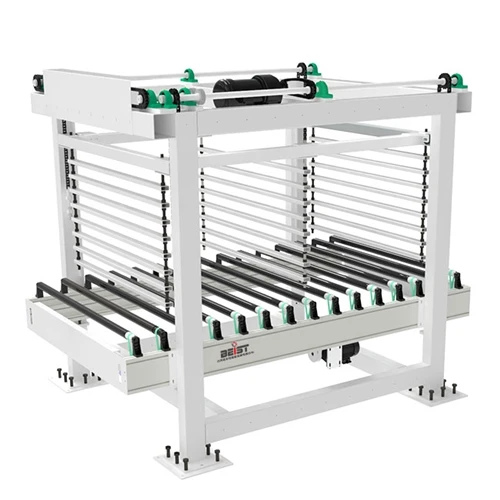
In the realm of industrial material handling, cross conveyors play a pivotal role in streamlining operations and enhancing efficiency. As a leading Cross Conveyor supplier, I've witnessed firsthand the diverse applications and challenges associated with these remarkable machines. One question that frequently arises is: What is the maximum inclination angle that a cross conveyor can handle? In this blog post, I'll delve into this topic, exploring the factors that influence the maximum inclination angle and providing insights based on our extensive experience in the industry.
Understanding Cross Conveyors
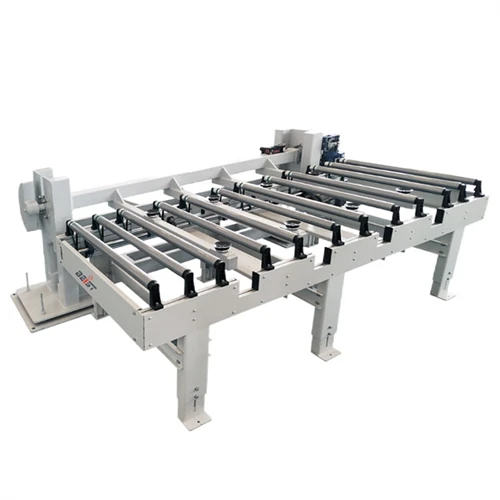
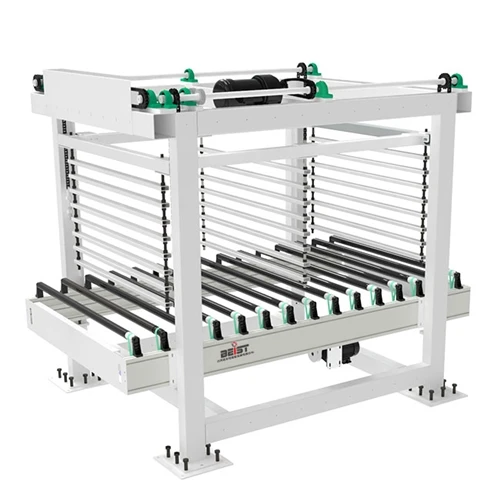
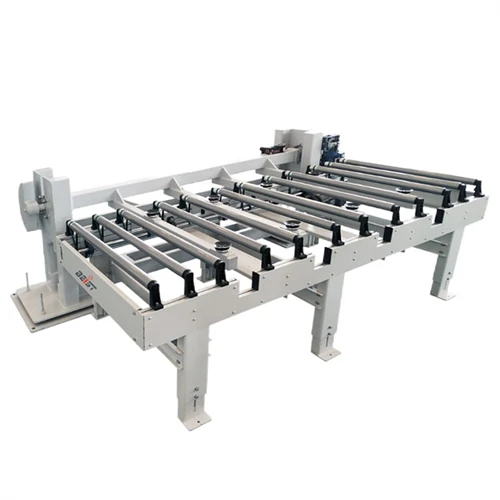
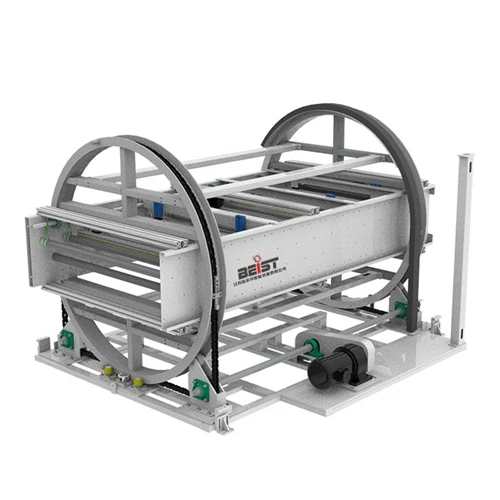
Before we dive into the maximum inclination angle, let's briefly review what cross conveyors are and how they work. A Cross Conveyor is a type of powered conveyor system designed to transport materials at a right angle to the direction of the main conveyor. This allows for efficient transfer of goods between different conveyor lines, enabling complex material handling layouts and optimizing floor space utilization.
Cross conveyors come in various configurations, including belt conveyors, roller conveyors, and chain-driven conveyors. Each type has its own advantages and limitations, depending on the specific application requirements. For example, belt conveyors are ideal for handling lightweight and flexible materials, while roller conveyors are better suited for heavier and more rigid items. Chain-driven conveyors, on the other hand, offer high load capacity and durability, making them suitable for demanding industrial environments.
Factors Affecting the Maximum Inclination Angle
The maximum inclination angle that a cross conveyor can handle depends on several factors, including the type of conveyor, the material being transported, the conveyor speed, and the design of the conveyor system. Let's take a closer look at each of these factors:


Type of Conveyor
As mentioned earlier, different types of cross conveyors have different capabilities when it comes to handling inclined surfaces. Belt conveyors, for example, are generally limited to relatively shallow inclinations due to the risk of material slippage. The maximum inclination angle for a belt conveyor typically ranges from 15 to 25 degrees, depending on the type of belt and the material being transported.
Roller conveyors, on the other hand, can handle steeper inclinations than belt conveyors. The maximum inclination angle for a roller conveyor depends on the type of rollers, the spacing between the rollers, and the design of the conveyor frame. In general, roller conveyors can handle inclinations of up to 30 degrees, although some specialized designs can handle inclinations of up to 45 degrees.
Chain-driven conveyors are the most versatile type of cross conveyor when it comes to handling inclined surfaces. They can handle inclinations of up to 90 degrees, making them suitable for vertical lifting applications. However, the maximum inclination angle for a chain-driven conveyor depends on the type of chain, the load capacity of the conveyor, and the design of the conveyor system.
Material Being Transported
The type of material being transported also plays a significant role in determining the maximum inclination angle that a cross conveyor can handle. Materials with a high coefficient of friction, such as rubber, plastic, and wood, are less likely to slip on an inclined conveyor surface than materials with a low coefficient of friction, such as metal and glass.
In addition, the shape and size of the material being transported can also affect the maximum inclination angle. Irregularly shaped materials or materials with a large surface area are more likely to tip over or slide off an inclined conveyor than materials with a regular shape and a small surface area.
Conveyor Speed
The speed of the conveyor also affects the maximum inclination angle that a cross conveyor can handle. As the conveyor speed increases, the centrifugal force acting on the material being transported also increases, making it more likely to slip or tip over. Therefore, it's important to select a conveyor speed that is appropriate for the type of material being transported and the maximum inclination angle of the conveyor.
Design of the Conveyor System
The design of the conveyor system also plays a crucial role in determining the maximum inclination angle that a cross conveyor can handle. Factors such as the type of drive system, the tensioning mechanism, and the support structure of the conveyor can all affect the stability and performance of the conveyor on an inclined surface.
For example, a conveyor with a variable frequency drive (VFD) can be adjusted to operate at different speeds, allowing for greater control over the material flow and reducing the risk of slippage or tipping. Similarly, a conveyor with a proper tensioning mechanism can ensure that the belt or chain remains taut, preventing it from sagging or slipping on an inclined surface.
Case Studies
To illustrate the importance of considering the maximum inclination angle when designing a cross conveyor system, let's take a look at a few case studies:
Case Study 1: Food Processing Industry
A food processing company was looking to upgrade its existing conveyor system to improve efficiency and reduce labor costs. The company needed a cross conveyor to transfer food products from one conveyor line to another at a 90-degree angle. The products were relatively lightweight and had a high coefficient of friction, making them suitable for a belt conveyor.
After analyzing the requirements, our team recommended a belt conveyor with a maximum inclination angle of 20 degrees. The conveyor was designed with a VFD to allow for variable speed control and a tensioning mechanism to ensure that the belt remained taut. The conveyor was also equipped with a side guide to prevent the products from slipping off the belt.
The new conveyor system was installed and commissioned successfully, and the company reported a significant improvement in efficiency and productivity. The maximum inclination angle of 20 degrees was sufficient to transfer the products from one conveyor line to another without any issues.
Case Study 2: Automotive Industry
An automotive manufacturer was looking to automate its assembly line to improve quality and reduce production time. The company needed a cross conveyor to transfer car parts from one workstation to another at a 45-degree angle. The parts were relatively heavy and had a low coefficient of friction, making them challenging to transport on an inclined conveyor.
After conducting a detailed analysis, our team recommended a chain-driven conveyor with a maximum inclination angle of 45 degrees. The conveyor was designed with a high-strength chain and a heavy-duty frame to ensure that it could handle the weight of the car parts. The conveyor was also equipped with a special coating to reduce friction and prevent the parts from slipping.
The new conveyor system was installed and commissioned successfully, and the company reported a significant improvement in quality and production time. The maximum inclination angle of 45 degrees was sufficient to transfer the car parts from one workstation to another without any issues.
Conclusion
In conclusion, the maximum inclination angle that a cross conveyor can handle depends on several factors, including the type of conveyor, the material being transported, the conveyor speed, and the design of the conveyor system. As a Cross Conveyor supplier, we understand the importance of selecting the right conveyor for your specific application requirements. Our team of experts can help you design and install a cross conveyor system that meets your needs and exceeds your expectations.
If you're interested in learning more about our Cross Conveyor products or have any questions about the maximum inclination angle, please don't hesitate to contact us. We'd be happy to discuss your requirements and provide you with a customized solution.
References
- Conveyor Equipment Manufacturers Association (CEMA). Conveyor Equipment Handbook.
- ASME B29.1 - Roller Chains, Attachments, and Sprockets.
- ISO 15875 - Plastics Piping Systems for Hot and Cold Water Installations - Polypropylene (PP).