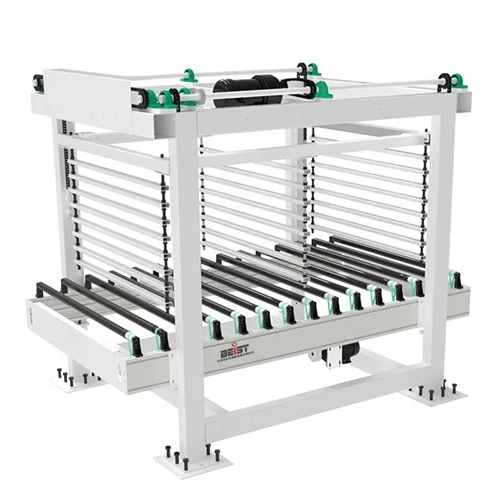
Hey there! As a supplier of Air Flotation Table Conveyors, I often get asked about the maximum continuous operation time of these nifty machines. So, I thought I'd dive deep into this topic and share all the ins and outs with you.


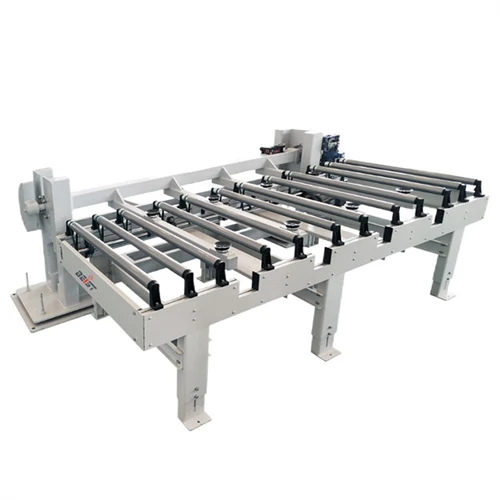
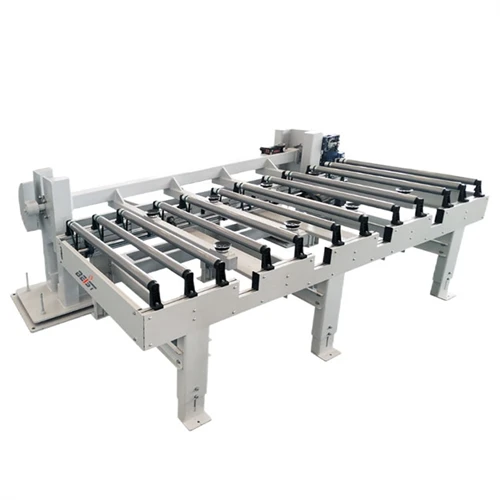
Let's first understand what an Air Flotation Table Conveyor is. It's a type of conveyor that uses air to float the objects being transported. This reduces friction significantly, which is great for handling delicate items or those that need to be moved smoothly. The system works by blowing air through small holes in a flat surface, creating a cushion of air on which the load can glide.
Now, when it comes to the maximum continuous operation time, there isn't a one - size - fits - all answer. It depends on several factors.
Factors Affecting Continuous Operation Time
1. Quality of Components
The quality of the components used in the Air Flotation Table Conveyor plays a huge role. High - quality motors, air blowers, and control systems are built to last. For instance, if you use a cheap motor, it might overheat after a few hours of continuous operation. On the other hand, a top - notch motor can run for days without any issues. We always make sure to use the best components in our conveyors to ensure long - term performance.
2. Maintenance
Regular maintenance is key to extending the continuous operation time. Just like a car, an Air Flotation Table Conveyor needs to be serviced regularly. This includes cleaning the air holes to prevent blockages, checking the belts and chains for wear and tear, and lubricating moving parts. If you neglect maintenance, you'll likely run into problems sooner rather than later. For example, a blocked air hole can disrupt the air cushion, causing the load to drag and putting extra stress on the conveyor.
3. Load Capacity
The amount of weight the conveyor is carrying also affects how long it can run continuously. If you're constantly overloading the conveyor, it'll have to work harder, which can lead to premature wear and overheating. Each Air Flotation Table Conveyor has a specified load capacity, and it's important to stay within that limit. For example, if your conveyor is rated for 500 pounds, don't try to push it to carry 700 pounds.
4. Operating Environment
The environment in which the conveyor is operating matters a lot. If it's in a dusty or dirty area, the air intake of the blowers can get clogged, reducing the efficiency of the air cushion. High temperatures can also cause components to overheat more quickly. On the other hand, a clean, cool environment can help the conveyor run smoothly for longer periods.
Typical Continuous Operation Times
Based on our experience and the feedback from our customers, under normal operating conditions and with proper maintenance, an Air Flotation Table Conveyor can run continuously for about 24 - 72 hours. This is a general range, and some well - maintained conveyors can even run for longer.
Let's break it down a bit further. If the conveyor is handling light loads, say up to 20% of its maximum capacity, and is in a clean, cool environment, it can easily run for 72 hours or more. For medium - sized loads (around 50% of the capacity), you're looking at about 48 hours of continuous operation. And if it's constantly handling heavy loads (close to the maximum capacity), it's best to limit the continuous operation to about 24 hours.
Comparison with Other Conveyor Types
It's interesting to compare the continuous operation time of Air Flotation Table Conveyors with other types of conveyors. For example, a Conveyor Crossover Bridge is designed more for transferring items between different conveyor lines. Its continuous operation time is usually shorter, often around 12 - 24 hours, mainly because it's not built for long - term, high - volume continuous use.
A Roller Transfer Cart On Rail has a different operating pattern. It's more of a point - to - point transfer system. While it can run continuously for a while, its operation is often intermittent, and its continuous operation time is typically in the range of 24 - 48 hours, depending on the load and maintenance.
Tips to Maximize Continuous Operation Time
If you want to get the most out of your Air Flotation Table Conveyor, here are some tips:
- Invest in Quality: Don't skimp on the conveyor. A high - quality conveyor might cost more upfront, but it'll save you money in the long run by reducing downtime and repair costs.
- Follow a Maintenance Schedule: Set up a regular maintenance schedule and stick to it. This can include daily visual inspections, weekly cleaning, and monthly in - depth maintenance checks.
- Monitor the Load: Keep an eye on the weight of the items being transported. If you notice that you're consistently close to or over the load capacity, consider upgrading to a larger conveyor.
- Control the Environment: Try to keep the operating environment clean and cool. You can use air filters to reduce dust intake and install fans or air conditioning if necessary.
Conclusion
So, there you have it! The maximum continuous operation time of an Air Flotation Table Conveyor depends on a variety of factors, but with the right components, proper maintenance, and careful operation, you can get a good 24 - 72 hours of continuous use.
If you're in the market for an Air Flotation Table Conveyor or have any questions about our products, we'd love to hear from you. Feel free to reach out to us for more information and to discuss your specific requirements. We're here to help you find the perfect conveyor solution for your business.
References
- Industry standards for conveyor operation and maintenance
- Customer feedback and case studies from our Air Flotation Table Conveyor installations