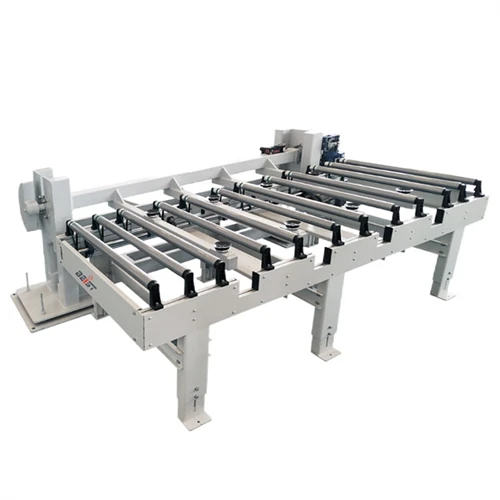
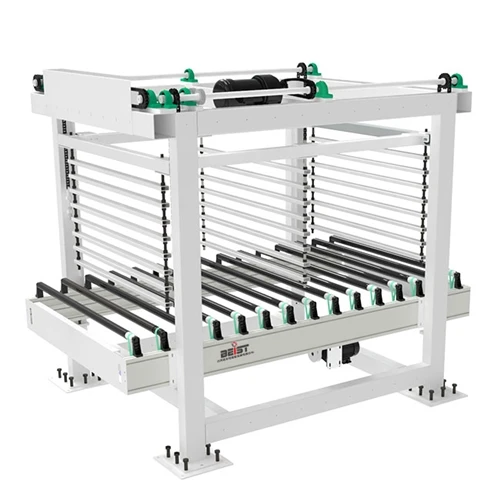
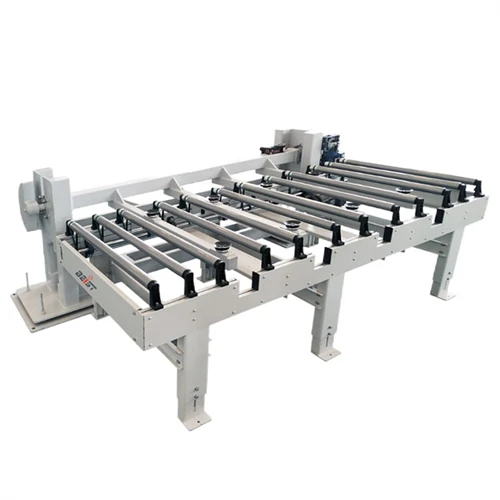
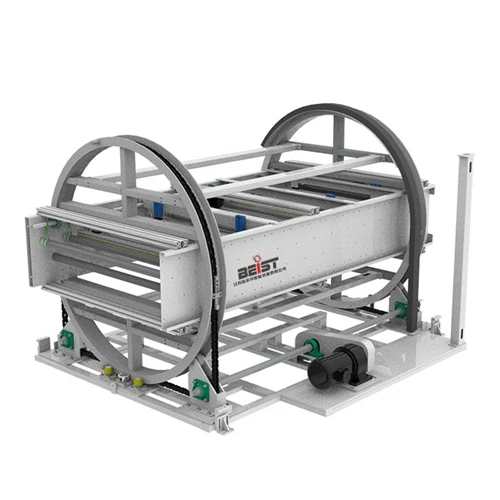
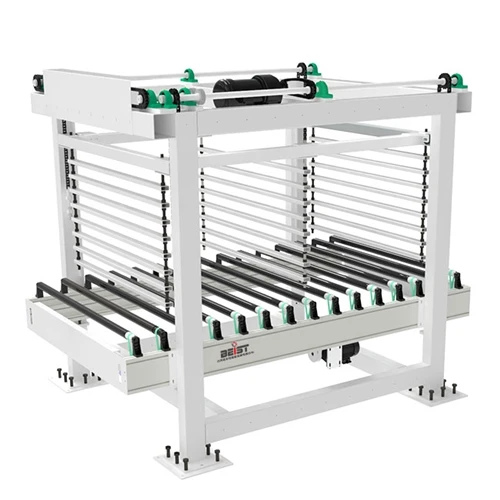
In the world of material handling, cross conveyors play a pivotal role in facilitating the smooth and efficient movement of goods across various industries. As a leading supplier of cross conveyors, I've witnessed firsthand the critical impact that conveyor length can have on the overall performance of these systems. In this blog post, I'll delve into the intricate relationship between conveyor length and cross conveyor performance, exploring how different lengths can affect throughput, stability, and operational efficiency.
Throughput and Capacity
One of the most significant ways in which conveyor length influences cross conveyor performance is through its impact on throughput and capacity. Throughput refers to the amount of material that can be transported by the conveyor system within a given time frame, while capacity refers to the maximum amount of material that the conveyor can handle at any one time.


In general, longer cross conveyors have the potential to achieve higher throughputs and capacities compared to shorter ones. This is because a longer conveyor provides more space for the accumulation and movement of goods, allowing for a greater volume of material to be processed simultaneously. For example, in a large-scale distribution center, a long cross conveyor can be used to transport a continuous stream of packages from one area of the facility to another, significantly increasing the overall efficiency of the operation.
However, it's important to note that increasing the length of a cross conveyor doesn't always result in a proportional increase in throughput and capacity. Other factors, such as the speed of the conveyor, the type of material being transported, and the design of the conveyor system, also play crucial roles in determining the actual throughput and capacity of the conveyor. For instance, if the conveyor is operating at a slow speed or if the material being transported is bulky or heavy, increasing the length of the conveyor may not necessarily lead to a significant increase in throughput.
Stability and Alignment
Another important aspect of cross conveyor performance that is affected by conveyor length is stability and alignment. A longer conveyor is more prone to issues such as sagging, misalignment, and vibration, which can negatively impact the smooth operation of the conveyor system and potentially cause damage to the conveyed material.
Sagging occurs when the weight of the material being transported causes the conveyor belt or rollers to bend or droop in the middle. This can lead to uneven distribution of the load, increased friction, and premature wear and tear of the conveyor components. To mitigate the risk of sagging, it's essential to ensure that the conveyor is properly supported and tensioned, especially in longer sections.
Misalignment is another common problem that can occur in longer cross conveyors. This can happen due to a variety of factors, such as improper installation, uneven floor surfaces, or excessive wear and tear of the conveyor components. Misaligned conveyors can cause the material to veer off course, leading to jams, spills, and other operational issues. To prevent misalignment, it's important to regularly inspect and adjust the conveyor alignment, and to use high-quality alignment sensors and controls.
Vibration is also a concern in longer cross conveyors, as it can cause the conveyor components to loosen, leading to increased noise, reduced efficiency, and potential damage to the conveyor system. To minimize vibration, it's important to use vibration-damping materials and to ensure that the conveyor is properly balanced and installed on a stable foundation.
Operational Efficiency and Maintenance
The length of a cross conveyor can also have a significant impact on operational efficiency and maintenance requirements. Longer conveyors typically require more energy to operate, as they need to move a greater amount of material over a longer distance. This can result in higher energy costs and a larger carbon footprint.
In addition, longer conveyors may require more frequent maintenance and repairs, as they are more exposed to wear and tear and are more likely to experience issues such as belt damage, roller failure, and motor problems. To minimize maintenance requirements and ensure the long-term reliability of the conveyor system, it's important to use high-quality components, follow a regular maintenance schedule, and train the operators on proper conveyor maintenance procedures.
Choosing the Right Conveyor Length
Given the various factors that are affected by conveyor length, it's crucial to choose the right length for your cross conveyor system based on your specific application requirements. Here are some key considerations to keep in mind when selecting the conveyor length:
- Throughput and capacity requirements: Determine the amount of material that needs to be transported and the desired throughput and capacity of the conveyor system. This will help you determine the minimum length of the conveyor required to meet your production needs.
- Available space: Consider the available space in your facility and the layout of your production line. Make sure that the conveyor can be installed without causing any obstructions or interference with other equipment or processes.
- Material characteristics: Take into account the type, size, weight, and shape of the material being transported. Some materials may require a longer conveyor to ensure proper handling and transportation, while others may be better suited for a shorter conveyor.
- Operational environment: Consider the operating conditions of the conveyor system, such as temperature, humidity, dust, and vibration. These factors can affect the performance and durability of the conveyor components, and may require special design considerations or additional protective measures.
Conclusion
In conclusion, the length of a cross conveyor has a significant impact on its performance, including throughput, stability, operational efficiency, and maintenance requirements. As a cross conveyor supplier, I understand the importance of choosing the right conveyor length for your specific application to ensure optimal performance and reliability.
If you're in the market for a cross conveyor system, I encourage you to contact us to discuss your requirements and learn more about our range of high-quality cross conveyors. Our team of experts will work closely with you to design and customize a conveyor system that meets your exact needs and budget. We also offer comprehensive installation, maintenance, and support services to ensure the long-term success of your conveyor system.
Don't let the wrong conveyor length hold you back from achieving your production goals. Contact us today to take the first step towards a more efficient and reliable material handling solution.
References
- Groover, M. P. (2010). Automation, Production Systems, and Computer-Integrated Manufacturing. Prentice Hall.
- Khurmi, R. S., & Gupta, J. K. (2005). A Textbook of Machine Design. S. Chand & Company.
- Niemann, G., & Winter, H. (2004). Machine Elements: Volume 1: Connecting Elements, Shaft-Hub Connections, Bearings, Seals. Springer.