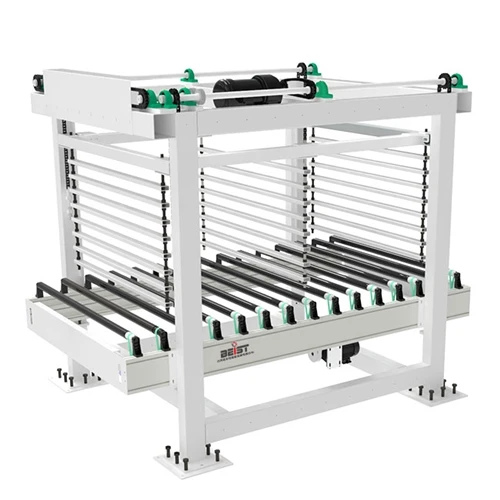
Hey there! As a supplier of cross conveyors, I've had my fair share of experiences and insights into how different factors can affect their performance. One question that often pops up is, "What is the impact of material density on the transportation capacity of a cross conveyor?" Well, let's dig into this topic and find out.
First off, let's talk about what material density actually means. Material density is basically how much mass a material has per unit volume. In simpler terms, it tells you how heavy a certain amount of the material is. For example, a block of lead is much denser than a block of wood of the same size because lead has more mass packed into that volume.
Now, how does this density thing affect the transportation capacity of a cross conveyor? Well, the transportation capacity of a cross conveyor refers to how much material it can move from one place to another within a given time. And material density plays a crucial role here.
When the material you're transporting is of high density, it means each unit volume of that material is heavier. This can put more stress on the conveyor belt and the overall structure of the cross conveyor. The motor that drives the conveyor has to work harder to move the heavier load. If the motor isn't powerful enough, it might struggle to keep the conveyor running at a consistent speed, or it could even overheat and break down.
Let's say you're using a cross conveyor to transport steel bars, which are pretty dense. The conveyor has to be able to handle the weight of these bars without sagging or getting damaged. If the conveyor isn't designed to handle high - density materials, you might run into problems like the belt stretching or the rollers wearing out quickly.
On the other hand, if you're transporting low - density materials like foam blocks, the situation is quite different. The conveyor doesn't have to work as hard because the load is lighter. This means the motor can operate more efficiently, and there's less wear and tear on the conveyor components. You can even potentially run the conveyor at a higher speed because it's not under as much stress.
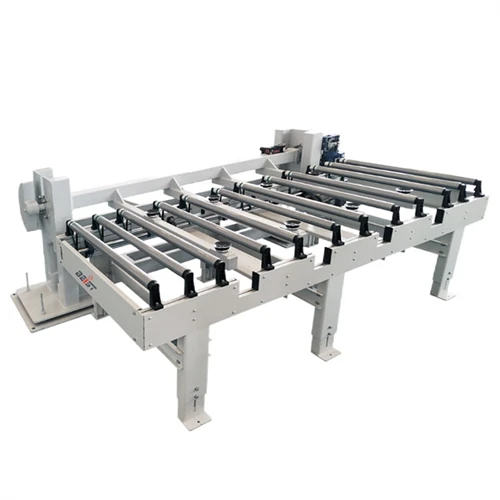
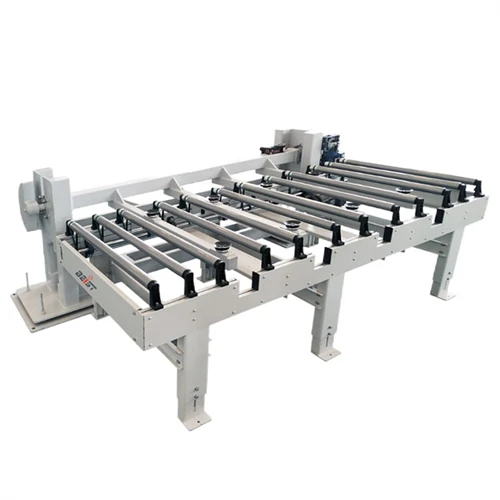
But it's not just about the motor and the belt. The design of the cross conveyor also matters a lot. For high - density materials, you might need a conveyor with a stronger frame and thicker belts. The rollers should be able to support the heavy load without deforming. Some cross conveyors are specifically designed to handle high - density materials, like our Cross Conveyor with Rotation Function. This conveyor is built with robust materials and a powerful motor to ensure it can handle the toughest jobs.


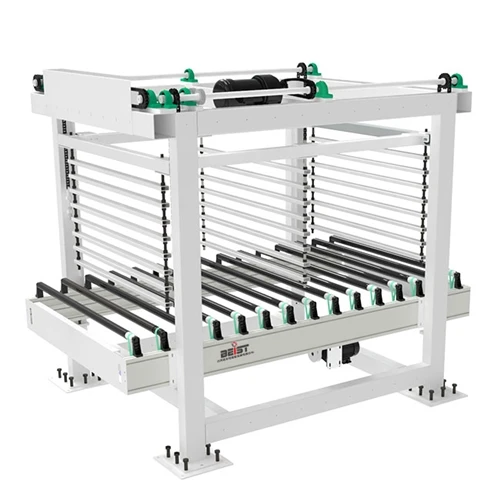
When it comes to low - density materials, you can use a more lightweight and cost - effective conveyor design. Our Powered Roller Conveyor - Lean is a great option for transporting low - density items. It's designed to be efficient and affordable, perfect for industries that deal with light materials.
Another aspect to consider is the flow rate. The density of the material can also affect how smoothly it flows on the conveyor. High - density materials might be more likely to stick together or pile up, especially if they're in a granular form. This can cause blockages and disrupt the transportation process. You might need to use additional equipment like vibrators or agitators to keep the material flowing evenly.
Low - density materials, on the other hand, are more likely to be affected by air currents or vibrations. They can easily be blown off the conveyor if it's not properly enclosed. So, you might need to design the conveyor with side guards or a cover to prevent the material from being lost.
Now, let's talk about the impact on the overall efficiency of the production line. If the cross conveyor isn't able to handle the material density properly, it can slow down the entire production process. For example, if the conveyor keeps breaking down because it's overloaded with high - density material, you'll have to stop production to make repairs. This can lead to lost time and increased costs.
On the other hand, if you choose the right conveyor for the material density, you can improve the efficiency of the production line. The conveyor will run smoothly, and you can move more material in less time. This can increase your productivity and ultimately your profits.
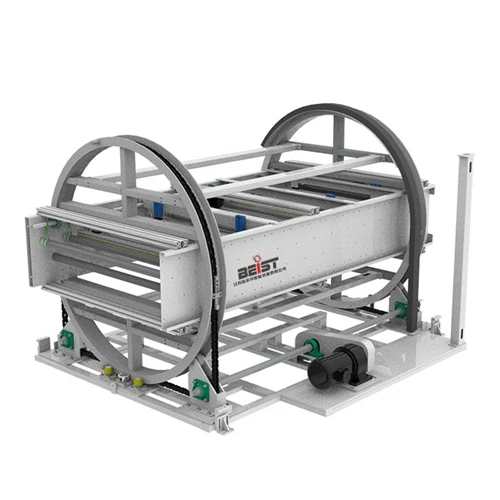
We also have a Single Arm Panel Over Turner in our product range. This can be a great addition to your cross conveyor system, especially when you need to handle materials that require special orientation or turning. It can work in harmony with the cross conveyor, regardless of whether you're dealing with high - or low - density materials.
In conclusion, material density has a significant impact on the transportation capacity of a cross conveyor. It affects everything from the motor performance and the wear and tear of the conveyor components to the flow rate and the overall efficiency of the production line. As a cross conveyor supplier, we understand these challenges and have a range of products to suit different material densities.
If you're in the market for a cross conveyor or need to upgrade your existing system, we're here to help. We can provide you with expert advice on choosing the right conveyor for your specific needs. Whether you're dealing with high - density metals or low - density plastics, we have the solution. Don't hesitate to reach out to us for a consultation and let's discuss how we can optimize your material transportation process.
References
- "Conveyor Belt Handbook" - A comprehensive guide on conveyor systems and their operation.
- Industry research reports on material handling and conveyor technology.