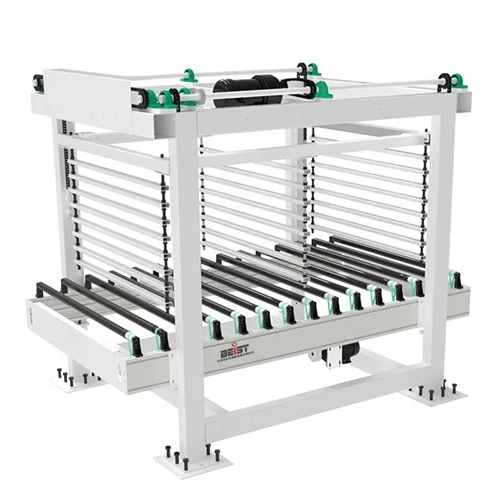
When it comes to industrial equipment, the ease of maintenance is a crucial factor that can significantly impact the efficiency and cost - effectiveness of operations. As a supplier of Lifting Tables with Forklift, I've had extensive experience with these machines and understand the importance of maintenance - friendliness.
Understanding the Lifting Table with Forklift
A Lifting Table with Forklift is a versatile piece of equipment commonly used in warehouses, manufacturing plants, and distribution centers. It combines the functionality of a lifting table, which can raise and lower loads to different heights, with the maneuverability of a forklift. This allows for seamless transfer of heavy or bulky items between different levels, streamlining the material handling process.
The main components of a Lifting Table with Forklift typically include a hydraulic system, a sturdy frame, forks for load handling, and a control mechanism. Each of these components plays a vital role in the overall performance of the equipment, and their proper maintenance is essential for its long - term functionality.
Factors Affecting the Ease of Maintenance
1. Design and Accessibility
One of the primary factors that determine the ease of maintenance is the design of the Lifting Table with Forklift. A well - designed machine will have easily accessible components. For example, the hydraulic reservoir should be located in a place where it can be easily reached for fluid checks and refills. Similarly, the control panel should be accessible for troubleshooting and software updates.
In our Lifting Tables with Forklift, we prioritize accessibility. We design the frames in such a way that major components like the hydraulic cylinders and pumps can be reached without the need for extensive disassembly. This not only saves time during maintenance but also reduces the risk of damage to other parts of the machine during the process.
2. Quality of Components
The quality of the components used in the Lifting Table with Forklift also has a significant impact on maintenance. High - quality components are less likely to fail, which means fewer repairs and replacements. For instance, using a high - grade hydraulic pump can reduce the frequency of breakdowns compared to a lower - quality one.
We source our components from reputable manufacturers known for their reliability. This ensures that our Lifting Tables with Forklift have a longer lifespan and require less maintenance over time. Additionally, high - quality components are often easier to service because they are designed with durability and ease of repair in mind.
3. Standardization
Standardization of parts is another important aspect of maintenance. When a Lifting Table with Forklift uses standardized components, it becomes easier to find replacement parts. This reduces the downtime associated with waiting for a custom - made part to be manufactured.
In our products, we follow industry - wide standards for component design and sizing. This means that if a part needs to be replaced, it can often be sourced from multiple suppliers, ensuring quick availability and cost - effective maintenance.
Maintenance Tasks for a Lifting Table with Forklift
1. Hydraulic System Maintenance
The hydraulic system is the heart of a Lifting Table with Forklift. Regular maintenance of this system is crucial for its proper functioning. This includes checking the hydraulic fluid level and quality on a regular basis. Low fluid levels can cause the pump to overheat and fail, while contaminated fluid can damage the hydraulic cylinders and valves.

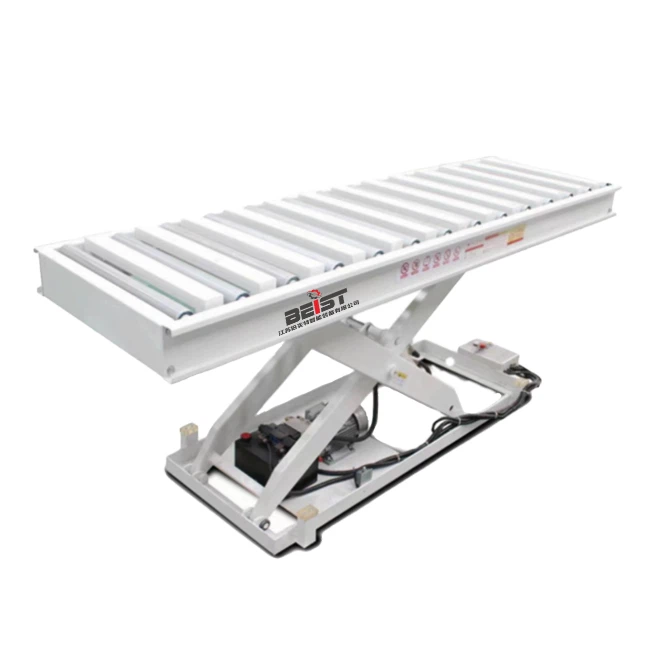
We recommend changing the hydraulic fluid at regular intervals as specified in the user manual. Additionally, the hydraulic filters should be replaced periodically to prevent debris from entering the system.
2. Structural Inspection
The frame and forks of the Lifting Table with Forklift need to be inspected regularly for signs of wear and tear. Cracks, bends, or excessive corrosion can compromise the structural integrity of the machine. Any damaged parts should be repaired or replaced immediately to ensure safe operation.
We provide detailed inspection guidelines to our customers to help them identify potential issues early. Our Lifting Tables with Forklift are also designed with reinforced frames to withstand heavy loads and reduce the risk of structural damage.
3. Control System Check
The control system of the Lifting Table with Forklift is responsible for operating the machine safely and efficiently. Regular checks of the control panel, sensors, and wiring are necessary to ensure that the machine responds correctly to commands.
If there are any error messages or malfunctions in the control system, it is important to have a qualified technician diagnose and repair the issue. Our products come with user - friendly control systems that are designed to be easily maintained and troubleshot.
Comparing with Related Products
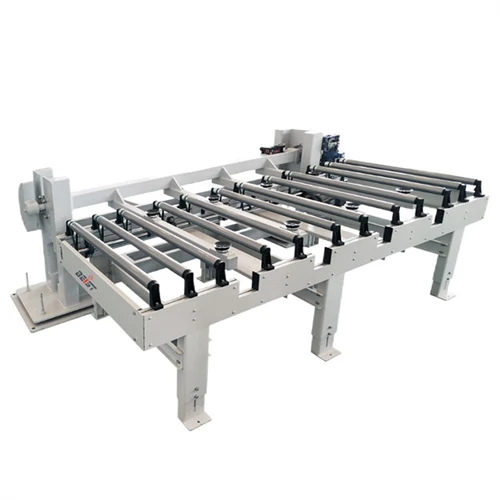
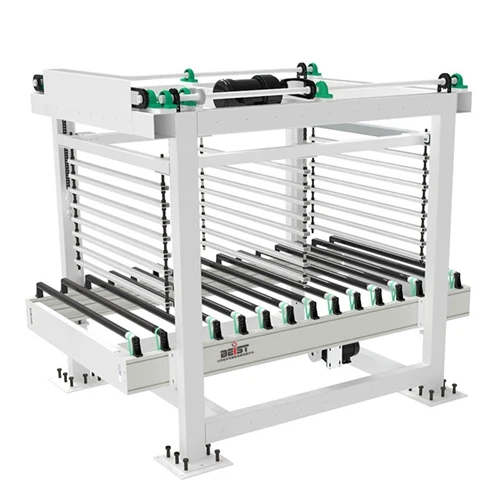
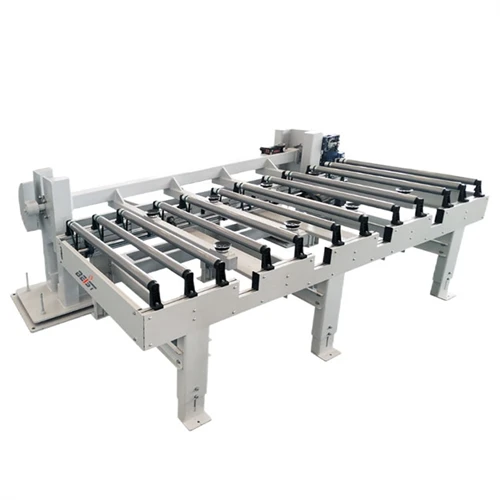
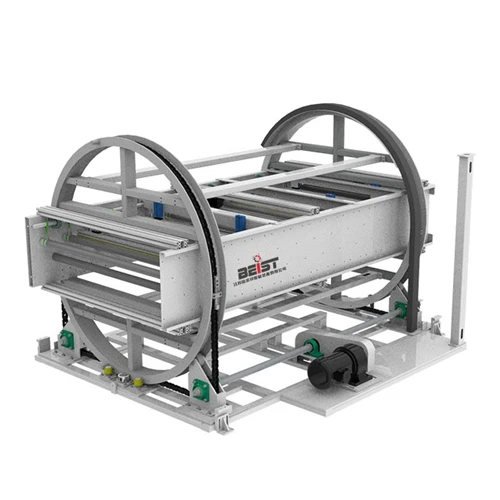
When considering the ease of maintenance, it's also useful to compare the Lifting Table with Forklift with related products such as the Powered Roller Conveyor Lift Table, Lifting Table with Roller Conveyor, and Lift Table with Conveyor Top.
These related products have their own unique maintenance requirements. For example, the conveyor systems in these products need to be regularly cleaned and lubricated to ensure smooth operation. However, the basic principles of maintenance, such as checking fluid levels, inspecting structural components, and testing control systems, still apply.
In general, the Lifting Table with Forklift may be easier to maintain in some aspects because it has fewer moving parts compared to the conveyor - equipped lift tables. However, each product is designed for specific applications, and the ease of maintenance should be evaluated based on the specific needs of the user.
Conclusion and Call to Action
In conclusion, the ease of maintenance of a Lifting Table with Forklift is influenced by several factors, including design, component quality, and standardization. As a supplier, we are committed to providing products that are not only reliable but also easy to maintain. Our focus on high - quality components, accessible design, and standardization ensures that our customers can keep their Lifting Tables with Forklift in optimal condition with minimal effort and cost.
If you are in the market for a Lifting Table with Forklift or any of our related products, such as the Powered Roller Conveyor Lift Table, Lifting Table with Roller Conveyor, or Lift Table with Conveyor Top, we encourage you to contact us for a detailed discussion about your requirements. Our team of experts can provide you with all the information you need to make an informed decision and ensure that you get the best - suited equipment for your operations.
References
- "Industrial Material Handling Equipment Maintenance Guide", Industry Press, 20XX
- "Hydraulic System Basics and Maintenance", Hydraulics Journal, 20XX
- "Structural Integrity in Material Handling Equipment", Engineering Review, 20XX