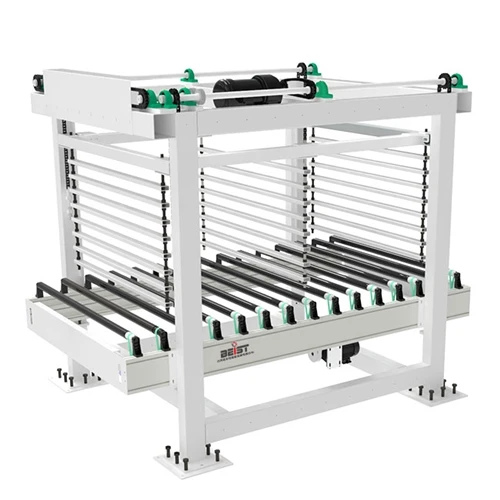
As a supplier of Ball Transfer Table Conveyors, I often get asked about the dust-proof performance of these remarkable pieces of equipment. In this blog, I'll delve into the intricacies of the dust-proof capabilities of ball transfer table conveyors, explaining what factors contribute to it and why it matters in various industrial applications.
Understanding Ball Transfer Table Conveyors
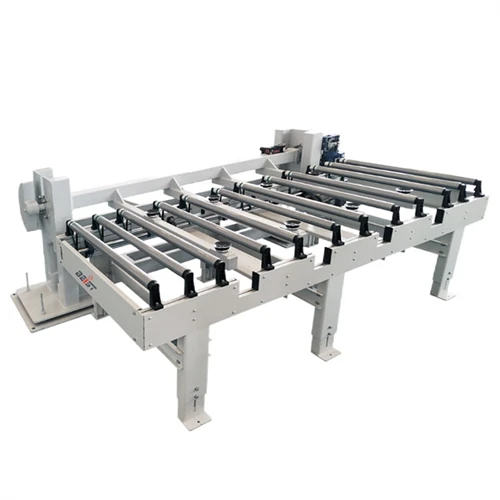
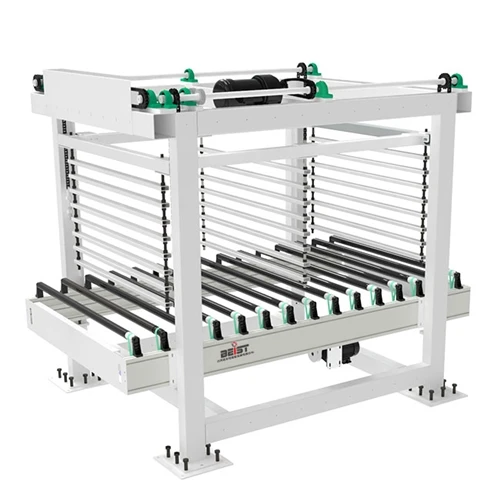
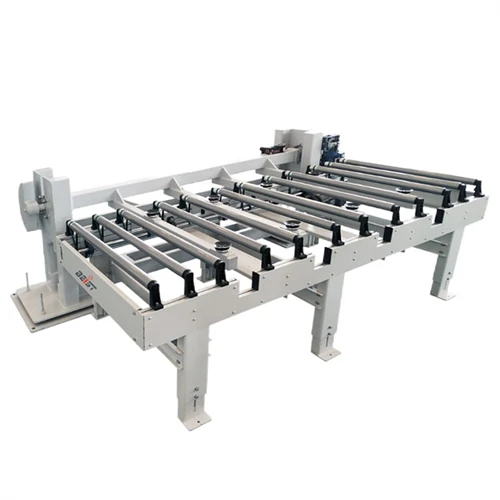
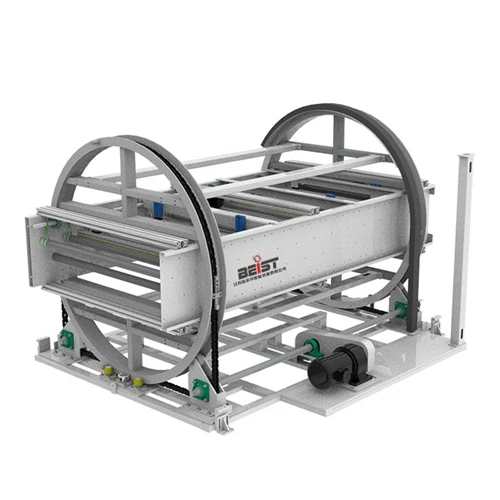
Before we jump into the dust-proof performance, let's briefly understand what a Ball Transfer Table Conveyor is. These conveyors are designed to provide smooth and flexible movement of loads in multiple directions. They consist of a series of small balls mounted in a housing, allowing items to be easily maneuvered across the surface. Ball transfer table conveyors are widely used in industries such as manufacturing, warehousing, and logistics, where efficient material handling is crucial.
Importance of Dust-Proof Performance
Dust is a common problem in many industrial environments. It can come from various sources, such as manufacturing processes, construction activities, or simply the surrounding environment. When dust accumulates on conveyor systems, it can cause a range of issues.
Firstly, dust can affect the performance of the conveyor. It can get into the moving parts, such as the ball bearings, and cause increased friction. This not only reduces the efficiency of the conveyor but also leads to premature wear and tear of the components. Over time, this can result in costly repairs and replacements.
Secondly, dust can contaminate the products being transported on the conveyor. In industries such as food processing, pharmaceuticals, and electronics, even a small amount of dust can compromise the quality and safety of the products. This can lead to product recalls, customer dissatisfaction, and potential legal issues.
Finally, dust in the workplace can pose a health hazard to employees. Inhaling dust particles can cause respiratory problems, allergies, and other health issues. Maintaining a dust-free environment is not only important for the proper functioning of the equipment but also for the well-being of the workers.
Factors Affecting Dust-Proof Performance
Several factors contribute to the dust-proof performance of a ball transfer table conveyor.
1. Design of the Conveyor
The design of the conveyor plays a crucial role in its dust-proof capabilities. A well-designed conveyor will have features that prevent dust from entering the internal components. For example, the housing of the ball transfer units can be sealed to minimize the entry of dust. Some conveyors also have covers or enclosures that provide an additional layer of protection against dust.

2. Material of Construction
The materials used in the construction of the conveyor can also affect its dust-proof performance. For instance, using materials that are resistant to dust adhesion can help keep the conveyor clean. Stainless steel is a popular choice for conveyor construction as it is not only durable but also has a smooth surface that is less likely to attract dust. Additionally, the use of high-quality seals and gaskets can prevent dust from seeping into the conveyor's moving parts.
3. Maintenance and Cleaning
Regular maintenance and cleaning are essential for maintaining the dust-proof performance of a ball transfer table conveyor. This includes removing any dust that has accumulated on the surface of the conveyor, as well as inspecting and cleaning the internal components. Proper lubrication of the moving parts can also help reduce friction and prevent dust from adhering to them.
Testing and Certification
To ensure the dust-proof performance of a ball transfer table conveyor, it is important to conduct proper testing. There are various industry standards and testing methods available to evaluate the dust resistance of conveyor systems. For example, the Ingress Protection (IP) rating system is commonly used to indicate the degree of protection against dust and water. A higher IP rating indicates better dust-proof performance.
Certification from recognized organizations can also provide assurance of the conveyor's dust-proof capabilities. When purchasing a ball transfer table conveyor, it is advisable to look for products that have been tested and certified to meet relevant industry standards.
Comparison with Other Conveyor Types
It's interesting to compare the dust-proof performance of ball transfer table conveyors with other types of conveyors, such as Gravity Skate Wheel Conveyor and Sorting Roller Conveyor.
Gravity skate wheel conveyors rely on skate wheels to move products. While they are generally easy to install and cost-effective, they may be more susceptible to dust accumulation. The open design of the skate wheels allows dust to enter more easily, which can affect their performance over time.
Sorting roller conveyors, on the other hand, use rollers to transport items. They are often used in high-volume sorting applications. However, the gaps between the rollers can allow dust to fall through and accumulate beneath the conveyor, which can be difficult to clean.
In comparison, ball transfer table conveyors offer better dust-proof performance due to their sealed design and the ability to minimize dust entry into the moving parts. This makes them a preferred choice in environments where dust control is critical.
Real-World Applications
The dust-proof performance of ball transfer table conveyors makes them suitable for a wide range of real-world applications.
In the food processing industry, where hygiene is of utmost importance, ball transfer table conveyors can be used to transport food products without the risk of dust contamination. Their smooth surface and dust-proof design ensure that the products remain clean and safe for consumption.
In the electronics industry, where even a small amount of dust can damage sensitive components, ball transfer table conveyors provide a reliable solution for handling electronic devices. The dust-proof features of these conveyors help protect the products from dust particles during the manufacturing and assembly processes.
In the pharmaceutical industry, ball transfer table conveyors are used to transport medications and medical supplies. The strict quality control requirements in this industry demand a high level of dust protection, which ball transfer table conveyors can provide.
Conclusion
In conclusion, the dust-proof performance of a ball transfer table conveyor is a critical factor to consider when choosing a conveyor system for your industrial application. The design, material of construction, and maintenance all play important roles in ensuring that the conveyor can effectively resist dust and operate efficiently.

Compared to other conveyor types, ball transfer table conveyors offer superior dust-proof capabilities, making them a suitable choice for industries where dust control is essential. Whether it's food processing, electronics, or pharmaceuticals, these conveyors can help maintain a clean and safe working environment while ensuring the quality of the products being transported.
If you're in the market for a ball transfer table conveyor or have any questions about their dust-proof performance, I encourage you to reach out for a detailed discussion. Our team of experts is ready to assist you in finding the right conveyor solution for your specific needs.
References
- "Conveyor Systems Handbook" - A comprehensive guide to various types of conveyor systems and their performance characteristics.
- Industry standards and guidelines related to dust control in industrial environments.