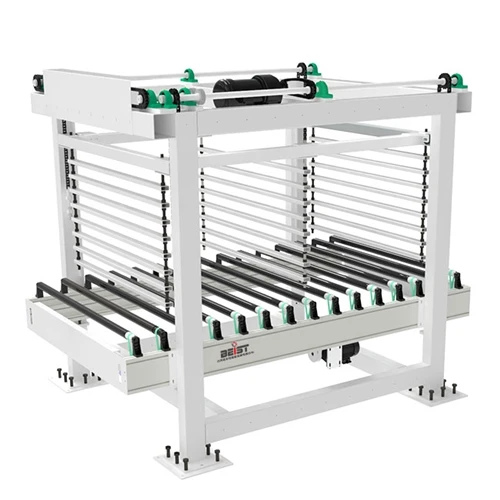
Hey there! As a supplier of Panel Storage Machines, I often get asked about the differences between different models. Well, let me break it down for you in a way that's easy to understand.


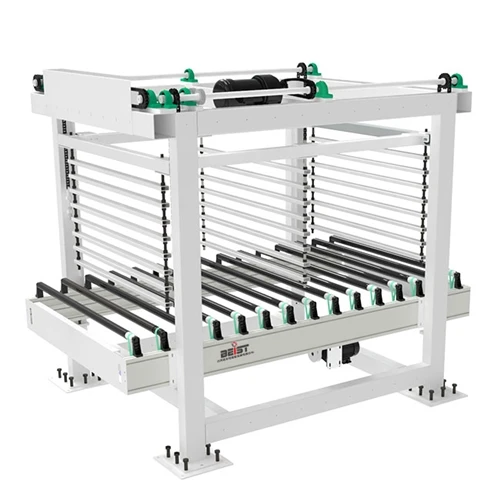
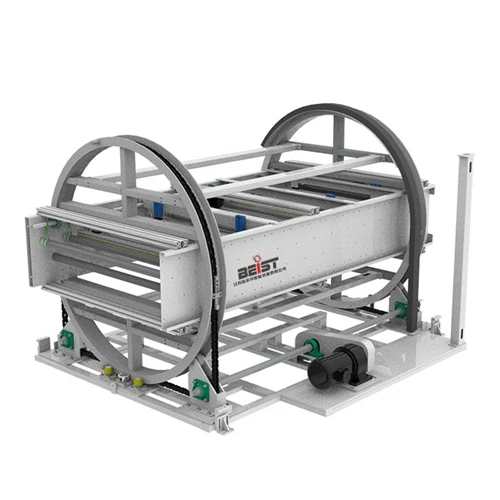
First off, we've got to talk about the features that set these models apart. One of the key factors is the storage capacity. Some models are designed for small - scale operations with limited space, while others can handle large volumes of panels. For example, our entry - level models are great for startups or small workshops. They offer a decent amount of storage but are more compact in size. On the other hand, our high - end models are like the big warehouses of the panel storage world. They can hold a ton of panels, making them perfect for large manufacturing plants.
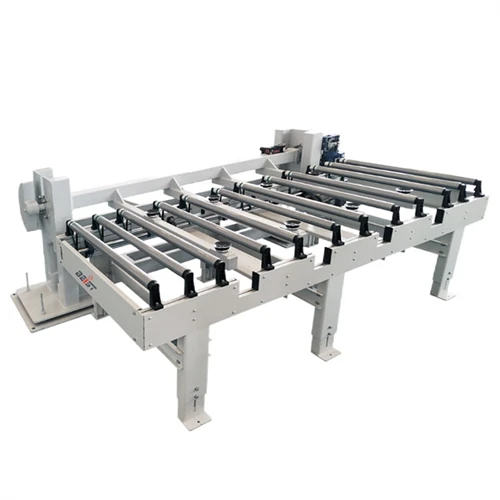
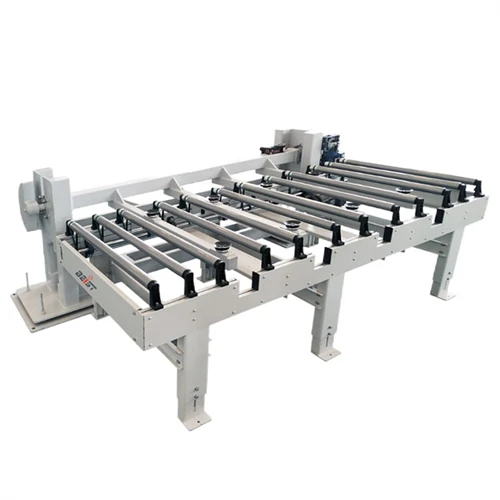
Another important difference is the type of conveyor system used. We have different powered roller conveyors that play a huge role in how the panels are moved in and out of the storage machine.
Let's start with the Powered Roller Conveyor - Lean. This type of conveyor is super efficient when it comes to saving space. It's designed in a way that the rollers are closely packed, allowing for a smooth and continuous flow of panels. It's ideal for places where every inch of space counts. The lean design also means that it's relatively lightweight, which can be a plus if you need to move the storage machine around occasionally.
Then there's the Powered Roller Conveyor - Fold. This one is a game - changer when it comes to flexibility. The conveyor can be folded, which is great for storage when not in use or for transporting the machine. It's also very easy to install and adjust according to your specific needs. If you have a dynamic workspace where the layout might change from time to time, this conveyor is a great choice.
The Powered Roller Conveyor - Gap is another option. It has gaps between the rollers, which can be useful for certain types of panels. For example, if your panels have protrusions or need some ventilation during storage, the gap conveyor allows for that. It can also help in reducing friction in some cases, leading to a longer lifespan of both the panels and the conveyor itself.
The speed of operation is also a significant difference between the models. Some of our faster models are equipped with high - performance motors and advanced control systems. These can quickly move panels in and out of storage, which is crucial for high - volume production environments. In contrast, slower models might be more suitable for operations where precision is more important than speed, like in custom - made panel manufacturing.
The level of automation is yet another factor. Some of our models come with fully automated systems. These can be programmed to sort panels based on size, type, or other criteria. They can also be integrated with other manufacturing equipment, creating a seamless production line. On the other hand, we have semi - automated models that still offer some benefits of automation but require a bit more manual intervention. This can be a good option for those on a budget or who don't need the full - scale automation.
The build quality and durability of the models vary as well. Our more expensive models are built with high - grade materials and undergo rigorous testing. They're designed to withstand heavy use over a long period. Cheaper models, while still functional, might not have the same level of durability. However, they can be a great choice for short - term projects or low - intensity use.
Now, let's talk about the ease of maintenance. Some models are designed with easy access to parts, making it simple to clean, repair, or replace components. This can save you a lot of time and money in the long run. Other models might require more complex maintenance procedures, which could be a drawback if you don't have a dedicated maintenance team.
When it comes to cost, it's no surprise that the differences in features translate into different price points. The high - end models with large storage capacities, fast operation speeds, and full automation are naturally more expensive. But they can also offer a high return on investment for large - scale operations. The more basic models are more affordable and can be a great starting point for small businesses.
So, how do you choose the right model for your needs? Well, you need to consider your specific requirements. Think about the volume of panels you need to store, the available space in your facility, the speed of operation you require, and your budget. If you're not sure, don't hesitate to reach out to us. We've got a team of experts who can help you make the right decision.
If you're interested in purchasing a Panel Storage Machine, we're here to assist you. Whether you're a small business just starting out or a large corporation looking to upgrade your storage system, we've got a model that's right for you. Contact us to start the procurement process and let's find the perfect Panel Storage Machine for your operation.
References
- Industry reports on panel storage technology
- In - house product manuals and specifications