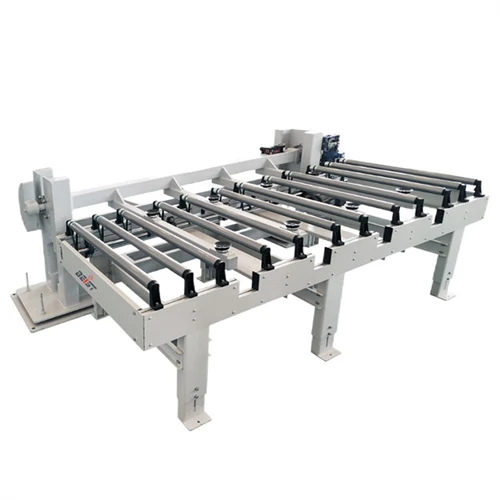
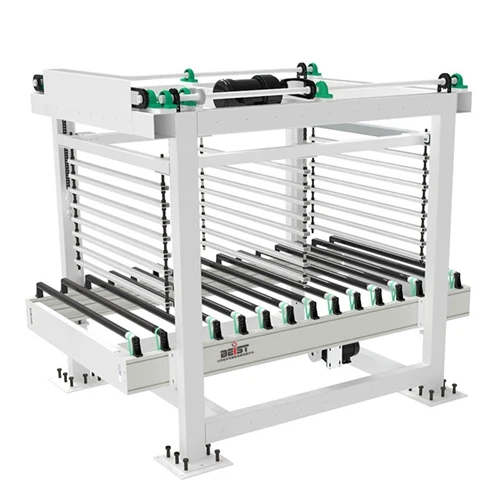
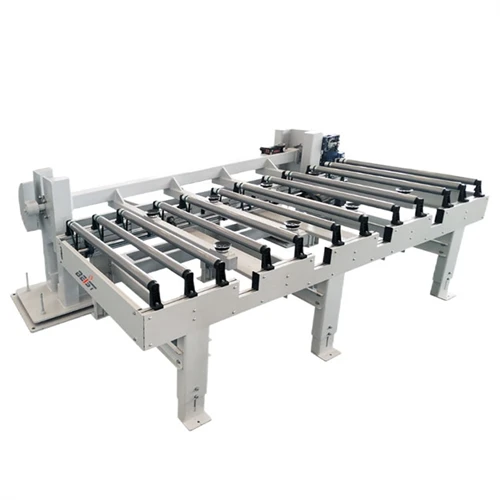
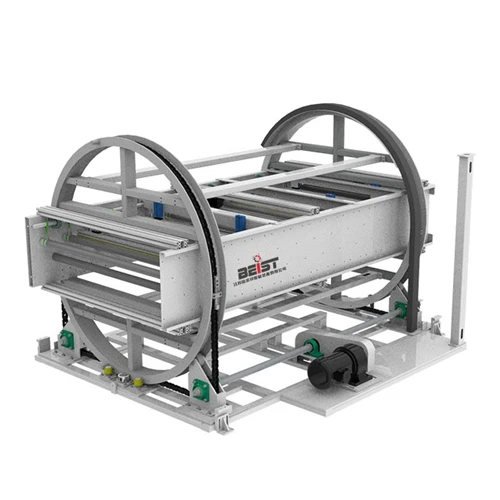
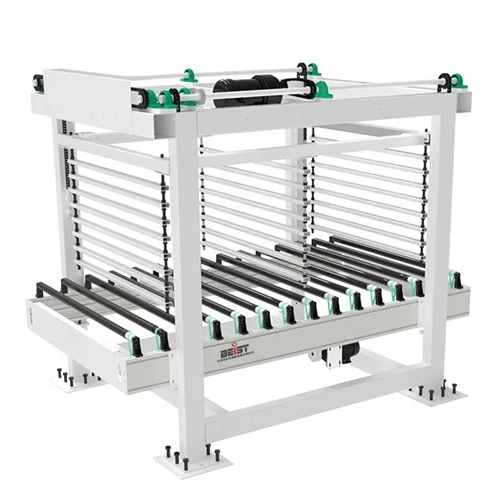
Hey there! As a supplier of Gravity Roller Conveyors, I often get asked about the anti-rust treatment of these conveyors. Rust can be a real pain in the neck, especially when it comes to industrial equipment like gravity roller conveyors. It can not only damage the appearance of the conveyor but also affect its performance and lifespan. So, let's dive into what anti-rust treatment is all about for gravity roller conveyors.
Why Anti-Rust Treatment is Necessary
First off, let's understand why we even need anti-rust treatment. Gravity roller conveyors are usually made of metal, and metal is prone to rust when it comes into contact with moisture, oxygen, and other corrosive substances. In industrial environments, there are often high levels of humidity, chemicals, and even salt in the air, which can accelerate the rusting process.


Rust can cause a whole bunch of problems. It can make the rollers sticky, which means the conveyor won't move smoothly. This can lead to jams and slow down the entire production line. Also, rust weakens the structural integrity of the conveyor. Over time, it can cause parts to break or fail, which is not only costly to repair but can also lead to safety hazards. So, anti-rust treatment is essential to keep the conveyor in top-notch condition and ensure its long-term performance.
Types of Anti-Rust Treatments
Coating
One of the most common anti-rust treatments is coating. There are different types of coatings that can be applied to gravity roller conveyors.
- Paint Coating: This is a simple and cost-effective option. Paint acts as a barrier between the metal surface and the environment, preventing moisture and oxygen from reaching the metal. There are special anti-rust paints available that are formulated to provide long-lasting protection. You can choose from different colors and finishes depending on your aesthetic and functional requirements. For example, if the conveyor is going to be used in a food processing facility, you'll need a food-grade paint that is non-toxic and meets safety standards.
- Powder Coating: Powder coating is a more durable option compared to paint. In this process, a dry powder is electrostatically applied to the conveyor surface and then baked in an oven. The powder melts and forms a hard, smooth, and protective layer. Powder coating is resistant to chipping, scratching, and fading, and it provides excellent corrosion resistance. It also gives the conveyor a more professional and modern look.
Galvanizing
Galvanizing is another popular anti-rust treatment. It involves coating the metal with a layer of zinc. Zinc is a sacrificial metal, which means it corrodes before the underlying metal. When the zinc layer is exposed to the environment, it forms a protective oxide layer that prevents further corrosion. There are two main types of galvanizing: hot-dip galvanizing and electro-galvanizing.
- Hot-Dip Galvanizing: In hot-dip galvanizing, the conveyor is immersed in a bath of molten zinc. This creates a thick and durable zinc coating that provides long-term protection against rust. Hot-dip galvanized conveyors are suitable for outdoor use or in harsh industrial environments where they are exposed to high levels of moisture and chemicals.
- Electro-Galvanizing: Electro-galvanizing is a process where a thin layer of zinc is deposited on the metal surface using an electric current. This method is more precise and can be used to coat complex shapes. However, the zinc layer is thinner compared to hot-dip galvanizing, so it may not provide as much long-term protection.
Anti-Rust Oils and Greases
Applying anti-rust oils and greases is a simple and temporary anti-rust solution. These products form a thin film on the metal surface that repels moisture and prevents rust from forming. Anti-rust oils are often used during the manufacturing process to protect the conveyor during storage and transportation. Greases can be used for lubrication as well as rust prevention, especially on the moving parts of the conveyor, such as the rollers and bearings.
Factors Affecting Anti-Rust Treatment
When choosing an anti-rust treatment for your gravity roller conveyor, there are several factors you need to consider.
- Environment: The environment in which the conveyor will be used is a crucial factor. If it's an indoor environment with low humidity and no exposure to chemicals, a simple paint coating may be sufficient. However, if the conveyor is going to be used outdoors or in a harsh industrial environment, such as a chemical plant or a coastal area, you'll need a more robust anti-rust treatment like hot-dip galvanizing.
- Cost: Cost is always a consideration. Some anti-rust treatments, like powder coating and hot-dip galvanizing, are more expensive than others. You need to balance the cost of the treatment with the level of protection it provides and the expected lifespan of the conveyor. If you're on a tight budget, a paint coating or anti-rust oil may be a more suitable option.
- Maintenance Requirements: Different anti-rust treatments have different maintenance requirements. For example, a paint coating may need to be touched up periodically, while a galvanized coating may require less maintenance. You need to consider how much time and effort you're willing to put into maintaining the conveyor to keep it rust-free.
Our Products and Anti-Rust Treatment
At our company, we take anti-rust treatment seriously. We offer a wide range of gravity roller conveyors that are treated with the latest anti-rust technologies. Whether you need a Roller Transfer Cart On Rail, a Pneumatic Roller Conveyor, or a Conveyor Platform for Cold Press, we've got you covered.
Our conveyors are either powder-coated or hot-dip galvanized, depending on the application and customer requirements. This ensures that they are protected against rust and can withstand the toughest industrial environments. We also provide anti-rust oil and grease as an additional option for customers who want extra protection during storage and transportation.
Conclusion
In conclusion, anti-rust treatment is an important aspect of maintaining the performance and lifespan of gravity roller conveyors. By choosing the right anti-rust treatment based on the environment, cost, and maintenance requirements, you can ensure that your conveyor stays rust-free and operates smoothly for years to come.
If you're in the market for a gravity roller conveyor or have any questions about anti-rust treatment, don't hesitate to reach out to us. We're here to help you find the best solution for your needs. Let's work together to keep your production line running efficiently!
References
- "Corrosion Prevention and Control in Industrial Environments" - Industrial Corrosion Handbook
- "Surface Coatings for Metal Protection" - Journal of Coating Technology and Research