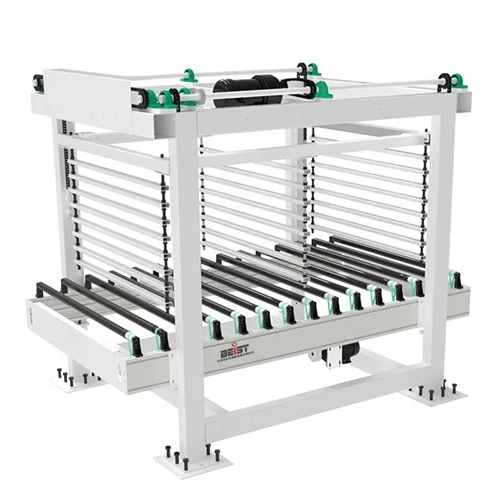
When it comes to powered roller conveyors, one of the crucial aspects that customers often consider is the width options available. As a trusted supplier of powered roller conveyors, we understand the diverse needs of our clients across various industries. In this blog post, we will delve into the different width options for powered roller conveyors, their applications, and how they can benefit your operations.
Standard Width Options
Powered roller conveyors typically come in a range of standard width options to accommodate different types of products and workflows. The most common standard widths range from 6 inches to 48 inches. These widths are designed to handle a wide variety of items, from small packages and boxes to larger pallets and industrial components.
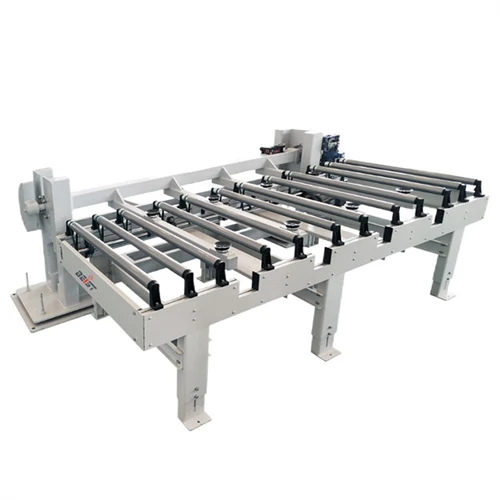
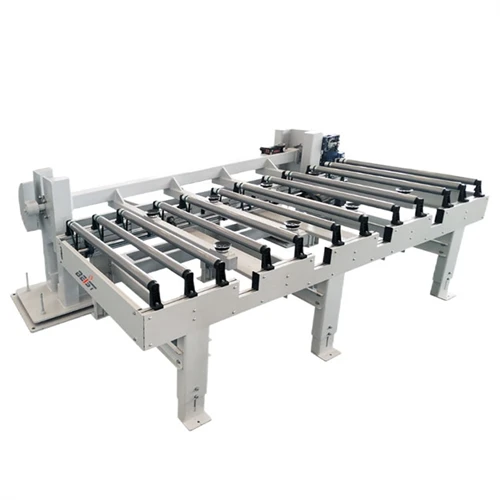
- Narrow Width Conveyors (6 - 12 inches): These conveyors are ideal for handling small and lightweight items such as electronic components, pharmaceutical products, and small packages. They are often used in industries where space is limited, such as in assembly lines and packaging operations. Narrow width conveyors can also be used in conjunction with other conveyor systems, such as Cross Conveyor, to create a more complex and efficient material handling system.
- Medium Width Conveyors (18 - 30 inches): Medium width conveyors are the most versatile option and can handle a wide range of products, including medium-sized boxes, cartons, and industrial parts. They are commonly used in distribution centers, warehouses, and manufacturing facilities. These conveyors can be configured with various types of rollers, such as gravity rollers or powered rollers, depending on the specific requirements of the application.
- Wide Width Conveyors (36 - 48 inches): Wide width conveyors are designed to handle large and heavy items, such as pallets, crates, and industrial machinery. They are often used in industries such as automotive, aerospace, and heavy manufacturing. Wide width conveyors require more robust construction and higher power motors to ensure smooth and reliable operation.
Custom Width Options
In addition to the standard width options, we also offer custom width conveyors to meet the specific needs of our clients. Custom width conveyors can be designed and manufactured to fit the exact dimensions of your products and workspace. This allows for a more efficient and tailored material handling solution.
- Benefits of Custom Width Conveyors:
- Optimized Space Utilization: Custom width conveyors can be designed to fit into tight spaces or to maximize the use of available floor space. This is particularly important in industries where space is at a premium, such as in urban warehouses or manufacturing facilities.
- Improved Product Handling: By matching the width of the conveyor to the size of the products being handled, custom width conveyors can reduce the risk of product damage and improve the overall efficiency of the material handling process.
- Enhanced Flexibility: Custom width conveyors can be easily integrated with other conveyor systems and equipment, such as Return Conveyor for Edge Banders, to create a more comprehensive and flexible material handling solution.
Factors to Consider When Choosing the Width of a Powered Roller Conveyor
When choosing the width of a powered roller conveyor, there are several factors that you need to consider:
- Product Size and Weight: The width of the conveyor should be sufficient to support the size and weight of the products being handled. It is important to ensure that the products do not overhang the edges of the conveyor, as this can cause instability and potential damage to the products.
- Throughput Requirements: The width of the conveyor can also affect the throughput of the material handling system. A wider conveyor can generally handle more products per unit of time, but it may also require more power and space. It is important to balance the throughput requirements with the available resources and budget.
- Workspace Constraints: The width of the conveyor should be compatible with the available workspace. You need to consider factors such as the height of the ceiling, the width of the aisles, and the location of other equipment and machinery.
- Future Expansion Plans: If you have plans to expand your operations in the future, it is important to choose a conveyor width that can accommodate the anticipated growth. This may involve choosing a wider conveyor or a conveyor system that can be easily expanded or modified.
Applications of Different Width Powered Roller Conveyors
The width of a powered roller conveyor can have a significant impact on its suitability for different applications. Here are some examples of how different width conveyors are used in various industries:
- E-commerce and Distribution Centers: In e-commerce and distribution centers, narrow and medium width conveyors are commonly used to handle small and medium-sized packages. These conveyors are often integrated with sorting systems and automated storage and retrieval systems to ensure efficient order fulfillment. Wide width conveyors may be used to handle larger pallets and crates in the receiving and shipping areas.
- Manufacturing Facilities: In manufacturing facilities, medium and wide width conveyors are used to transport raw materials, work-in-progress, and finished products between different stages of the production process. These conveyors can be customized with various types of rollers, sensors, and controls to meet the specific requirements of the manufacturing operation. For example, Heavy Duty Powered Roller Conveyor may be used in automotive manufacturing plants to handle heavy engine blocks and other large components.
- Food and Beverage Industry: In the food and beverage industry, narrow and medium width conveyors are used to handle packaged food products, bottles, and cans. These conveyors are often made of stainless steel or other food-grade materials to ensure compliance with hygiene standards. Wide width conveyors may be used in the processing and packaging areas to handle larger containers and pallets.
Conclusion
Choosing the right width for a powered roller conveyor is crucial for ensuring the efficiency and effectiveness of your material handling system. By considering factors such as product size, throughput requirements, workspace constraints, and future expansion plans, you can select the width that best suits your specific needs. Whether you need a standard width conveyor or a custom width conveyor, we have the expertise and experience to provide you with a high-quality solution.


If you are interested in learning more about our powered roller conveyors or would like to discuss your specific requirements, please contact us. Our team of experts will be happy to assist you in choosing the right conveyor width and configuration for your application. We look forward to working with you to optimize your material handling operations.
References
- Conveyor Equipment Manufacturers Association (CEMA). (2023). Conveyor Design Handbook.
- Groover, M. P. (2010). Automation, Production Systems, and Computer-Integrated Manufacturing. Pearson.
- MHI (Material Handling Institute). (2023). Material Handling Handbook.