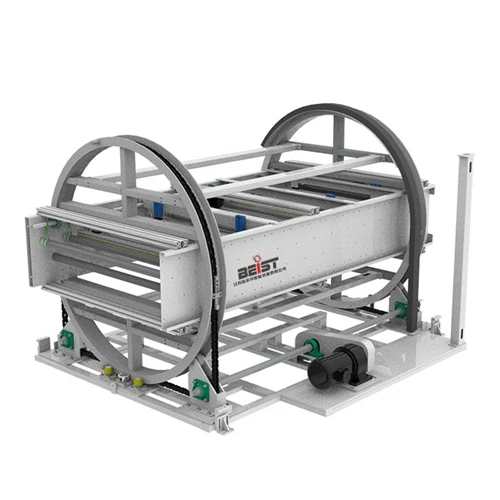
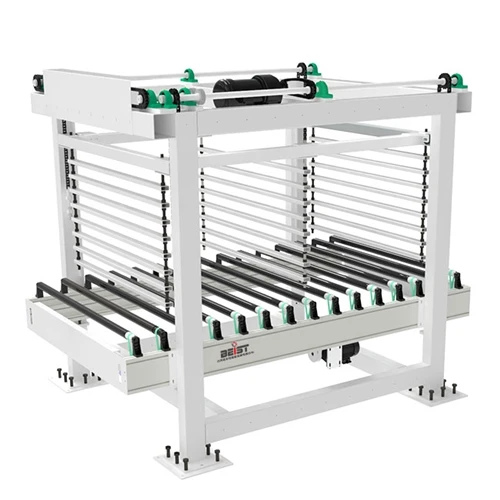
Hey there! As a turnover conveyor supplier, I've been getting a lot of questions about the wear-resistant materials used in these conveyors. So, I thought I'd write this blog to share some insights on the topic.
First off, let's understand why wear-resistant materials are so crucial in a turnover conveyor. These conveyors are constantly in motion, and they often handle heavy loads. This means that the components of the conveyor are subject to a lot of friction and abrasion. If we don't use wear-resistant materials, the conveyor parts will wear out quickly, leading to frequent breakdowns and costly repairs.
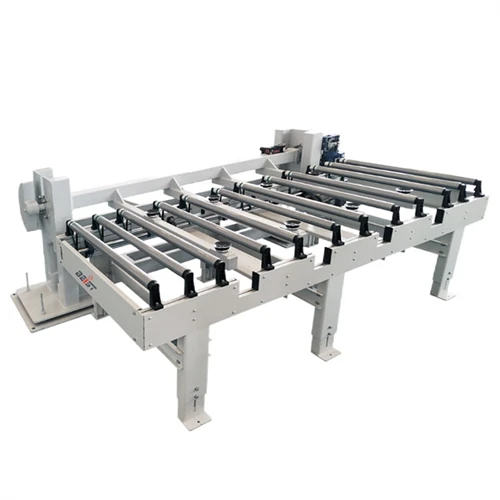
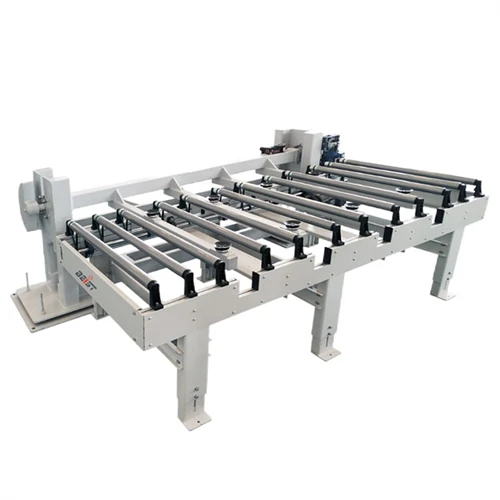
One of the most commonly used wear-resistant materials in turnover conveyors is stainless steel. Stainless steel is great because it's highly resistant to corrosion, which is important if the conveyor is used in a wet or humid environment. It also has excellent strength and durability, so it can withstand the heavy loads and constant movement. For example, the rollers in a Powered Roller Conveyor-Lean are often made of stainless steel. This ensures that they can keep rotating smoothly for a long time without getting damaged easily.
Another popular choice is high-density polyethylene (HDPE). HDPE is a type of plastic that offers good wear resistance. It's lightweight, which can reduce the overall weight of the conveyor and make it more energy-efficient. At the same time, it's also resistant to chemicals, so it can be used in environments where there might be exposure to various substances. You'll often find HDPE used in the conveyor belts of some turnover conveyors. The smooth surface of HDPE also helps in the easy movement of the products on the conveyor.
Ceramics are also emerging as a great wear-resistant material for turnover conveyors. Ceramics have extremely high hardness and can resist abrasion very well. They can handle high temperatures too, which makes them suitable for applications where the conveyor might be exposed to heat. For instance, in some industrial settings where hot materials are being transported, ceramic components can be used in the conveyor to ensure long-term performance. However, ceramics can be a bit brittle, so they need to be used carefully and designed properly to avoid breakage.
Now, let's talk about rubber. Rubber is a versatile material that can be used in different parts of a turnover conveyor. It has good shock absorption properties, which can protect the conveyor and the products being transported from sudden impacts. The rubber used in conveyors is usually specially formulated to be wear-resistant. It can be used in the drive belts or in the idlers of the conveyor. The grip provided by rubber is also beneficial as it helps in the smooth movement of the conveyor and prevents slippage.
In addition to these materials, there are also some composite materials that are being developed for use in turnover conveyors. These composites combine the best properties of different materials to offer enhanced wear resistance. For example, a composite might combine the strength of metal with the lightness and chemical resistance of plastic. This can result in a material that is both durable and efficient.
When choosing the wear-resistant materials for a turnover conveyor, we also need to consider the specific requirements of the application. If the conveyor is going to be used in a food processing plant, for example, we need to make sure that the materials are food-grade and comply with the relevant safety standards. Similarly, if the conveyor is used in a mining or heavy industrial environment, it needs to be able to withstand extremely harsh conditions.
As a turnover conveyor supplier, we take all these factors into account when designing and manufacturing our conveyors. We want to provide our customers with conveyors that are not only reliable but also cost-effective in the long run. By using the right wear-resistant materials, we can ensure that our conveyors have a long service life and require less maintenance.
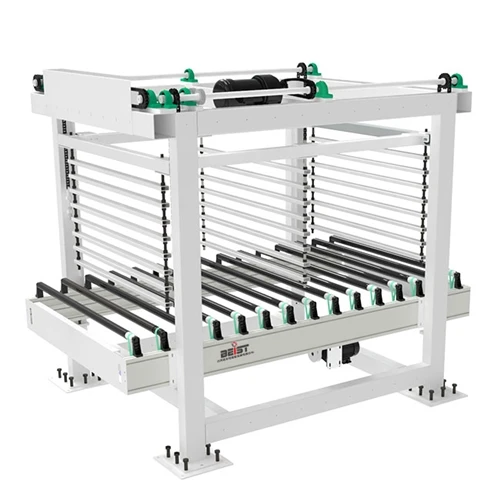
If you're in the market for a turnover conveyor or if you have any questions about the wear-resistant materials used in them, don't hesitate to get in touch with us. We're here to help you find the best solution for your specific needs. Whether you need a Powered Roller Conveyor-Centre for your warehouse or a Panel Storage Machine for your manufacturing facility, we've got you covered. Just reach out to us, and we'll start a conversation about how we can meet your requirements.
References


- General knowledge on materials science and conveyor technology
So, that's all for today's blog. I hope you found it informative. If you have any more questions or want to share your own experiences with turnover conveyors, feel free to leave a comment below. Looking forward to hearing from you!