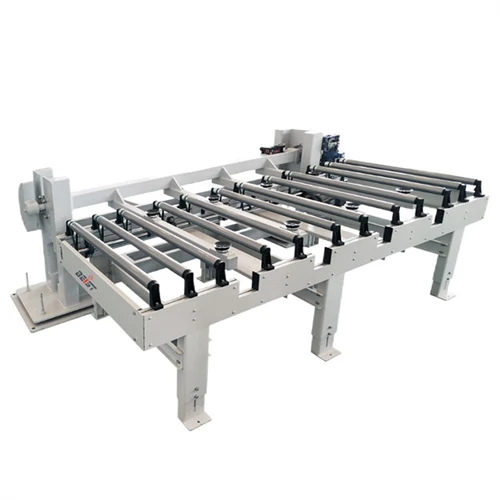
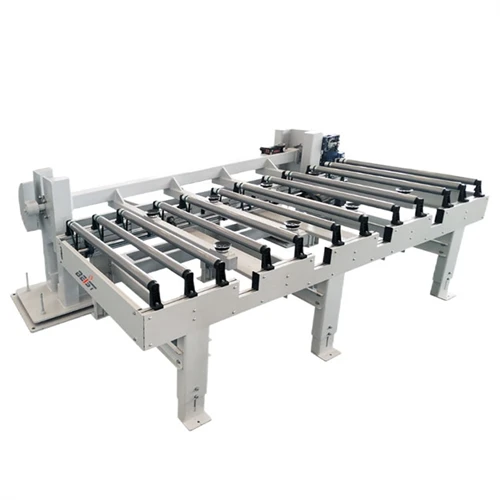
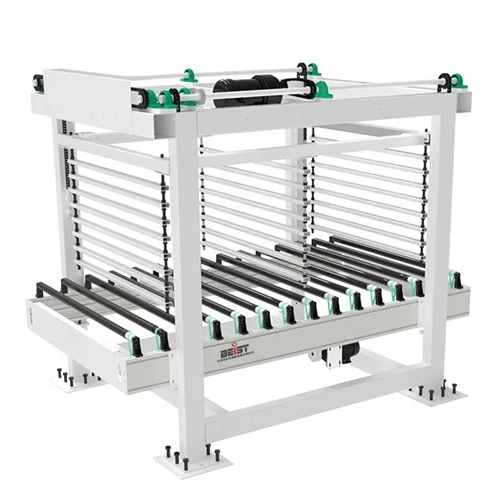
As a supplier of Powered Roller Conveyor - Fold, I understand the critical role that software plays in controlling these advanced conveyor systems. In this blog, I'll explore various software options available for controlling a Powered Roller Conveyor - Fold, highlighting their features, benefits, and use cases.
1. PLC - Based Software
Programmable Logic Controllers (PLCs) have long been the go - to solution for industrial automation, including conveyor control. PLC - based software offers a high level of reliability and flexibility.
Features
- Modularity: PLCs can be easily expanded and configured to meet the specific requirements of a Powered Roller Conveyor - Fold. You can add or remove input and output modules as needed, allowing for seamless integration with other equipment in the production line.
- Robustness: Designed to operate in harsh industrial environments, PLCs are resistant to dust, moisture, and electrical interference. This makes them ideal for controlling conveyors that are often exposed to tough conditions.
- Sequential Control: PLC - based software enables sequential control of the conveyor. You can program the conveyor to start, stop, and change speed at specific intervals or based on certain conditions, such as the presence of a product on the conveyor.
Benefits
- Cost - Effective: PLCs are relatively inexpensive compared to some other control systems, especially for small to medium - sized conveyor installations.
- Ease of Programming: Many PLC programming languages, such as ladder logic, are intuitive and easy to learn. This means that even operators with limited programming knowledge can make simple modifications to the control program.
Use Cases
- Basic Conveyor Operations: For a Powered Roller Conveyor - Fold used in a simple material handling application, such as moving products from one workstation to another, a PLC - based control system can provide reliable and straightforward control.
2. SCADA Software
Supervisory Control and Data Acquisition (SCADA) software is another popular option for controlling Powered Roller Conveyor - Folds. SCADA systems offer a high - level overview of the conveyor operation and allow for remote monitoring and control.
Features
- Real - Time Monitoring: SCADA software provides real - time data on the conveyor's operation, including speed, temperature, and the status of individual rollers. This allows operators to quickly identify and address any issues that may arise.
- Remote Access: With SCADA, operators can access the conveyor control system from anywhere with an internet connection. This is particularly useful for large - scale industrial facilities where the conveyor may be located in a different building or even a different city.
- Data Logging and Analysis: SCADA systems can log historical data on the conveyor's performance, which can be used for analysis and optimization. For example, you can analyze the conveyor's energy consumption over time to identify opportunities for energy savings.
Benefits
- Enhanced Visibility: SCADA software gives operators a comprehensive view of the conveyor system, improving overall operational efficiency.
- Predictive Maintenance: By analyzing historical data, SCADA systems can help predict when maintenance is required, reducing downtime and maintenance costs.
Use Cases
- Large - Scale Conveyor Networks: In a distribution center with multiple Powered Roller Conveyor - Folds, a SCADA system can be used to manage and coordinate the operation of all the conveyors, ensuring smooth and efficient material flow.
3. Industrial IoT - Enabled Software
The Industrial Internet of Things (IIoT) has revolutionized the way industrial equipment is controlled and monitored. IIoT - enabled software for Powered Roller Conveyor - Folds offers advanced features such as connectivity, analytics, and automation.


Features
- Connectivity: IIoT - enabled software allows the conveyor to be connected to other devices and systems in the factory, such as sensors, robots, and enterprise resource planning (ERP) systems. This enables seamless data exchange and integration across the entire production process.
- Advanced Analytics: With the help of machine learning algorithms, IIoT software can analyze large amounts of data collected from the conveyor to identify patterns and trends. This can be used to optimize conveyor performance, improve product quality, and reduce costs.
- Autonomous Operation: IIoT - enabled conveyors can be programmed to operate autonomously based on real - time data. For example, the conveyor can adjust its speed and direction based on the flow of products in the production line.
Benefits
- Improved Efficiency: By enabling real - time data exchange and automation, IIoT software can significantly improve the efficiency of the conveyor system.
- Competitive Advantage: Implementing IIoT technology in your conveyor system can give your company a competitive edge in the market by offering more advanced and intelligent solutions.
Use Cases
- Smart Factories: In a smart factory environment, where all equipment is connected and automated, an IIoT - enabled Powered Roller Conveyor - Fold can play a crucial role in ensuring seamless material flow and production efficiency.
Integration with Other Equipment
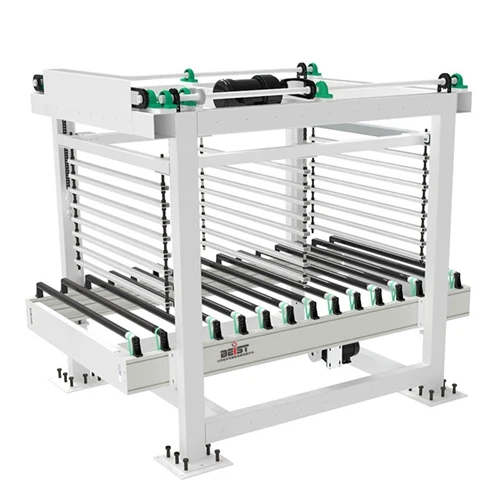
When choosing software for controlling a Powered Roller Conveyor - Fold, it's important to consider how it will integrate with other equipment in the production line. For example, if you are using an Intelligent Storage Bin, the control software should be able to communicate with the bin to ensure proper loading and unloading of products.
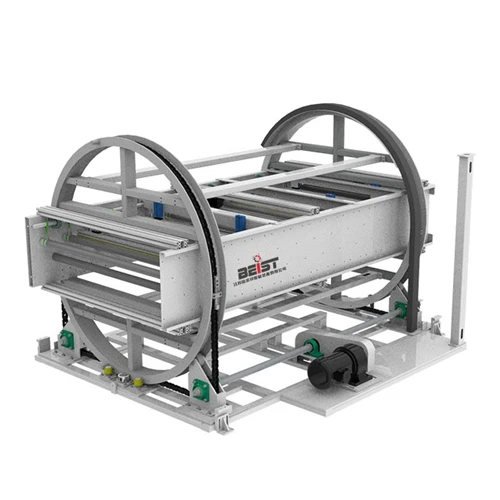
Similarly, if your conveyor system is part of a larger network that includes a Heavy Duty Powered Roller Conveyor or a Cross Conveyor with Rotation Function, the software should support seamless integration to ensure smooth operation.
Conclusion
In conclusion, there are several software options available for controlling a Powered Roller Conveyor - Fold, each with its own features, benefits, and use cases. PLC - based software is a reliable and cost - effective option for basic conveyor operations, while SCADA software offers real - time monitoring and remote control capabilities. IIoT - enabled software, on the other hand, provides advanced connectivity, analytics, and automation features, making it ideal for smart factory environments.
When selecting the right software for your conveyor system, it's important to consider your specific requirements, budget, and the existing infrastructure in your production line. If you are interested in learning more about our Powered Roller Conveyor - Fold and the software options available for controlling it, we encourage you to contact us for a detailed discussion and a customized solution that meets your needs.
References
- "Industrial Automation Handbook", Wiley
- "SCADA Systems: Design and Implementation", CRC Press
- "Internet of Things: Principles, Technologies, and Applications", Springer