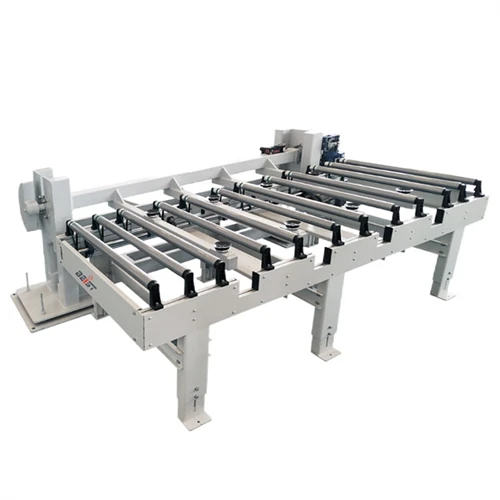
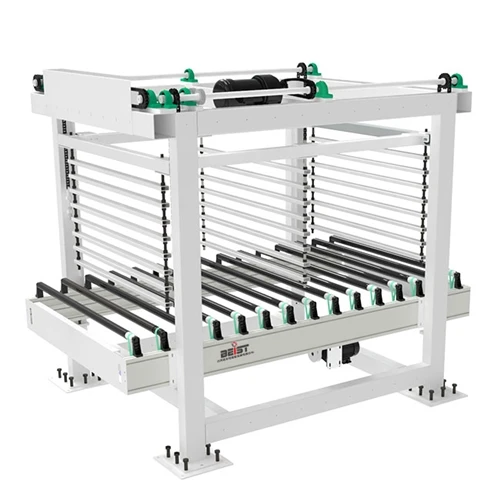
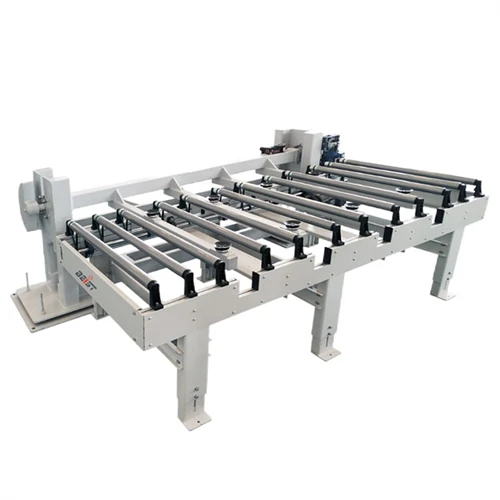
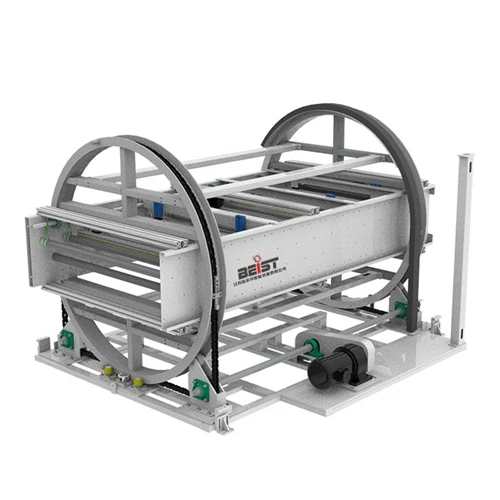
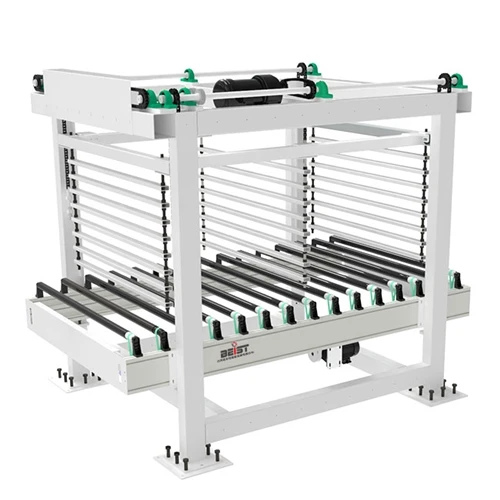
Hey there! As a supplier of powered conveyors, I've seen firsthand how crucial proper lubrication is for these machines. In this blog, I'm gonna break down the lubrication requirements for a powered conveyor, so you can keep your equipment running smoothly and efficiently.
Why Lubrication Matters
First off, let's talk about why lubrication is so important. A powered conveyor has a bunch of moving parts, like belts, chains, bearings, and gears. These parts rub against each other as the conveyor operates, and this friction can cause wear and tear over time. If you don't lubricate these parts, they'll start to break down faster, leading to costly repairs and downtime.


Lubrication also helps to reduce heat generated by friction. When parts rub together, they create heat, and too much heat can damage the components. By applying lubricant, you can keep the temperature down and extend the lifespan of your conveyor.
Types of Lubricants
There are several types of lubricants available, and choosing the right one depends on the specific requirements of your powered conveyor. Here are some common types:
- Mineral Oil-Based Lubricants: These are the most commonly used lubricants and are suitable for a wide range of applications. They're relatively inexpensive and provide good general-purpose lubrication. However, they may not be suitable for high-temperature or high-speed applications.
- Synthetic Lubricants: Synthetic lubricants are formulated to provide better performance in extreme conditions. They can withstand higher temperatures and speeds, and they also have better resistance to oxidation and corrosion. However, they're usually more expensive than mineral oil-based lubricants.
- Greases: Greases are a semi-solid lubricant that's made by mixing a thickening agent with a lubricating oil. They're often used in applications where the lubricant needs to stay in place, such as in bearings and gears. Greases provide good protection against wear and corrosion, but they can be more difficult to apply and remove than oils.
Lubrication Points
Now, let's take a look at the key lubrication points on a powered conveyor:
- Bearings: Bearings are one of the most critical components of a conveyor, and they require regular lubrication to prevent premature failure. Most bearings have a grease fitting or an oil hole where you can apply lubricant. Make sure to follow the manufacturer's recommendations for the type and amount of lubricant to use.
- Chains and Sprockets: Chains and sprockets are another area that needs to be lubricated regularly. Lubricating the chain helps to reduce friction and wear, and it also prevents the chain from rusting. You can use a chain lubricant or a general-purpose oil to lubricate the chain. Apply the lubricant to the inside of the chain while the conveyor is running, so it can penetrate the links.
- Gears: Gears are used to transfer power from the motor to the conveyor belt or chain. They need to be lubricated to reduce friction and noise, and to prevent wear and damage. You can use a gear oil or a grease to lubricate the gears. Make sure to apply the lubricant evenly to all the teeth of the gears.
- Drive Belts: Drive belts are used to transfer power from the motor to the conveyor pulley. They need to be kept clean and lubricated to prevent slipping and premature wear. You can use a belt dressing or a general-purpose oil to lubricate the belts. Apply the lubricant to the inside of the belt while the conveyor is running, so it can spread evenly.
Lubrication Frequency
The frequency of lubrication depends on several factors, such as the type of conveyor, the operating conditions, and the type of lubricant used. In general, you should lubricate your conveyor at least once a month, but you may need to lubricate it more frequently if it's operating in harsh conditions or if it's used heavily.
It's also important to check the lubricant levels regularly and top them up as needed. You can use a dipstick or a sight glass to check the lubricant levels. If the lubricant level is low, add the recommended type and amount of lubricant.
Lubrication Best Practices
Here are some best practices to follow when lubricating your powered conveyor:
- Use the Right Lubricant: Make sure to use the lubricant recommended by the conveyor manufacturer. Using the wrong lubricant can cause damage to the components and reduce the lifespan of the conveyor.
- Apply the Lubricant Correctly: Follow the manufacturer's instructions for applying the lubricant. Make sure to apply the lubricant evenly to all the lubrication points, and avoid over-lubricating.
- Keep the Conveyor Clean: Before lubricating the conveyor, make sure to clean it thoroughly to remove any dirt, debris, or old lubricant. This will help the new lubricant to adhere better and provide better protection.
- Maintain a Lubrication Schedule: Create a lubrication schedule and stick to it. This will help you to ensure that the conveyor is lubricated regularly and that you don't forget to lubricate any critical components.
Special Considerations
In some cases, you may need to take special considerations when lubricating your powered conveyor. For example:
- Food-Grade Lubricants: If your conveyor is used in a food processing or packaging facility, you'll need to use food-grade lubricants that are safe for contact with food. These lubricants are specially formulated to meet strict health and safety standards.
- High-Temperature Applications: If your conveyor is operating in a high-temperature environment, you'll need to use a lubricant that can withstand the heat. Synthetic lubricants are often a good choice for high-temperature applications.
- Corrosive Environments: If your conveyor is operating in a corrosive environment, such as a chemical plant or a marine environment, you'll need to use a lubricant that has good resistance to corrosion. Some lubricants are formulated with additives that provide extra protection against corrosion.
Conclusion
Proper lubrication is essential for the smooth and efficient operation of a powered conveyor. By following the lubrication requirements and best practices outlined in this blog, you can extend the lifespan of your conveyor, reduce maintenance costs, and improve productivity.
If you're in the market for a powered conveyor or need help with lubrication or maintenance, we're here to assist you. We offer a wide range of Cross Conveyor Bi-Directional, Cross Conveyor, and Single Arm Panel Over Turner solutions to meet your specific needs. Contact us today to start a conversation about your requirements and let's work together to find the best conveyor system for your business.
References
- "Conveyor Systems Handbook," by Conveyor Equipment Manufacturers Association (CEMA)
- Manufacturer's manuals for powered conveyors