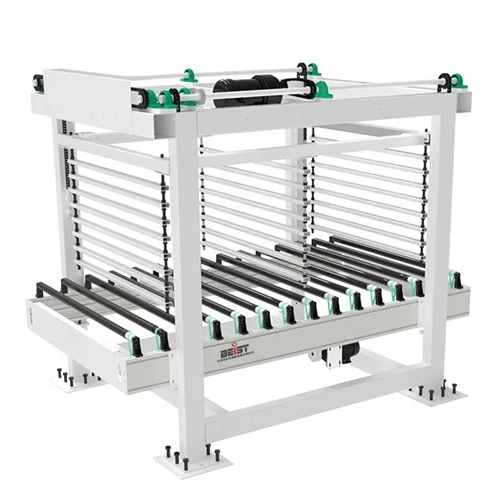
As a supplier of Lift Table with Conveyor Top, I've delved deep into the load - distribution characteristics of these remarkable pieces of equipment. In this blog, I'll share comprehensive insights into how these lift tables handle loads, which is crucial for anyone looking to optimize their material - handling processes.
1. Basics of Load Distribution in Lift Tables with Conveyor Top
Lift Table with Conveyor Top, such as the ones available at Lift Table with Conveyor Top, are designed to lift and transport loads. The load - distribution process begins when the load is placed on the conveyor top. The conveyor top serves as the initial contact point, and it plays a vital role in evenly spreading the load across the lift table surface.
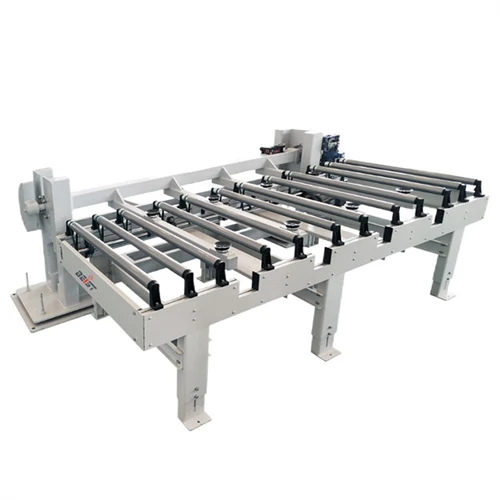
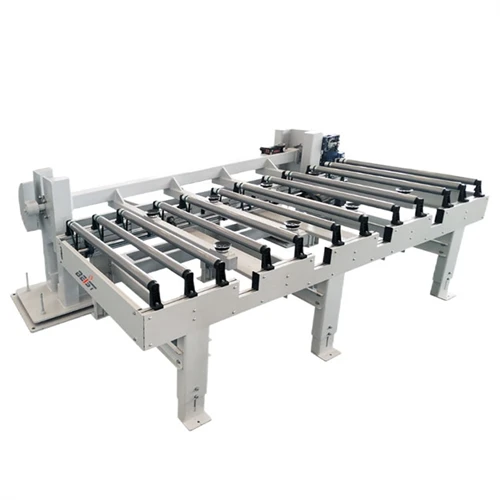
The load distribution is affected by several factors. First, the type of conveyor used on the top matters. For instance, a Powered Roller Conveyor Lift Table distributes the load differently compared to a belt - driven conveyor. Roller conveyors transfer the load through a series of rotating cylinders, and the load is supported at multiple points along the length of the rollers. This can lead to a more evenly distributed load, especially for heavy and large - sized items.
On the other hand, belt - driven conveyors spread the load over a continuous surface. They are better suited for lighter loads and items that require a smooth transfer. The flexibility of the belt allows it to conform to the shape of the load to some extent, which can also contribute to a relatively even load distribution.
2. Static Load Distribution
When the lift table is at rest, the static load distribution is determined by the weight and shape of the load, as well as the design of the lift table itself. The frame of the lift table is engineered to support the load and distribute the weight to the hydraulic or mechanical lifting mechanism.
For example, a well - designed Conveyor Top Hydraulic Lift Table has a sturdy frame that evenly distributes the static load to the hydraulic cylinders. The cylinders then transfer the load to the base of the lift table, which is in contact with the floor. This multi - stage load - distribution process ensures that the lift table remains stable and balanced when stationary.
The shape of the load also impacts static load distribution. Irregularly shaped loads may cause uneven stress on the conveyor top and the lift table frame. To counter this, some lift tables are equipped with adjustable supports or leveling mechanisms. These features can be used to adjust the position of the load and ensure that the weight is evenly distributed across the surface.
3. Dynamic Load Distribution
Dynamic load distribution occurs when the lift table is in motion, either during the lifting or lowering process or when the conveyor on top is moving the load. During the lifting or lowering operation, the load experiences acceleration and deceleration forces. These forces can cause the load to shift, which may affect the load distribution.
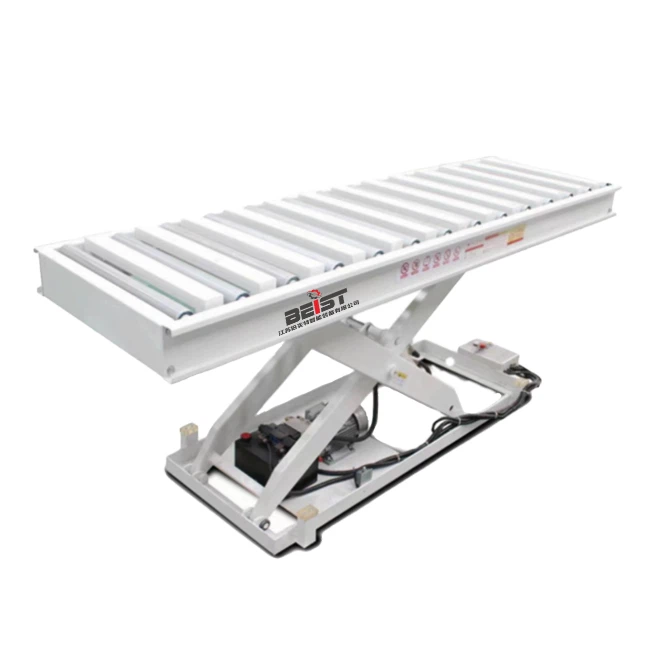

To handle dynamic load distribution, lift tables are designed with safety features and control systems. Hydraulic lift tables, for example, have flow - control valves that regulate the speed of the lifting and lowering process. This helps to minimize sudden changes in the load distribution and reduces the risk of the load tipping over.
When the conveyor on top is moving the load, the dynamic load distribution is influenced by the speed and acceleration of the conveyor. High - speed conveyors can generate significant inertial forces, which need to be carefully managed. The conveyor drive system is designed to provide a smooth and consistent movement of the load, ensuring that the weight remains evenly distributed during the transfer process.
4. Impact of Load Capacity on Load Distribution
The load capacity of a lift table is a critical factor in load - distribution characteristics. A lift table with a higher load capacity is designed to handle heavier loads, and its load - distribution system is more robust. The frame, hydraulic cylinders, and conveyor components are all engineered to withstand greater stress and distribute the load more effectively.
For example, a lift table with a 5 - ton load capacity will have a thicker frame and larger hydraulic cylinders compared to a lift table with a 1 - ton load capacity. These larger components can better support and distribute the weight of the load, reducing the risk of structural failure.
However, it's important to note that even a high - capacity lift table can experience problems if the load is not properly distributed. Overloading one side of the lift table can cause uneven stress on the components, leading to premature wear and tear or even a safety hazard. Therefore, it's essential to follow the load - capacity guidelines and ensure proper load distribution regardless of the lift table's rated capacity.
5. Load Distribution and Safety
Proper load distribution is directly related to the safety of the lift table operation. Uneven load distribution can lead to instability, which increases the risk of the lift table tipping over or the load falling off. This can cause serious injuries to operators and damage to the equipment and surrounding property.
To ensure safety, operators should be trained on proper load - placement techniques. They should be aware of the lift table's load - capacity limits and how to distribute the load evenly. Regular inspections of the lift table are also necessary to check for any signs of uneven wear or damage that may indicate a problem with load distribution.
In addition, safety devices such as overload sensors and tilt sensors can be installed on the lift table. Overload sensors can detect when the load exceeds the rated capacity, and they can trigger an alarm or stop the lift table operation. Tilt sensors can detect if the lift table is becoming unbalanced due to uneven load distribution and take appropriate action to prevent an accident.
6. Customization for Specific Load - Distribution Requirements
Every industry and application has unique load - distribution requirements. As a supplier, we offer customization options for our Lift Table with Conveyor Top to meet these specific needs.
For industries that deal with long and narrow loads, we can design lift tables with longer conveyor tops and specialized roller arrangements to ensure even load distribution. In the food and beverage industry, where hygiene is a major concern, we can provide lift tables with stainless - steel conveyor tops and easy - to - clean components. These customized lift tables are engineered to distribute the load effectively while meeting the specific requirements of the application.
Conclusion
Understanding the load - distribution characteristics of a Lift Table with Conveyor Top is essential for optimizing its performance and ensuring safety. Whether it's static or dynamic load distribution, the design of the lift table, the type of conveyor, and the load itself all play important roles.
If you're in the market for a Lift Table with Conveyor Top and need to ensure proper load distribution for your specific application, we're here to help. Our team of experts can provide you with detailed information, customized solutions, and support throughout the purchasing process. Contact us to start a discussion about your requirements and how our products can meet your needs.
References
- "Material Handling Equipment Handbook", John Wiley & Sons
- "Hydraulic Systems Design and Analysis", McGraw - Hill Education
- Industry standards and guidelines for lift tables and conveyors