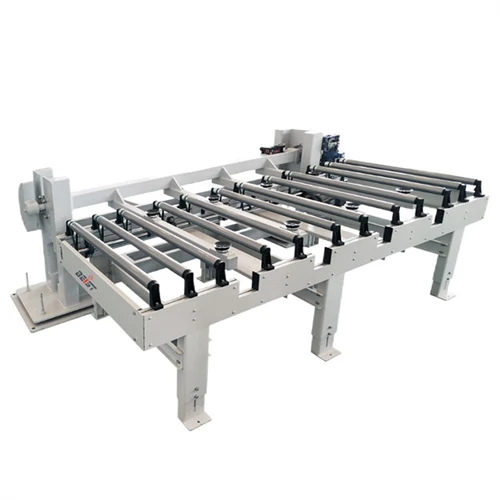
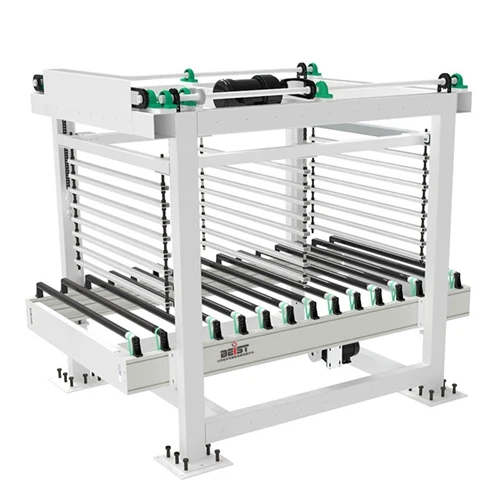
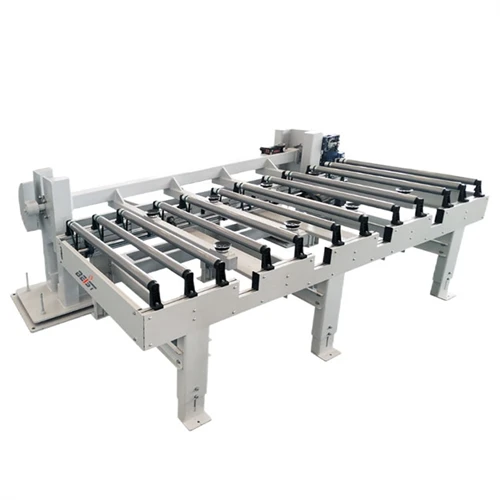
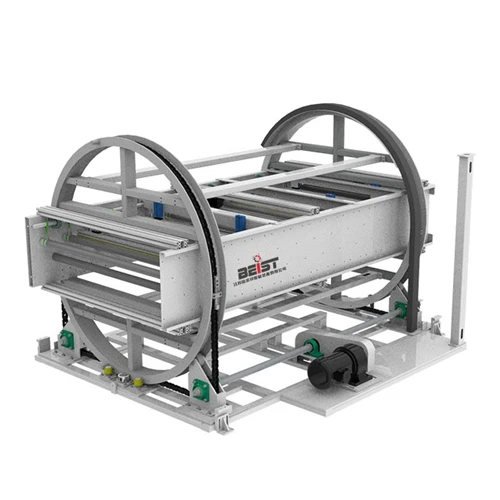
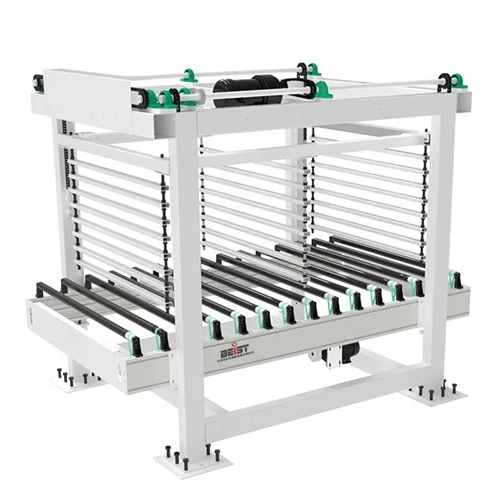
When it comes to the installation of a Conveyor Crossover Bridge, understanding the installation clearances is of utmost importance. As a supplier of Conveyor Crossover Bridges, I have witnessed firsthand the significance of getting these clearances right to ensure the smooth operation and longevity of the equipment.
Importance of Installation Clearances
Installation clearances refer to the space requirements around the Conveyor Crossover Bridge during its installation. These clearances are not arbitrary; they are determined by a variety of factors, including the size and type of the conveyor, the materials being transported, and the surrounding environment.
Firstly, proper clearances are essential for safety. Workers need enough space to access the conveyor for maintenance, inspection, and troubleshooting. Insufficient clearances can lead to cramped working conditions, increasing the risk of accidents and injuries. For example, if there is not enough space to open the access panels on the conveyor, workers may be forced to take shortcuts or use improper tools, which can compromise their safety.
Secondly, installation clearances affect the performance of the Conveyor Crossover Bridge. Adequate space allows for proper ventilation, which helps prevent overheating of the motor and other components. It also ensures that there is no interference with other equipment or structures in the vicinity. If the conveyor is too close to a wall or another machine, it may experience vibrations or mechanical stress, leading to premature wear and tear.
Factors Affecting Installation Clearances
Conveyor Size and Type
The size and type of the Conveyor Crossover Bridge play a significant role in determining the installation clearances. Larger conveyors generally require more space for installation and operation. For example, a heavy - duty conveyor used in a mining or industrial setting may need a wider clearance on all sides compared to a smaller conveyor used in a light - manufacturing environment.
Different types of conveyors also have different clearance requirements. For instance, a Sorting Roller Conveyor may need more space for the sorting mechanisms and the movement of the rollers. On the other hand, a Gravity Skate Wheel Conveyor may have relatively smaller clearance requirements, but still needs enough space for the smooth flow of the skate wheels and the products being transported.
Material Characteristics
The materials being transported on the conveyor also influence the installation clearances. If the materials are large, bulky, or have irregular shapes, more space may be needed to prevent jams and ensure proper handling. For example, if the conveyor is used to transport large wooden crates, there should be enough clearance to allow the crates to move freely without hitting the sides of the conveyor or other obstacles.
In addition, if the materials are hazardous or require special handling, additional clearances may be necessary for safety reasons. For instance, if the conveyor is transporting chemicals, there should be sufficient space to contain any spills and to allow for proper ventilation in case of a leak.
Surrounding Environment
The surrounding environment where the Conveyor Crossover Bridge is installed is another crucial factor. If the conveyor is installed in a confined space, such as a narrow corridor or a basement, the installation clearances may be limited. In such cases, careful planning and design are required to ensure that the conveyor can still operate safely and efficiently.
On the other hand, if the conveyor is installed in an open area, there may be more flexibility in terms of the installation clearances. However, other factors such as weather conditions, dust, and humidity may still need to be considered. For example, if the conveyor is installed outdoors, it may need additional clearances to allow for the installation of protective covers or shelters.
Recommended Installation Clearances
Side Clearances
Side clearances are the spaces required on the sides of the Conveyor Crossover Bridge. As a general rule, a minimum side clearance of 300 - 500 mm is recommended for most conveyors. This allows for easy access to the conveyor for maintenance and inspection. However, for larger conveyors or those transporting bulky materials, the side clearance may need to be increased to 800 - 1000 mm or more.
End Clearances
End clearances are the spaces required at the ends of the conveyor. These clearances are important for the loading and unloading of materials. A minimum end clearance of 500 - 800 mm is typically recommended. This allows for the proper positioning of the loading and unloading equipment, such as forklifts or pallet jacks.
Vertical Clearances
Vertical clearances are the spaces required above and below the Conveyor Crossover Bridge. Above the conveyor, a minimum vertical clearance of 2000 - 2500 mm is usually recommended to allow for the movement of workers and the operation of overhead equipment. Below the conveyor, a clearance of at least 300 - 500 mm is needed to prevent interference with the floor or any other structures.


Installation Process and Clearance Checks
During the installation process, it is crucial to conduct regular clearance checks. Before the conveyor is installed, the site should be carefully measured to ensure that the required clearances are available. Any obstructions or potential hazards should be removed or addressed.
Once the conveyor is in place, a final clearance check should be performed. This includes checking the side, end, and vertical clearances to ensure that they meet the recommended standards. If any discrepancies are found, adjustments should be made immediately to avoid future problems.
Conclusion
In conclusion, understanding and implementing the correct installation clearances for a Conveyor Crossover Bridge is essential for its safe and efficient operation. As a supplier, we are committed to providing our customers with the best - in - class Conveyor Crossover Bridges and the necessary guidance on installation clearances.
If you are in the market for a Conveyor Crossover Bridge or any related equipment such as a Conveyor Platform for Cold Press, we invite you to contact us for a detailed discussion on your specific requirements. Our team of experts will be happy to assist you in selecting the right conveyor and ensuring that it is installed with the proper clearances.
References
- Conveyor Handbook, Industry Standard Publication
- Safety Guidelines for Conveyor Installation, National Safety Council