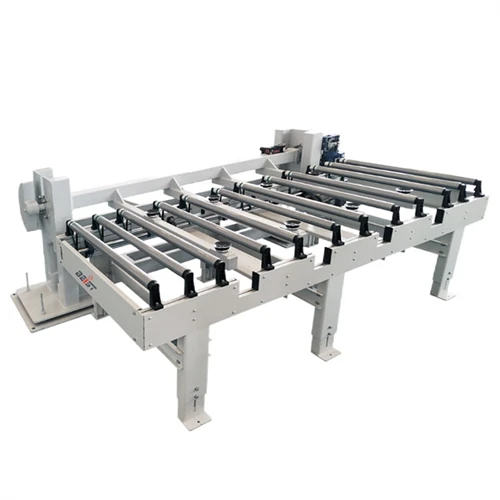
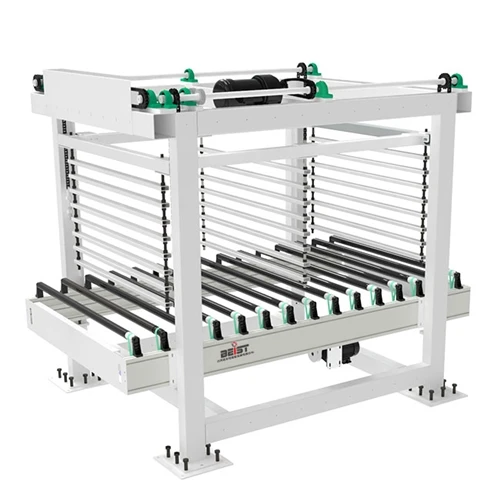
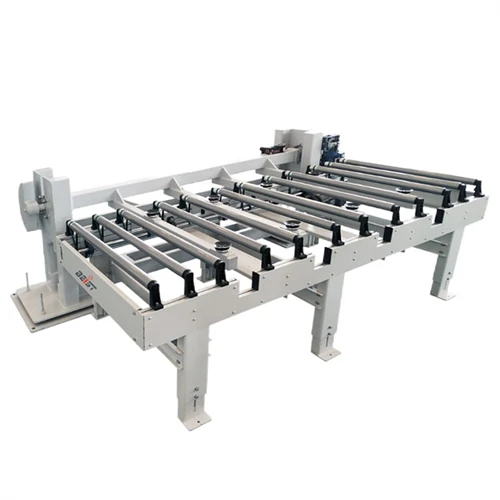
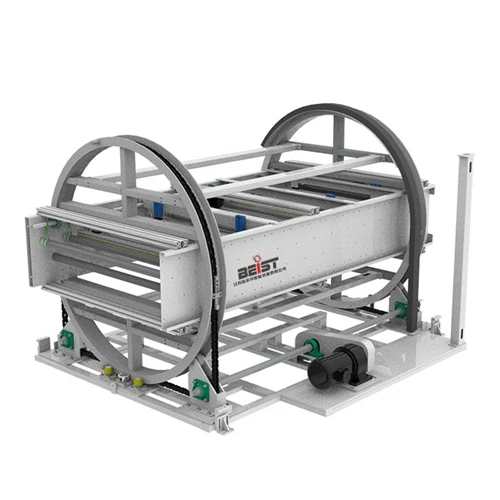
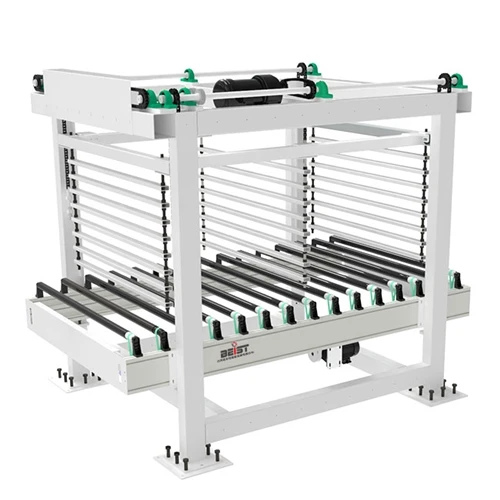
As a supplier of Conveyor Crossover Bridges, I've witnessed firsthand the growing demand for these structures in various industries. They play a crucial role in facilitating the smooth flow of materials across different conveyor systems, enhancing operational efficiency. However, it's essential to consider their environmental impacts. In this blog, I'll delve into the various ways Conveyor Crossover Bridges can affect the environment, both positively and negatively.
Positive Environmental Impacts
Energy Efficiency
One of the significant advantages of Conveyor Crossover Bridges is their potential to improve energy efficiency. By enabling the seamless transfer of materials between different conveyor lines, they reduce the need for additional handling equipment, such as forklifts or cranes. These alternative methods often consume more energy and emit higher levels of greenhouse gases. For example, a forklift typically runs on diesel or gasoline, which releases carbon dioxide and other pollutants into the atmosphere. In contrast, conveyor systems, including Conveyor Crossover Bridges, can be powered by electricity, which can be sourced from renewable energy sources like solar or wind. This shift towards cleaner energy can significantly reduce the carbon footprint of industrial operations.
Reduced Material Handling
Conveyor Crossover Bridges also contribute to reducing material handling, which can have a positive impact on the environment. When materials are transferred manually or using inefficient equipment, there is a higher risk of spills and waste. These spills can contaminate soil and water sources, posing a threat to the ecosystem. Additionally, the extra handling can lead to damage to the materials, resulting in more waste. With Conveyor Crossover Bridges, materials are transported in a controlled manner, minimizing the risk of spills and damage. This not only reduces waste but also conserves resources by ensuring that materials are used effectively.
Space Optimization
Another environmental benefit of Conveyor Crossover Bridges is their ability to optimize space. In industrial settings, space is often limited, and efficient use of space is crucial. By allowing conveyors to cross over each other, these bridges eliminate the need for additional floor space for material transfer. This can reduce the overall footprint of a facility, which in turn can help preserve natural habitats and reduce the demand for land development. Moreover, less land use means less disruption to ecosystems and a lower impact on biodiversity.
Negative Environmental Impacts
Construction and Manufacturing
The construction and manufacturing of Conveyor Crossover Bridges can have a significant environmental impact. The production of steel and other materials used in these structures requires large amounts of energy and resources. Mining and processing these materials can also lead to environmental degradation, such as deforestation, soil erosion, and water pollution. Additionally, the transportation of these materials to the construction site can contribute to greenhouse gas emissions. To mitigate these impacts, it's important to source materials from sustainable suppliers and use energy-efficient manufacturing processes.
Noise Pollution
Conveyor Crossover Bridges can also generate noise pollution, especially during operation. The movement of materials on the conveyor belts, as well as the mechanical components of the bridge, can produce loud noises. This can be a nuisance to nearby residents and wildlife, and it can also have a negative impact on human health. Prolonged exposure to high levels of noise can cause hearing loss, stress, and other health problems. To reduce noise pollution, it's important to use noise-reducing materials and design the bridge to minimize vibrations.
Maintenance and Disposal
Like any industrial equipment, Conveyor Crossover Bridges require regular maintenance to ensure their proper functioning. This maintenance can involve the use of chemicals and lubricants, which can have an environmental impact if not disposed of properly. Additionally, when the bridge reaches the end of its useful life, it needs to be disposed of. If not recycled or disposed of in an environmentally friendly manner, the bridge can contribute to landfill waste. To address these issues, it's important to implement proper maintenance and disposal procedures.
Mitigating the Environmental Impacts
Sustainable Design and Construction
To minimize the environmental impact of Conveyor Crossover Bridges, it's important to adopt sustainable design and construction practices. This includes using recycled materials, such as steel and concrete, in the manufacturing process. Additionally, the design of the bridge should be optimized to reduce energy consumption and waste. For example, using energy-efficient motors and sensors can help reduce the power consumption of the conveyor system.
Noise Reduction Measures
To reduce noise pollution, several measures can be taken. These include using noise-absorbing materials, such as rubber or foam, on the conveyor belts and mechanical components. Additionally, the bridge can be designed to isolate the noise source and prevent it from spreading. For example, installing sound barriers around the bridge can help reduce the noise level in the surrounding area.
Proper Maintenance and Disposal
Proper maintenance and disposal procedures are essential to minimize the environmental impact of Conveyor Crossover Bridges. This includes using environmentally friendly chemicals and lubricants during maintenance and ensuring that they are disposed of properly. Additionally, when the bridge reaches the end of its useful life, it should be recycled or disposed of in an environmentally friendly manner. For example, the steel components of the bridge can be recycled and used in the production of new structures.
Conclusion
Conveyor Crossover Bridges offer several environmental benefits, such as energy efficiency, reduced material handling, and space optimization. However, they also have some negative environmental impacts, such as construction and manufacturing emissions, noise pollution, and maintenance and disposal issues. As a supplier of Conveyor Crossover Bridges, it's our responsibility to minimize these impacts by adopting sustainable design and construction practices, implementing noise reduction measures, and ensuring proper maintenance and disposal procedures.


If you're interested in learning more about our Conveyor Crossover Bridges or other related products, such as Transfer Cart with Turntable and Roller Transfer Cart On Rail, please visit our website Conveyor Crossover Bridge. We're always happy to discuss your specific needs and provide you with the best solutions for your industrial operations. Contact us today to start a conversation about how we can help you achieve your environmental and operational goals.
References
- "Sustainable Design and Construction of Industrial Structures." Journal of Industrial and Production Engineering, Vol. XX, Issue XX, 20XX.
- "Environmental Impact Assessment of Conveyor Systems." International Journal of Environmental Science and Technology, Vol. XX, Issue XX, 20XX.
- "Noise Pollution Control in Industrial Settings." Noise Control Engineering Journal, Vol. XX, Issue XX, 20XX.