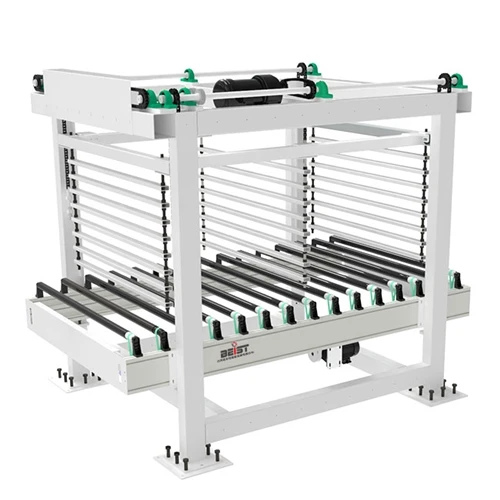
Hey there! As a supplier of powered conveyors, I've seen firsthand how crucial it is to have reliable emergency stop devices in place. In this blog, I'm gonna break down the different types of emergency stop devices for powered conveyors and why they're so important.
Let's start with the basics. What exactly is an emergency stop device? Well, it's a safety mechanism designed to quickly halt the operation of a powered conveyor in case of an emergency. This could be anything from a worker getting caught in the conveyor to a mechanical failure that poses a risk.
One of the most common types of emergency stop devices is the emergency stop button. You've probably seen these in factories or industrial settings. They're big, red buttons that are usually easy to reach and clearly marked. When you press an emergency stop button, it sends a signal to the conveyor's control system to immediately stop all movement. This is a simple and effective way to prevent accidents and protect workers.
Another type of emergency stop device is the pull - cord switch. These are often used on longer conveyors. A pull - cord is installed along the length of the conveyor, and if a worker grabs and pulls the cord, it activates the emergency stop. This is great because it allows someone at any point along the conveyor to quickly stop it. For example, if a worker sees a problem happening further down the line, they can just yank the cord.
There are also rope - operated emergency stops. Similar to pull - cord switches, but they might have a different mechanism for triggering the stop. Rope - operated stops can be adjusted to fit the specific needs of the conveyor system, and they're very reliable for stopping the conveyor in an emergency.
Now, let's talk about why these emergency stop devices are so important. Safety is the number one reason. In a workplace with powered conveyors, there are many potential hazards. Workers can get their clothing, hair, or body parts caught in the moving parts of the conveyor. If there isn't a quick way to stop the conveyor, these incidents can lead to serious injuries or even fatalities.
Emergency stop devices also help protect the equipment itself. If there's a mechanical issue, like a jam or a broken part, stopping the conveyor immediately can prevent further damage. This can save a lot of money in repair costs and downtime.
As a powered conveyor supplier, I always make sure to recommend the right emergency stop devices for each customer's needs. For example, if a customer has a short conveyor in a small workspace, an emergency stop button might be the best option. But for a large, long - distance conveyor system, a pull - cord or rope - operated stop would be more suitable.
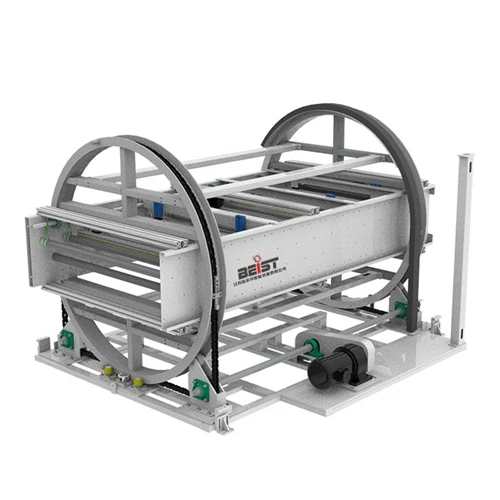
Let me give you a couple of examples of the powered conveyors we offer and how emergency stop devices work with them. We have the Single Arm Panel Over Turner. This is a really cool conveyor that's used for turning panels over. It has a complex movement, and having a reliable emergency stop device is crucial. Whether it's an emergency stop button near the operator's station or a pull - cord along the side, it ensures that the machine can be stopped right away if something goes wrong.
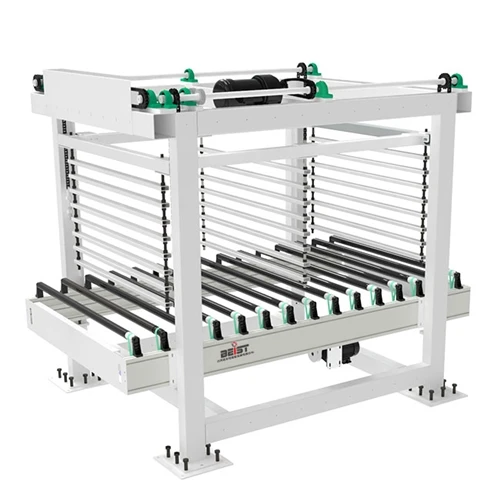
Another one of our products is the RGV Single Row Power Tour Car. This is a self - propelled conveyor that moves along a track. Since it can move around the workspace, it's important to have multiple emergency stop options. For instance, there could be emergency stop buttons at key points along the track and also a pull - cord system for added safety.
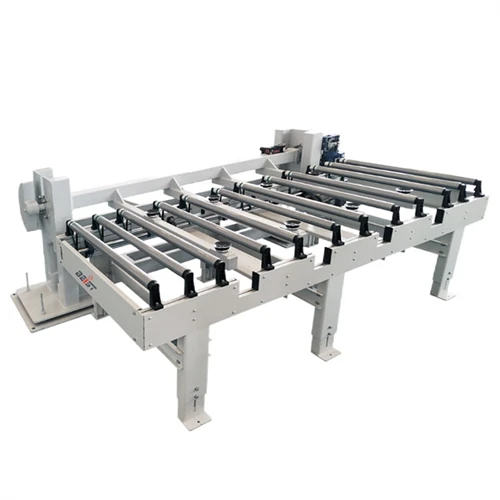
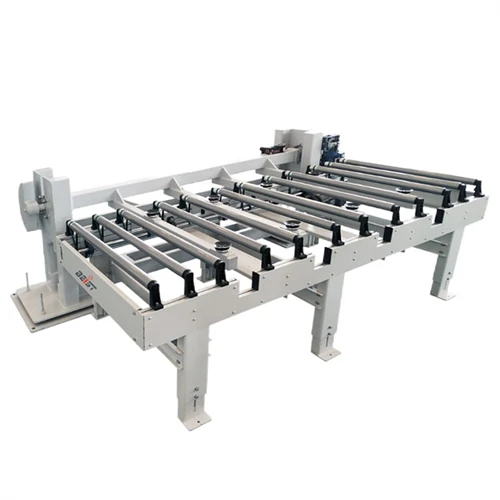
And of course, we have the Powered Roller Conveyor. This is a very common type of conveyor, and it's used in many industries. Depending on the length and layout of the roller conveyor, we might recommend a combination of emergency stop buttons and pull - cord switches. This way, workers can stop the conveyor from different locations.
When it comes to installing emergency stop devices, it's not just about slapping them on. They need to be properly placed and maintained. The emergency stop buttons should be within easy reach of the operators. Pull - cords and ropes should be installed in a way that they're not likely to get tangled or damaged. And regular inspections should be done to make sure the devices are working correctly.
We also offer training to our customers on how to use and maintain the emergency stop devices. It's not enough to just have them; workers need to know how to use them effectively in an emergency. We provide training sessions where we show workers how to identify the emergency stop devices, how to operate them, and what to do after the conveyor has been stopped.


If you're in the market for a powered conveyor or need to upgrade your existing emergency stop devices, don't hesitate to reach out. We're here to help you find the right solution for your business. Whether you need a simple emergency stop button or a more complex pull - cord system, we've got you covered. Our team of experts can assess your needs and recommend the best options for your conveyor system.
In conclusion, emergency stop devices are an essential part of any powered conveyor system. They protect workers, equipment, and your business from potential disasters. As a powered conveyor supplier, we're committed to providing high - quality conveyors with reliable emergency stop solutions. So, if you have any questions or want to discuss your specific requirements, just get in touch. Let's work together to make your workplace safer and more efficient.
References
- General knowledge from years of experience in the powered conveyor industry.
- Industry safety standards and guidelines for powered conveyors.