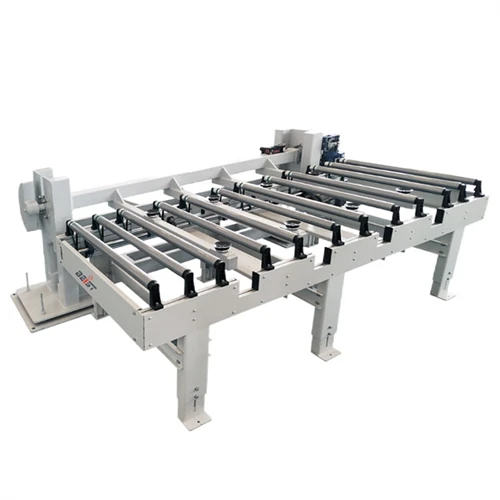
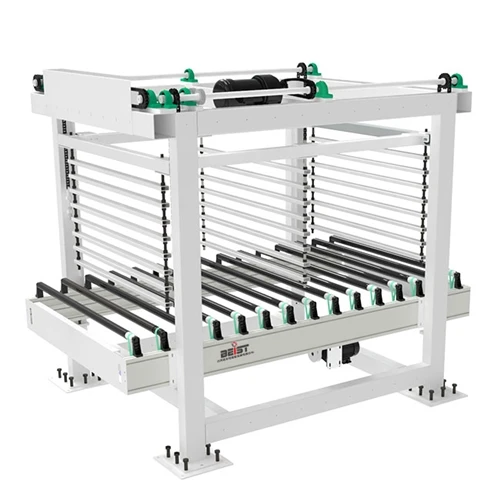
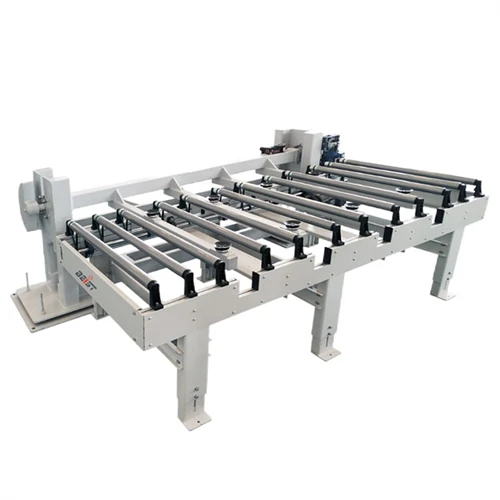
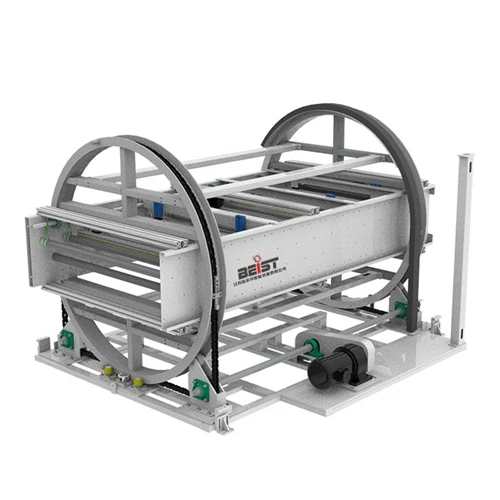
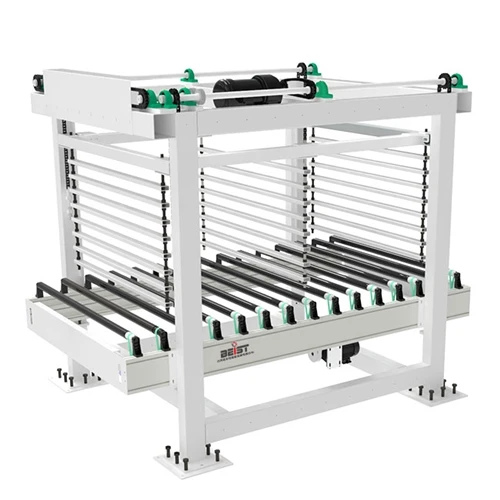
Powered conveyors are widely used in various industries to automate the movement of goods, materials, and products. As a powered conveyor supplier, I've witnessed firsthand the numerous benefits they offer, such as increased efficiency, reduced labor costs, and improved safety. However, like any technology, powered conveyors also have their disadvantages. Understanding these drawbacks is crucial for businesses considering their implementation to make informed decisions.
High Initial Investment
One of the most significant disadvantages of powered conveyors is the high initial investment required. The cost of purchasing, installing, and commissioning a powered conveyor system can be substantial, especially for large-scale operations. In addition to the conveyor itself, there are also costs associated with electrical wiring, controls, safety features, and integration with existing systems. For small and medium-sized enterprises (SMEs), this upfront cost can be a significant barrier to entry, making it difficult to justify the investment.
Complex Installation and Maintenance
Installing a powered conveyor system is a complex process that requires specialized knowledge and skills. It involves precise planning, layout design, and alignment to ensure optimal performance. Any errors during the installation process can lead to operational issues, such as misalignment, belt slippage, or excessive wear and tear. Moreover, powered conveyors require regular maintenance to keep them running smoothly. This includes tasks such as lubrication, belt tension adjustment, and component replacement. The need for specialized maintenance personnel and spare parts can add to the overall cost of ownership.
Limited Flexibility
Powered conveyors are designed for specific applications and are often customized to meet the unique requirements of a particular industry or process. While this customization can provide optimal performance, it also limits the flexibility of the system. Once a conveyor is installed, it can be challenging and costly to modify or reconfigure it to accommodate changes in production volume, product type, or layout. This lack of flexibility can be a significant disadvantage for businesses that need to adapt quickly to changing market conditions or production requirements.
Noise and Vibration
Powered conveyors can generate significant noise and vibration during operation. The noise level can be particularly high in industrial environments, where multiple conveyors are running simultaneously. Prolonged exposure to high noise levels can cause hearing damage to workers and may also violate occupational health and safety regulations. Vibration can also have a negative impact on the conveyor system itself, leading to premature wear and tear of components and reduced overall reliability.
Energy Consumption
Powered conveyors require a significant amount of energy to operate, especially those with large motors or high-speed belts. The energy consumption of a conveyor system can contribute to high operating costs and environmental impact. In addition, the continuous operation of conveyors can lead to increased energy demand during peak hours, which may result in higher electricity tariffs. To mitigate these issues, businesses need to consider energy-efficient conveyor designs and technologies, such as variable frequency drives and regenerative braking systems.


Safety Risks
Powered conveyors pose several safety risks to workers, including the risk of entanglement, pinch points, and falling objects. Entanglement can occur when clothing, hair, or body parts get caught in the moving parts of the conveyor, such as belts, rollers, or gears. Pinch points can cause serious injuries, such as crushed fingers or hands, when body parts are trapped between two moving surfaces. Falling objects can also pose a hazard, especially in conveyors that transport heavy or bulky items. To minimize these risks, businesses need to implement appropriate safety measures, such as guards, sensors, and emergency stop buttons.
Product Damage
Powered conveyors can cause damage to products during transportation, especially if the conveyor is not properly designed or maintained. Rough handling, excessive vibration, or improper alignment can lead to scratches, dents, or breakage of products. This can result in significant losses for businesses, especially those dealing with high-value or fragile items. To prevent product damage, businesses need to select the appropriate conveyor type and configuration for their products and ensure that the conveyor is regularly inspected and maintained.
Environmental Impact
The manufacturing, operation, and disposal of powered conveyors can have a significant environmental impact. The production of conveyor components requires the use of raw materials, energy, and water, which can contribute to resource depletion and pollution. The operation of conveyors also generates greenhouse gas emissions, which contribute to climate change. Moreover, the disposal of old or damaged conveyors can pose a challenge, as they may contain hazardous materials such as lubricants, batteries, or electronic components. To minimize the environmental impact of powered conveyors, businesses need to consider sustainable design and manufacturing practices, as well as proper disposal and recycling methods.
Compatibility Issues
Integrating a powered conveyor system with existing equipment and processes can be challenging, especially if there are compatibility issues. For example, the conveyor may not be able to interface with other automation systems, such as robotic pickers or sorting machines. This can lead to inefficiencies and bottlenecks in the production process. To ensure seamless integration, businesses need to carefully evaluate the compatibility of the conveyor system with their existing infrastructure and equipment before making a purchase.
Conclusion
While powered conveyors offer many benefits, they also have several disadvantages that businesses need to consider before implementing them. The high initial investment, complex installation and maintenance, limited flexibility, noise and vibration, energy consumption, safety risks, product damage, environmental impact, and compatibility issues are all factors that can affect the overall performance and cost-effectiveness of a conveyor system. As a powered conveyor supplier, I understand the importance of helping my customers make informed decisions. By providing detailed information about the advantages and disadvantages of powered conveyors, I can assist businesses in selecting the right conveyor system for their specific needs.
If you're considering investing in a powered conveyor system, I encourage you to contact me to discuss your requirements. I can provide you with a free consultation and help you evaluate the various options available. Whether you need a 90 Degree Cone-roller Type Turning Machine, a Carbon Steel Belt Conveyor, or a Return Conveyor for Edge Banders, I have the expertise and experience to provide you with a customized solution that meets your needs and budget.
References
- "Conveyor Systems: Design, Operation, and Maintenance." John Wiley & Sons, 2018.
- "Industrial Conveyor Belt Technology." Hanser Publishers, 2016.
- "Safety Standards for Conveyor Systems." Occupational Safety and Health Administration (OSHA), 2020.