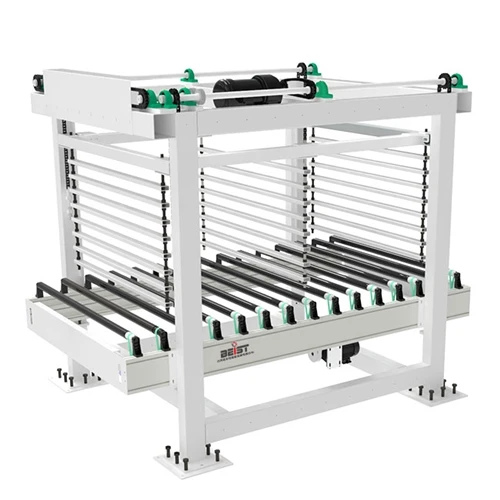
Hey there! As a supplier of Powered Roller Conveyor - Lean, I've often gotten asked about the differences between our powered roller conveyors and non - powered ones. So, I thought it'd be cool to break it all down for you in this blog post.
Let's start with the basics. A non - powered roller conveyor, as the name suggests, doesn't have an external power source. It mainly relies on gravity or manual force to move goods along the conveyor. You'll commonly find these in places where the workflow doesn't require high - speed movement of items or where the budget is tight. For instance, in small workshops or warehouses with a relatively low volume of goods, non - powered roller conveyors can do the job just fine.
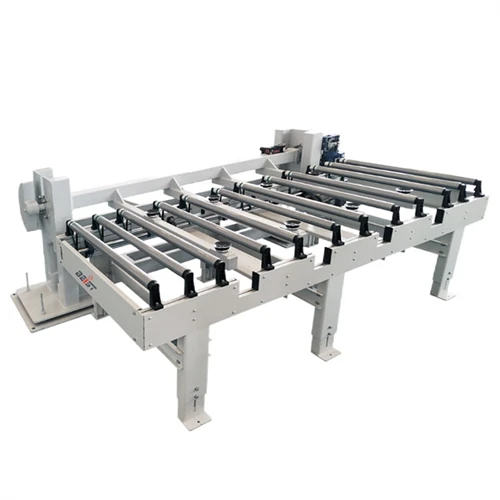
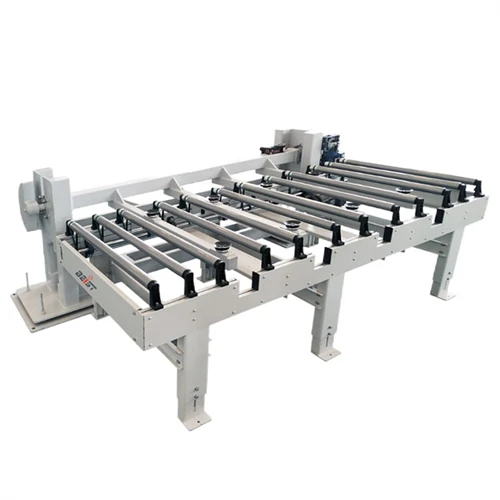
On the flip side, our Powered Roller Conveyor - Lean is a whole different ballgame. It comes equipped with a power source, which could be an electric motor or a hydraulic system. This power allows for a more consistent and controlled movement of goods. Whether you need to move heavy items or transport products at a specific speed, the powered conveyor can handle it.
One of the major differences is speed control. With a non - powered roller conveyor, the speed of goods movement is highly unpredictable. If you're relying on gravity, the incline of the conveyor and the weight of the items will determine how fast they move. And if you're using manual force, well, that depends entirely on how hard you push! This lack of control can lead to inefficiencies, especially in a production environment where timing is crucial.
In contrast, our Powered Roller Conveyor - Lean gives you complete control over the speed. You can set it according to your production requirements. Maybe you're working on a project where you need to gently move fragile items, and a slow speed is necessary. Or perhaps you're in a high - volume production setting and need a faster pace. Our conveyor allows you to adjust the speed with ease, ensuring a smooth and efficient workflow.
Another important difference is the load - handling capacity. Non - powered roller conveyors have limitations when it comes to carrying heavy loads. Since they rely on manual or gravitational force, moving extremely heavy items can be a real challenge. You might end up straining your workers or causing damage to the conveyor itself.
Our Powered Roller Conveyor - Lean, however, is designed to handle heavy loads with ease. The power source provides the necessary force to move large and bulky items without any hassle. This makes it ideal for industries such as manufacturing, automotive, and logistics, where heavy components and products need to be transported regularly.
When it comes to flexibility, the Powered Roller Conveyor - Lean takes the lead. You can customize it to fit your specific needs. Whether you need a straight conveyor, a curved one, or a combination of both, we can build it for you. We can also add additional features like sensors and switches to automate the process further. For example, sensors can detect when a product reaches a certain point on the conveyor and trigger an action, such as diverting the product to another line.
Non - powered roller conveyors, on the other hand, are more limited in terms of customization. Since they are relatively simple in design, it can be difficult and costly to make significant modifications.
Let's talk about space utilization. In a crowded warehouse or a production facility with limited space, every square foot counts. Our Powered Roller Conveyor - Lean can be designed to fit into tight spaces. We can create compact conveyors that still provide high - performance transportation of goods. This efficient use of space means you can maximize your productivity without having to expand your facility.
Non - powered roller conveyors often require more space to operate effectively. They may need a longer incline if relying on gravity, or more room for workers to manually push the items. This can lead to a less efficient use of space in your facility.
Now, let's touch on some related products that might interest you. If you're looking for a conveyor with a specific gap between the rollers, check out our Powered Roller Conveyor - Gap. It's designed to handle items of different sizes and shapes, ensuring a smooth and stable transport.
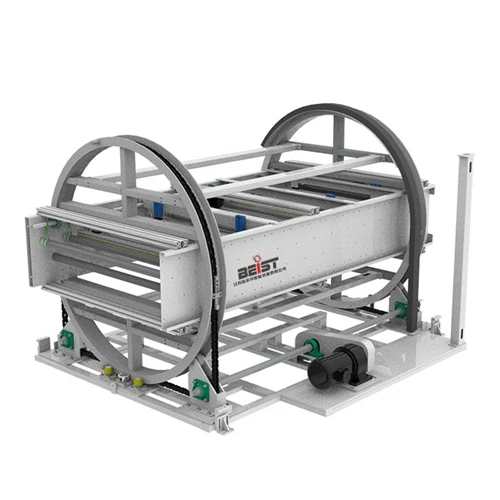
For those in the edge - banding industry, our Return Conveyor for Edge Banders is a great option. It helps to streamline the production process by returning the banded items back to the operator efficiently.
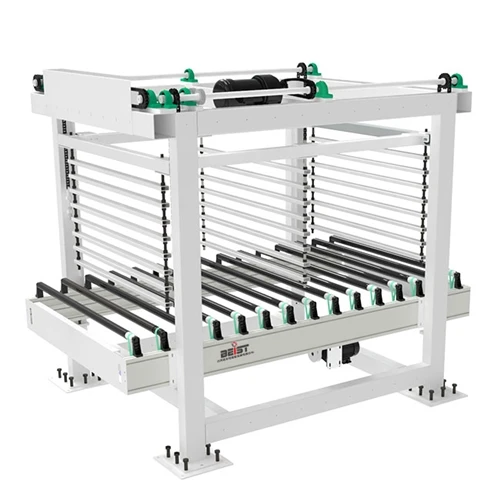
And if you need a conveyor that can move items in two directions, our Cross Conveyor Bi - Directional is the way to go. It offers the flexibility of moving goods both horizontally and vertically, depending on your requirements.


In conclusion, while non - powered roller conveyors have their place in certain applications, our Powered Roller Conveyor - Lean offers a host of advantages in terms of speed control, load - handling capacity, flexibility, and space utilization. If you're in the market for a reliable and efficient conveyor system, I highly recommend considering our powered conveyor.
If you're interested in learning more or are thinking about purchasing a Powered Roller Conveyor - Lean, feel free to reach out for a chat. We can discuss your specific needs and come up with a solution that works best for your business. Let's work together to take your production or logistics process to the next level!
References
- General knowledge of conveyor systems in industrial applications
- Industry reports on conveyor technology trends