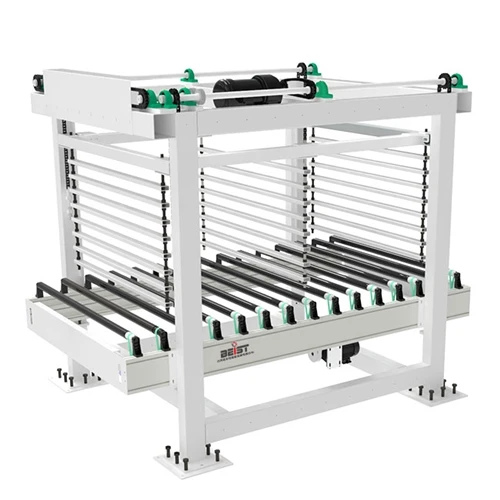
Challenges in Installing the Powered Roller Conveyor - Gap in a Narrow Space
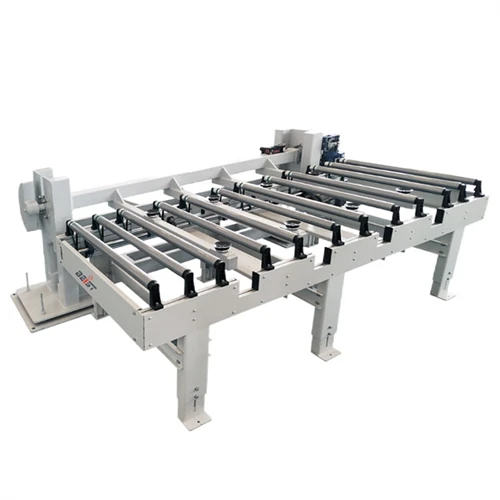
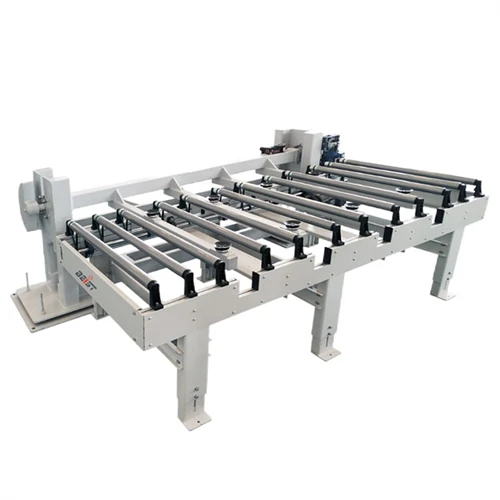
As a supplier of Powered Roller Conveyor - Gap, I've witnessed firsthand the unique set of challenges that come with installing these systems in narrow spaces. This blog aims to delve into these difficulties, providing insights into how they can affect the installation process and ultimately the performance of the conveyor system.
Space Constraints and Planning
One of the most obvious challenges in installing a powered roller conveyor - gap in a narrow space is the limited area available for the installation. This requires meticulous planning to ensure that the conveyor system fits perfectly within the given space. Every inch matters, and even a slight miscalculation can lead to major problems during installation.
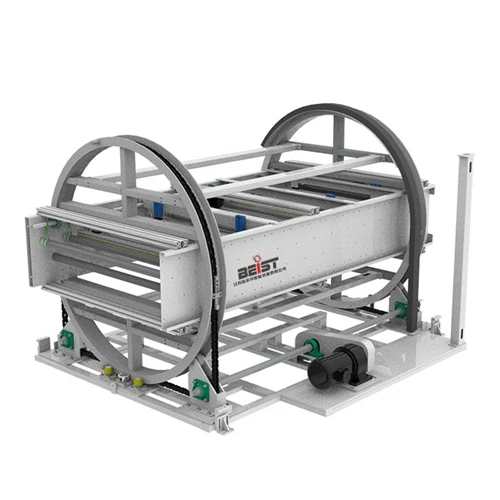
For instance, the layout of the conveyor has to be carefully designed to make the most of the available space. In a narrow environment, it might not be possible to install a straight - line conveyor, and instead, a more complex layout with turns and bends could be required. However, each turn adds to the complexity of the system, as it requires additional components such as Cross Conveyor with Rotation Function. These components not only need to be properly integrated but also calibrated to ensure smooth operation.
Another aspect of planning is the access for installation and maintenance. In a narrow space, it can be extremely difficult for technicians to move around and perform tasks such as assembling the conveyor, connecting power sources, and conducting regular maintenance. This lack of access can lead to longer installation times and increased labor costs. Technicians may need to use specialized tools that are designed for working in confined spaces to overcome these challenges.
Power and Control
Powering a roller conveyor in a narrow space can be a tricky task. The limited space may restrict the placement of power sources and control panels. For a powered roller conveyor, an adequate power supply is essential for its proper functioning. In a narrow area, routing electrical cables can be difficult as there may not be sufficient space to run the cables without causing obstructions.
Moreover, the control system of the conveyor needs to be carefully placed to ensure easy access for operators. In a narrow space, it may be challenging to find a suitable location for the control panel that is both accessible and safe from damage. Any misplacement of the control panel can lead to operational inefficiencies and potential safety hazards.
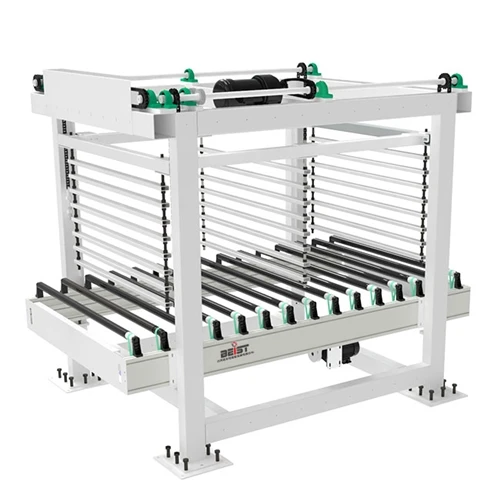
The conveyor also needs to be integrated with other systems in the facility. For example, if it is part of a larger production line, it should be able to communicate effectively with adjacent machines such as Panel Storage Machine and Fully Automatic Gantry Manipulator. In a narrow space, the physical connections between these machines and the conveyor can be more difficult to establish, and the interference between different electrical and communication signals may increase.
Alignment and Assembly
Proper alignment is crucial for the smooth operation of a powered roller conveyor. In a narrow space, achieving accurate alignment can be extremely challenging. The conveyor rollers need to be precisely aligned to ensure that the products move smoothly along the conveyor. However, the limited space makes it difficult to use traditional alignment tools and techniques.
During the assembly process, fitting the conveyor components into the narrow space can also be a hassle. The components may need to be disassembled and then reassembled in the confined area, which requires additional time and effort. There is also a higher risk of damaging the components during the disassembly and reassembly process, especially if there is not enough room to handle them properly.
Safety Concerns
Installing a powered roller conveyor in a narrow space raises a number of safety concerns. With limited space, there is less room for operators to move around safely. There is a higher risk of accidental collisions with the conveyor and other equipment in the area.
The narrow space may also lead to poor ventilation, which can be a problem if the conveyor generates heat during operation. Inadequate ventilation can cause the temperature of the conveyor and its components to rise, potentially leading to malfunctions and even fires.
To mitigate these safety risks, proper safety measures need to be put in place. This includes installing safety guards around the conveyor, providing clear signage, and ensuring that operators are properly trained to work in the narrow space.
Overcoming the Challenges
Despite these challenges, there are several strategies that can be employed to overcome them. Firstly, careful pre - installation surveys and 3D modeling can help in accurate planning. By using advanced software, it is possible to visualize the entire installation process and identify potential problems before they occur.
Secondly, working with an experienced installation team is crucial. A team with expertise in installing conveyor systems in narrow spaces will have the necessary skills and knowledge to handle the challenges effectively. They can recommend the most suitable equipment and techniques for the installation.

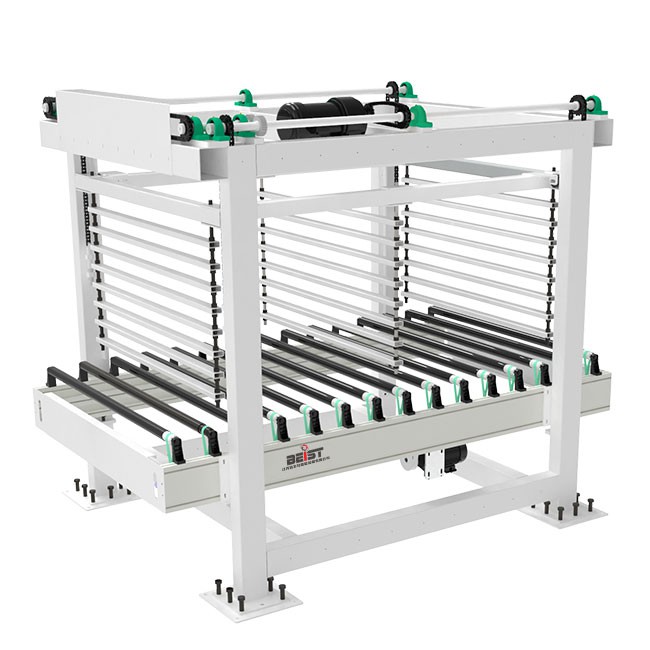
Finally, choosing the right conveyor components is essential. Opt for components that are specifically designed for use in narrow spaces. These components are often more compact and easier to install and maintain.
If you're facing the task of installing a powered roller conveyor - gap in a narrow space, we're here to help. As a leading supplier of these systems, we have the expertise and the high - quality products to ensure a successful installation. Our team can assist you in every step of the process, from planning and design to installation and after - sales support. If you're interested in learning more about our products or discussing your specific requirements, please feel free to reach out for a consultation. We look forward to working with you to overcome the challenges of installing your powered roller conveyor - gap in a narrow space.
References
- Conveyor Installation Guidelines. [Publisher Name]. [Year of Publication]
- Safety Standards for Industrial Conveyor Systems. [Standard Organization Name]. [Year of Release]
- Space - Saving Solutions for Conveyor Installations. [Journal Name], [Volume], [Issue], [Year of Publication]