Hey there! As a supplier of hydraulic lift tables, I've seen firsthand the incredible versatility and wide range of applications these machines have. In this blog post, I'm gonna break down some of the most common and interesting uses for hydraulic lift tables.
Warehouse and Distribution Centers
One of the primary places you'll find hydraulic lift tables is in warehouse and distribution centers. These facilities deal with a high volume of goods that need to be moved, sorted, and stored efficiently.
Loading and Unloading
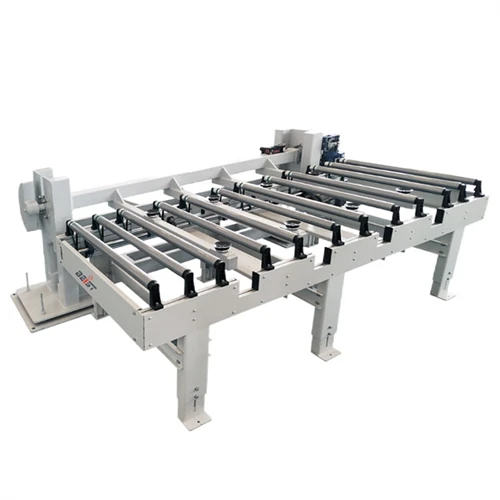
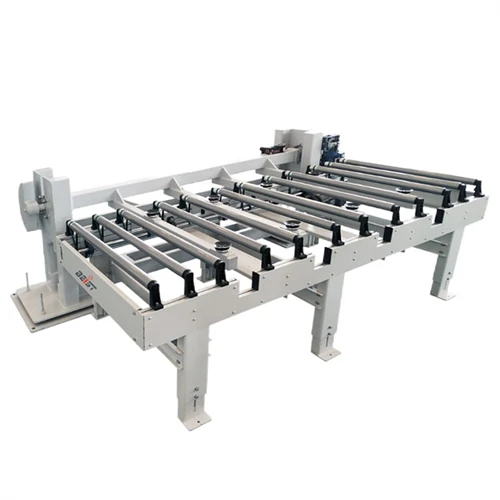
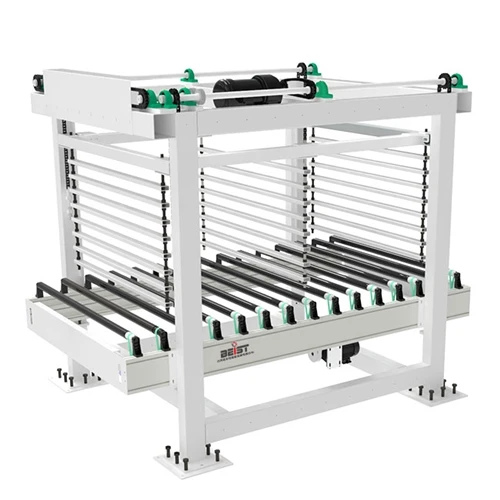
Hydraulic lift tables are a game - changer when it comes to loading and unloading trucks. They can be adjusted to the height of the truck bed, making it easier for workers to transfer heavy pallets or boxes. Instead of struggling to lift heavy items up or down, the lift table does the hard work. For example, a Powered Roller Conveyor Lift Table can be used to automatically move goods from the lift table onto the truck or vice versa. This not only speeds up the process but also reduces the risk of injury to workers.
Order Picking
In a large warehouse, order picking can be a time - consuming task. Hydraulic lift tables can be used to raise workers to different levels of shelving. Workers can stand on the lift table and easily access items at various heights without having to use ladders or other less stable equipment. This improves efficiency and safety in the order - picking process.
Inventory Storage
Some warehouses use hydraulic lift tables to stack pallets higher. By lifting pallets to a greater height, more inventory can be stored in a given space. A Conveyor Top Hydraulic Lift Table can be used to move pallets onto high - level storage racks. This maximizes the use of vertical space in the warehouse, which is especially important in areas where floor space is limited.
Manufacturing Plants
Manufacturing plants also rely heavily on hydraulic lift tables for a variety of tasks.
Assembly Line Work
In an assembly line, parts often need to be at the right height for workers to assemble them easily. Hydraulic lift tables can be adjusted to the perfect working height for each stage of the assembly process. For example, if a worker is assembling a large machine, the lift table can be set at a height that allows them to work comfortably without having to bend or reach too far. This improves the quality of the assembly and reduces worker fatigue.
Material Handling
Manufacturing plants deal with a lot of raw materials and finished products. Hydraulic lift tables can be used to move these materials around the plant. They can lift heavy machinery parts, barrels of chemicals, or large sheets of metal. A Lift Table with Conveyor Top can be integrated into the production line to transfer materials smoothly between different workstations.
Quality Control
During the manufacturing process, products need to be inspected for quality. Hydraulic lift tables can be used to raise products to a height where inspectors can easily examine them. This ensures that any defects are detected early in the production process, reducing waste and improving overall product quality.
Automotive Industry
The automotive industry has some unique applications for hydraulic lift tables.
Vehicle Maintenance
In auto repair shops, hydraulic lift tables are essential for lifting cars, trucks, and other vehicles. Mechanics can use them to access the undercarriage of a vehicle easily. Whether it's changing the oil, replacing the brakes, or working on the transmission, the lift table provides a stable and safe platform for the mechanic to work on. There are different types of lift tables available, including two - post and four - post models, depending on the specific needs of the repair shop.
Vehicle Assembly
In automotive manufacturing plants, hydraulic lift tables are used to lift car bodies during the assembly process. They can be adjusted to different heights to allow workers to install components such as engines, seats, and interiors. This makes the assembly process more efficient and precise.
Retail and Commercial Spaces
Even in retail and commercial spaces, hydraulic lift tables have their uses.
Store Stocking
Retail stores often receive large shipments of merchandise. Hydraulic lift tables can be used to unload these shipments and move the products to the sales floor or storage areas. They make it easier for store employees to handle heavy boxes and pallets, reducing the time and effort required to restock the shelves.
Display Setup
When setting up displays in a store, hydraulic lift tables can be used to raise large items or create multi - level displays. For example, a furniture store might use a lift table to raise a large sofa to a higher level for better visibility. This can enhance the visual appeal of the store and attract more customers.
Construction Sites
Construction sites also benefit from the use of hydraulic lift tables.
Material Lifting
On a construction site, there is a constant need to lift building materials such as bricks, cement bags, and lumber to different levels of a building under construction. Hydraulic lift tables can be used to safely and efficiently move these materials. They can be set up at different locations on the site to provide easy access to the materials where they are needed.
Worker Access
In some cases, workers need to access high - up areas of a building during construction. Hydraulic lift tables can be used to raise workers to these areas. This is a safer alternative to using ladders, especially when workers need to carry tools and materials with them.
Conclusion
As you can see, hydraulic lift tables have a wide range of applications across various industries. From warehouses and manufacturing plants to automotive shops and construction sites, these machines play a crucial role in improving efficiency, safety, and productivity.
If you're in the market for a hydraulic lift table, whether it's a Powered Roller Conveyor Lift Table, a Conveyor Top Hydraulic Lift Table, or a Lift Table with Conveyor Top, I'd love to have a chat with you. We can discuss your specific needs and find the perfect lift table solution for your business. Don't hesitate to reach out if you have any questions or want to start a procurement discussion.


References
- Industrial Equipment Handbook
- Automotive Manufacturing Best Practices Guide
- Warehouse and Distribution Center Operations Manual