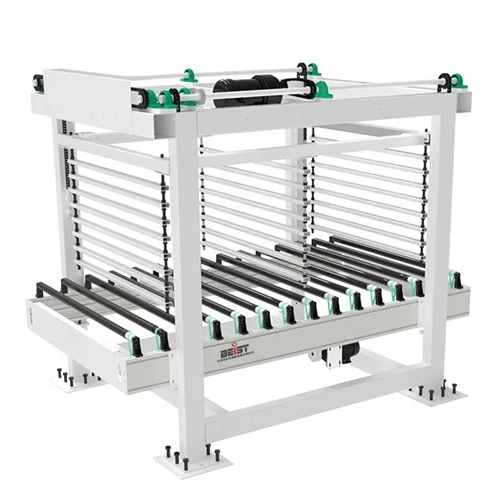
As a provider of Sorting Roller Conveyors, I understand the significance of properly training operators to ensure the efficient and safe use of our equipment. In this blog post, I'll share a comprehensive guide on how to train operators to use a sorting roller conveyor effectively.
Pre - training Preparation
Before starting the actual training, it's essential to make some preparations. First, gather all the necessary training materials, including the conveyor's user manual, safety guidelines, and operation flowcharts. These materials should be well - organized and easy to access.
Secondly, assess the operators' prior knowledge and skills. This can be done through a simple questionnaire or interview. Understanding their baseline knowledge will help you tailor the training to their specific needs. For example, if some operators have experience with other types of conveyors, you can focus more on the unique features of the sorting roller conveyor.


Introduction to the Sorting Roller Conveyor
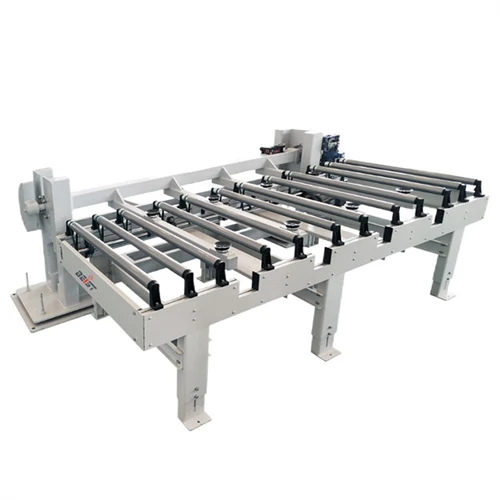
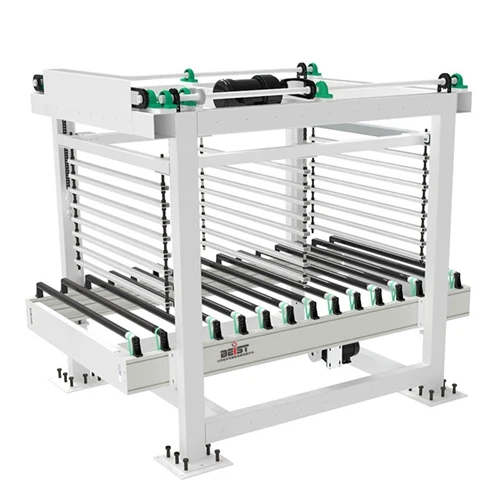
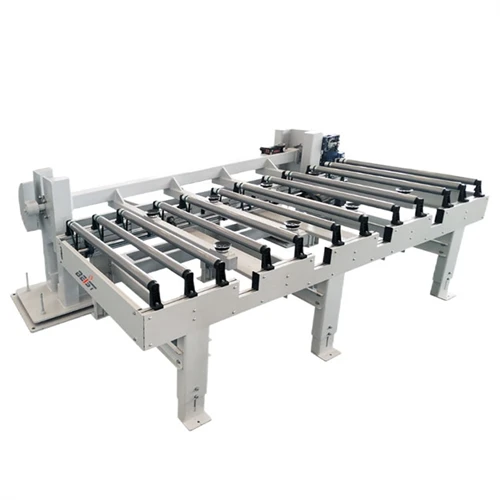
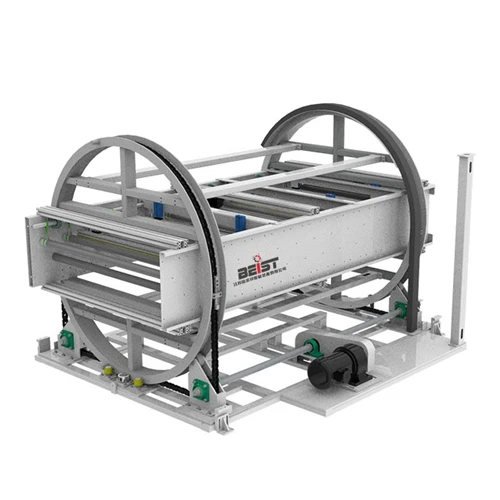
Begin the training by introducing the basic components of the sorting roller conveyor. Explain the function of each part, such as the rollers, the frame, the sorting mechanism, and the control system. Use visual aids like diagrams or actual conveyor models to make the learning process more intuitive.
Describe how the conveyor works in general. Explain the principle of material transportation on the rollers and how the sorting function is achieved. For instance, you can mention that the sorting mechanism uses sensors to detect the position and characteristics of the items on the conveyor and then diverts them to the appropriate destinations.
It's also important to highlight the advantages of using a sorting roller conveyor compared to other types of conveyors. For example, sorting roller conveyors are known for their high - speed operation, accurate sorting, and adaptability to different types of products. You can refer to our Gravity Skate Wheel Conveyor and Curved Roller Conveyor to show the variety of conveyor solutions we offer and how the sorting roller conveyor fits into the overall product line.
Safety Training
Safety should be the top priority during the training. Provide a detailed overview of the safety regulations and procedures related to the sorting roller conveyor. Explain the potential hazards, such as moving parts, pinch points, and electrical risks.
Demonstrate how to use personal protective equipment (PPE) correctly. This may include safety glasses, gloves, and safety shoes. Emphasize the importance of wearing PPE at all times when operating the conveyor.
Teach the operators how to perform safety checks before starting the conveyor. This can include checking the roller alignment, the condition of the belts (if any), and the functionality of the sensors. In addition, explain the emergency stop procedures and the location of the emergency stop buttons on the conveyor.
Operation Training
- Startup and Shutdown Procedures
- Walk the operators through the startup process step by step. Explain how to turn on the power, set the initial parameters (such as conveyor speed and sorting criteria), and perform a test run.
- Similarly, teach them the proper shutdown procedures. This includes stopping the conveyor, turning off the power, and performing any necessary post - operation maintenance tasks.
- Sorting Operation
- Demonstrate how to set up the sorting parameters. This may involve inputting the product characteristics (such as size, weight, or color) into the control system. Explain how the conveyor uses these parameters to sort the items accurately.
- Let the operators practice sorting different types of items on the conveyor. Provide them with feedback on their performance and correct any mistakes they make.
- Maintenance and Troubleshooting
- Train the operators on basic maintenance tasks, such as cleaning the rollers, lubricating the moving parts, and tightening loose bolts. Explain the frequency of these maintenance tasks and the importance of regular upkeep.
- Teach them how to identify common problems with the conveyor, such as roller jams, sensor malfunctions, or electrical issues. Provide them with a troubleshooting guide that outlines the possible causes and solutions for each problem.
Hands - on Practice
After the theoretical training, it's time for the operators to gain hands - on experience. Set up a practical training session where the operators can operate the sorting roller conveyor under your supervision.
Start with simple tasks, such as transporting a small number of items without sorting. As the operators become more comfortable, gradually introduce more complex tasks, such as sorting a large volume of items with different characteristics.
During the hands - on practice, observe the operators' performance closely. Provide immediate feedback and guidance to help them improve their skills. Encourage them to ask questions and share their experiences.
Advanced Training
For more experienced operators or those who need to handle more complex operations, advanced training can be provided. This may include training on programming the control system to create custom sorting algorithms, integrating the conveyor with other equipment in the production line, or using advanced features of the conveyor, such as remote monitoring and control.
Evaluation and Certification
At the end of the training, conduct an evaluation to assess the operators' knowledge and skills. This can be done through a written test, a practical demonstration, or a combination of both.
Those who pass the evaluation should receive a certification indicating that they are qualified to operate the sorting roller conveyor. This certification can be used as proof of their competence and may be required by some companies for regulatory or safety reasons.
Conclusion
Properly training operators to use a sorting roller conveyor is crucial for ensuring the efficient and safe operation of the equipment. By following the steps outlined in this guide, you can provide comprehensive training that covers all aspects of conveyor operation, from basic knowledge to advanced skills.
If you're interested in our Sorting Roller Conveyors or need more information about our training programs, please feel free to contact us for further discussion and potential procurement. We're committed to providing high - quality conveyor solutions and excellent training support to our customers.
References
- Manufacturer's User Manual for Sorting Roller Conveyor
- Industry Standards for Conveyor Safety and Operation
- Internal Training Materials Developed by Our Company