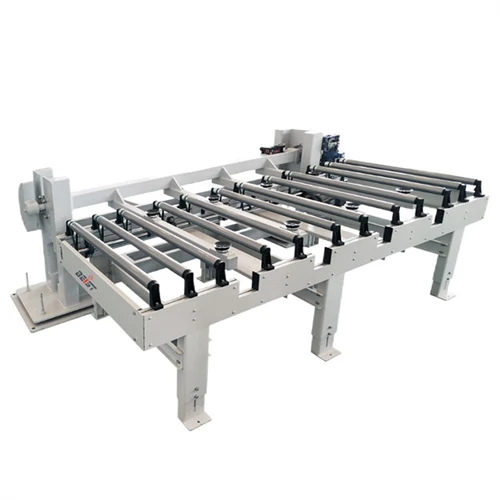
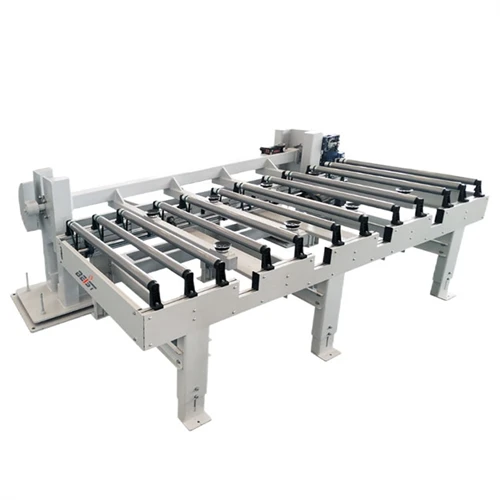
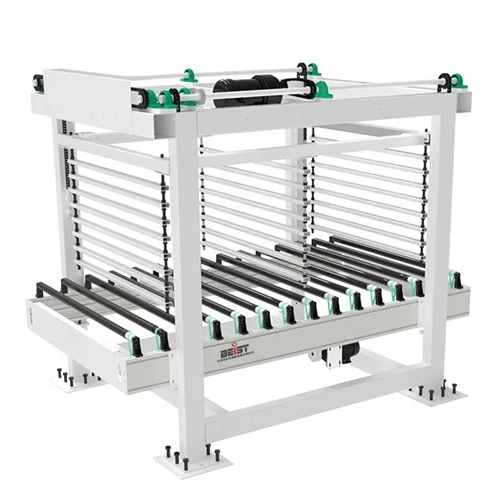
Hey there! As a supplier of Powered Roller Conveyor - Fold, I'm stoked to share with you how to test the functionality of a newly installed unit. This process is crucial to ensure that your conveyor system runs smoothly and efficiently right from the get - go.
Pre - Test Checks
Before you even think about firing up the conveyor, there are some basic checks you need to do. First off, take a good look at the physical installation. Make sure all the components are properly aligned. Misaligned rollers can cause all sorts of problems down the line, like uneven product movement or even jams. Check the frame for any signs of damage, like cracks or bends. A wobbly frame can lead to instability during operation.
Inspect the power supply. Ensure that the electrical connections are tight and there are no loose wires. Any loose connections can result in power fluctuations, which might damage the conveyor's motor or other electrical components. Also, verify that the voltage and frequency of the power source match the conveyor's requirements.
Next, examine the rollers themselves. They should rotate freely without any signs of binding. You can give them a gentle spin by hand to check. If a roller is hard to turn, it could be due to debris buildup or a mechanical issue. Clean the rollers if necessary, and make sure there are no foreign objects stuck between them.
Initial Power - On Test
Once you've completed the pre - test checks, it's time to power on the conveyor. Start by turning on the power switch. Listen carefully for any unusual noises. A grinding or screeching sound could indicate a problem with the motor, bearings, or drive system. If you hear anything out of the ordinary, turn off the power immediately and investigate.
Observe the movement of the rollers. They should all start rotating at the same time and at a consistent speed. If some rollers are moving slower or not at all, there might be an issue with the drive mechanism. Check the belts or chains that connect the rollers to the motor. They could be loose, worn out, or misaligned.
Load Testing
After the initial power - on test, it's time to do some load testing. Start by placing a small, lightweight item on the conveyor. Observe how it moves along the conveyor. It should move smoothly without any jerks or stops. If the item gets stuck or moves erratically, it could be due to uneven roller speed or a problem with the conveyor's surface.


Gradually increase the weight of the items you place on the conveyor. Make sure to stay within the conveyor's rated load capacity. As you increase the load, pay close attention to how the conveyor performs. The motor should be able to handle the additional weight without overheating or slowing down significantly. If the motor starts to struggle, it could be a sign that the conveyor is overloaded or that there is a problem with the drive system.
Direction and Speed Testing
Most Powered Roller Conveyors - Fold can operate in different directions and at various speeds. Test the conveyor's ability to change directions. Switch the direction of the conveyor and observe how quickly and smoothly it makes the transition. There should be no hesitation or sudden jolts.
Next, test the different speed settings. Adjust the speed control and see how the conveyor responds. The speed should change gradually and evenly. If there are sudden jumps in speed or if the conveyor doesn't respond to the speed adjustment, there could be an issue with the speed control mechanism.
Safety Feature Testing
Safety is always a top priority when it comes to conveyor systems. Test the emergency stop button. Press it and make sure the conveyor stops immediately. This is a critical safety feature that can prevent accidents in case of an emergency.
Check the safety guards. They should be properly installed and in good condition. Try to remove a guard while the conveyor is running (of course, in a controlled environment). The conveyor should stop automatically if a guard is removed, as this indicates that the safety interlock system is working correctly.
Integration with Other Equipment
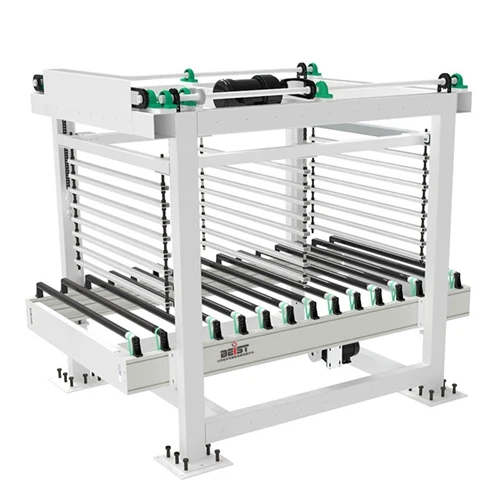
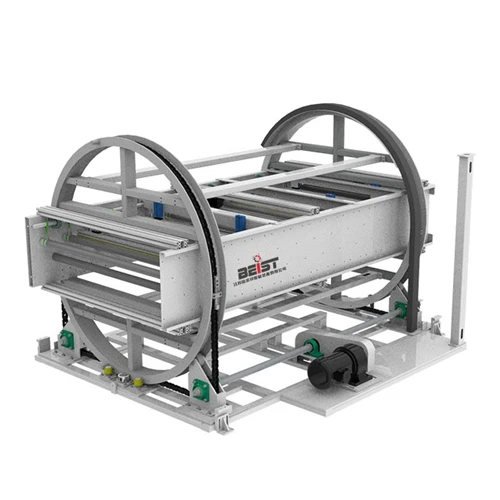
If your Powered Roller Conveyor - Fold is integrated with other equipment, such as a Single Arm Panel Over Turner, Chain Driven Live Roller Conveyor, or Fully Automatic Gantry Manipulator, you need to test the integration.
Make sure that the conveyor can communicate effectively with the other equipment. For example, if the conveyor is supposed to transfer items to the Single Arm Panel Over Turner at a specific point, test this process. The items should be transferred smoothly and accurately.
Long - Term Testing
After all the initial tests are completed successfully, it's a good idea to run the conveyor for an extended period. This long - term testing can help you identify any potential issues that might not show up during the short - term tests.
Monitor the conveyor's performance over a few hours or even days. Check the temperature of the motor and other components regularly. If a component starts to overheat, it could be a sign of a problem. Also, keep an eye on the wear and tear of the belts, chains, and rollers. Replace any worn - out parts as needed.
Conclusion
Testing the functionality of a newly installed Powered Roller Conveyor - Fold is a comprehensive process that involves multiple steps. By following these steps, you can ensure that your conveyor system operates safely and efficiently. If you have any questions or need further assistance with testing or installation, don't hesitate to reach out. We're here to help you make the most of your conveyor system. Whether you're looking to purchase a new conveyor or need support for an existing one, we're just a message away. Let's start a conversation about your specific needs and how we can provide the best solution for you.
References
- Conveyor System Installation and Maintenance Manuals
- Industry Standards for Powered Conveyor Testing