As a supplier of Powered Roller Conveyors, I understand the importance of maintaining and replacing components to ensure the smooth operation of these essential industrial machines. One of the common maintenance tasks is replacing the motor in a powered roller conveyor. In this blog post, I'll guide you through the process step by step.


Understanding the Basics of a Powered Roller Conveyor
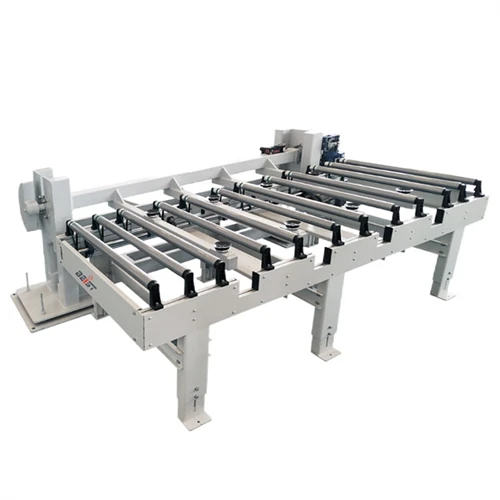
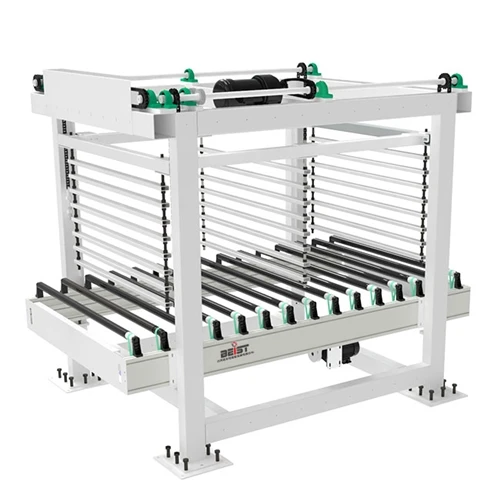
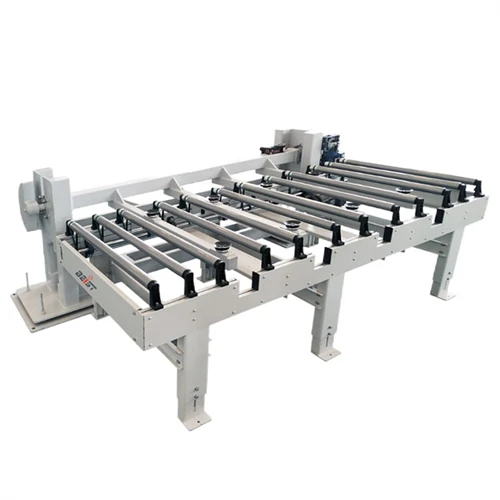
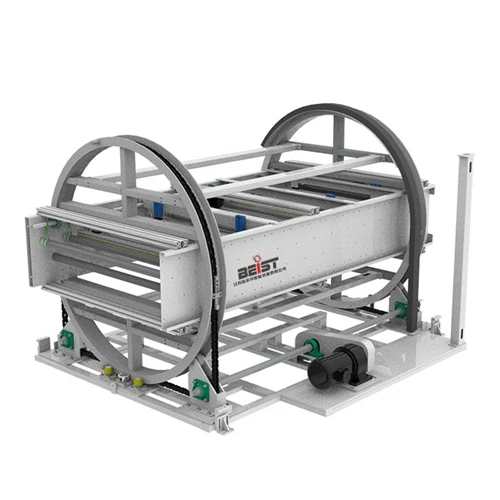
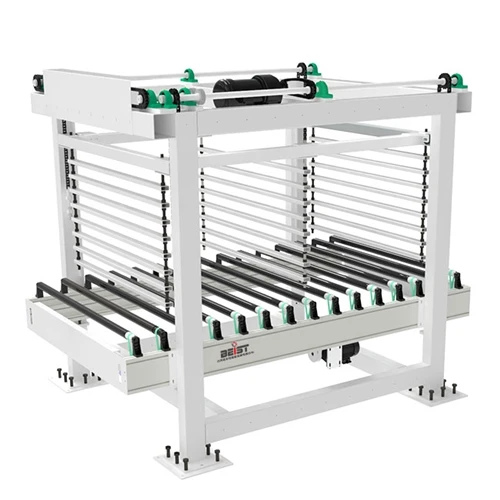
Before we dive into the motor replacement process, it's crucial to have a basic understanding of how a powered roller conveyor works. A powered roller conveyor consists of a series of rollers that are driven by a motor. The motor provides the power to rotate the rollers, which in turn move the products along the conveyor. There are different types of powered roller conveyors, such as the Cross Conveyor Bi - Directional, Heavy Duty Powered Roller Conveyor, and Powered Roller Conveyor - Centre. Each type may have specific motor requirements, but the general replacement process remains similar.
Tools and Materials You'll Need
- Wrenches and Screwdrivers: Various sizes of wrenches and screwdrivers will be needed to remove and install bolts and screws.
- Socket Set: A socket set can be very useful for removing nuts and bolts in tight spaces.
- Pliers: Pliers can be used to grip and pull wires or small components.
- New Motor: Make sure the new motor has the same specifications as the old one, including power rating, speed, and mounting dimensions.
- Safety Equipment: Safety glasses, gloves, and steel - toed boots are essential to protect yourself during the replacement process.
Step 1: Safety First
Before starting any work on the conveyor, it's essential to follow safety procedures.
- Power Off: Turn off the power supply to the conveyor at the main switch. This will prevent any accidental start - up of the conveyor during the replacement process.
- Lockout/Tagout: Use a lockout/tagout device to secure the power switch and prevent anyone from turning it on while you're working.
- Inspect the Area: Check the area around the conveyor for any hazards, such as loose objects or slippery floors.
Step 2: Identify the Motor Location
The motor is usually located at one end of the conveyor. It may be mounted on a frame or bracket. In some cases, it may be enclosed in a protective housing. Look for the motor and note its position and how it is attached to the conveyor.
Step 3: Disconnect the Electrical Connections
- Label the Wires: Before disconnecting any wires, label them to ensure that you can reconnect them correctly later. Use a marker or tape to mark each wire with its corresponding terminal or connection point.
- Disconnect the Wires: Use pliers or a screwdriver to loosen the terminal screws and remove the wires from the motor. Be careful not to damage the wires or the terminals.
Step 4: Remove the Motor Mounting Bolts
Locate the bolts that hold the motor to the conveyor frame or bracket. Use a wrench or socket set to loosen and remove these bolts. Keep the bolts in a safe place, as you'll need them to install the new motor.
Step 5: Remove the Old Motor
Once the mounting bolts are removed, carefully lift the old motor out of its position. Be aware that the motor may be heavy, so use proper lifting techniques to avoid injury.
Step 6: Prepare the New Motor
- Inspect the New Motor: Check the new motor for any damage during shipping. Make sure all the components are intact and that the motor has the correct specifications.
- Apply Lubrication (if necessary): Some motors may require lubrication of certain parts before installation. Refer to the motor's manual for specific lubrication instructions.
Step 7: Install the New Motor
- Position the Motor: Place the new motor in the same position as the old one. Align the mounting holes on the motor with the holes on the conveyor frame or bracket.
- Insert the Mounting Bolts: Insert the mounting bolts through the holes and tighten them using a wrench or socket set. Make sure the motor is securely fastened to the conveyor.
Step 8: Reconnect the Electrical Connections
- Follow the Labels: Use the labels you made earlier to reconnect the wires to the correct terminals on the new motor. Tighten the terminal screws to ensure a good electrical connection.
- Inspect the Connections: Check all the connections to make sure they are secure and there are no loose wires.
Step 9: Test the New Motor
- Power On: After all the connections are made, remove the lockout/tagout device and turn on the power supply to the conveyor at the main switch.
- Initial Check: Observe the motor as it starts up. Listen for any unusual noises or vibrations. Check if the rollers are rotating smoothly.
- Load Test: If possible, run the conveyor with a light load to ensure that the motor can handle the normal operating conditions.
Step 10: Final Checks
- Inspect the Conveyor: Check the entire conveyor for any signs of damage or misalignment that may have occurred during the motor replacement process.
- Clean Up: Remove any tools and debris from the area around the conveyor.
Troubleshooting
If you encounter any problems during or after the motor replacement, here are some common issues and solutions:
- Motor Does Not Start: Check the electrical connections to make sure they are secure. Also, check the power supply to ensure that it is providing the correct voltage.
- Excessive Noise or Vibration: This could be due to misalignment of the motor or a problem with the bearings. Check the motor's mounting and alignment, and if necessary, consult a professional.
Contact Us for More Information
If you have any further questions about replacing the motor in a powered roller conveyor or if you're interested in purchasing a new conveyor or motor, we're here to help. Our team of experts can provide you with detailed advice and support. Whether you need a Cross Conveyor Bi - Directional, Heavy Duty Powered Roller Conveyor, or Powered Roller Conveyor - Centre, we have a wide range of products to meet your needs. Contact us today to start a procurement discussion and find the best solution for your business.
References
- Conveyor Belt Handbook, published by industry - leading conveyor manufacturers.
- Motor Installation and Maintenance Guides provided by motor manufacturers.