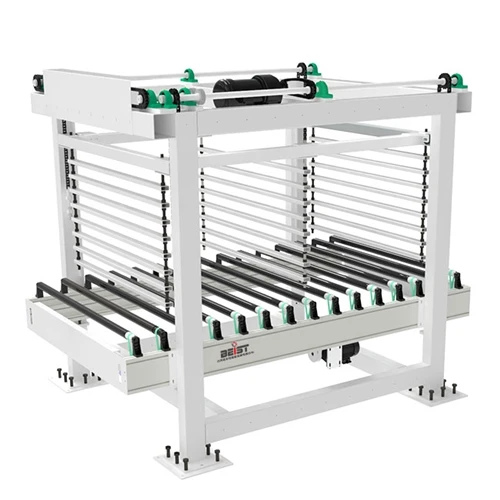
Hey there! I'm a supplier of Carbon Steel Belt Conveyors, and today I'm gonna walk you through the process of replacing the belt in a carbon steel belt conveyor. It might seem a bit daunting at first, but with the right steps and a bit of know - how, you'll have your conveyor up and running smoothly again in no time.


1. Safety First
Before you even think about touching the conveyor, safety is key. You need to make sure the conveyor is completely powered off. This means switching off the main power supply and locking it out if possible. You don't want the conveyor to suddenly start up while you're working on it. Wear appropriate safety gear like gloves and safety glasses. The belt and the conveyor parts can be sharp, and you don't want any injuries.
2. Gather Your Tools
You'll need a few tools for this job. A set of wrenches is essential for loosening and tightening bolts. You'll also need a pry bar to help you remove the old belt. A measuring tape can come in handy to make sure the new belt is the right size. And don't forget a clean cloth to wipe down the conveyor parts.
3. Remove the Old Belt
Start by locating the tensioning device on the conveyor. This is usually a set of bolts or a mechanism that allows you to adjust the tension of the belt. Loosen the tensioning device to relieve the pressure on the belt. Once the tension is off, use the pry bar to gently lift the belt off the rollers. Be careful not to damage the rollers or any other parts of the conveyor.
As you remove the belt, pay attention to how it's routed around the rollers and pulleys. You'll need to route the new belt in the same way. If possible, take a picture or make a sketch of the belt's path. This will make it easier when it's time to install the new belt.
4. Inspect the Conveyor
While the old belt is off, take a good look at the conveyor. Check the rollers for any signs of damage or wear. If a roller is damaged, it might need to be replaced. Also, inspect the pulleys. Make sure they're clean and free of any debris. If there's any buildup on the pulleys, use the clean cloth to wipe it off.
5. Choose the Right Belt
Selecting the right belt is crucial. You need to make sure the belt is the correct size and material for your conveyor. Measure the length and width of the old belt, and use these measurements to find a replacement. At our company, we offer a wide range of high - quality belts that are designed to work perfectly with our carbon steel belt conveyors.
6. Install the New Belt
Now it's time to install the new belt. Start by routing the belt around the rollers and pulleys in the same way as the old belt. You can refer to your picture or sketch if you need to. Once the belt is in place, use the tensioning device to apply tension to the belt. Make sure the belt is evenly tensioned across the width of the conveyor.
7. Test the Conveyor
After the new belt is installed, it's time to test the conveyor. Power it on and let it run for a few minutes. Watch the belt closely to make sure it's running smoothly. Check for any signs of slipping or misalignment. If you notice any issues, stop the conveyor immediately and make the necessary adjustments.
8. Maintenance Tips
To keep your conveyor and its belt in good condition, regular maintenance is essential. Clean the belt and the conveyor regularly to prevent the buildup of debris. Check the tension of the belt periodically and adjust it if necessary. Also, lubricate the rollers and pulleys as recommended by the manufacturer.
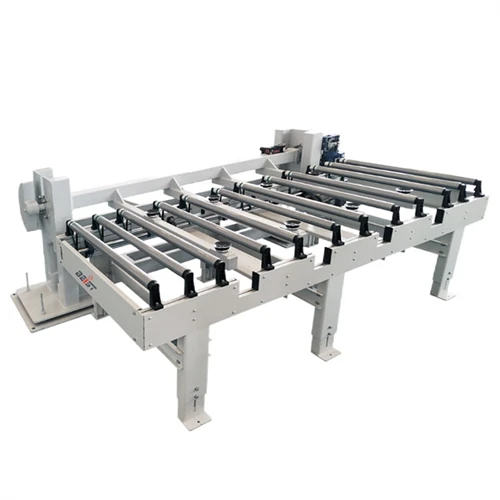
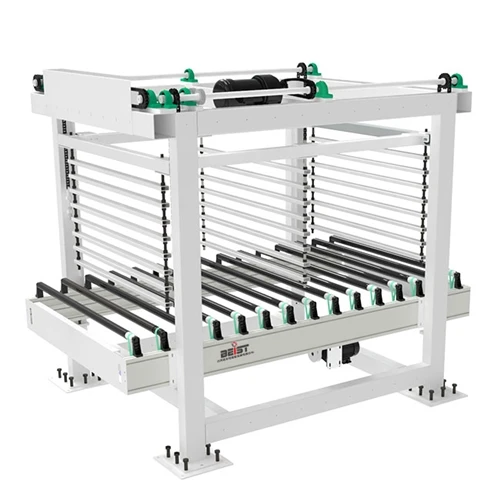
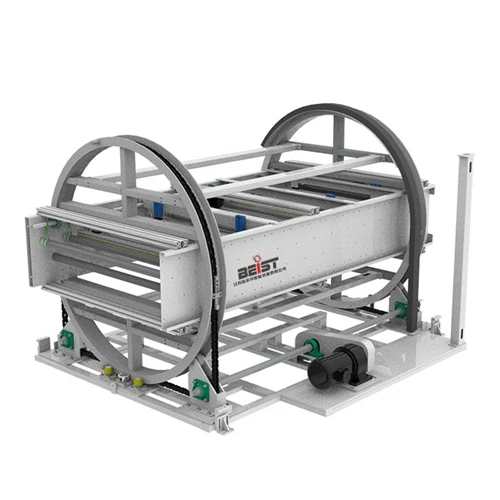
If you're looking for other types of conveyors, we also offer Powered Roller Conveyor, Heavy Duty Powered Roller Conveyor, and Cross Conveyor Bi - Directional. These conveyors are also built with high - quality materials and are designed to provide reliable performance.
In conclusion, replacing the belt in a carbon steel belt conveyor is a task that can be done with the right tools and knowledge. By following these steps, you can ensure that your conveyor continues to operate efficiently. If you have any questions or if you're interested in purchasing a new belt or a conveyor, don't hesitate to contact us. We're here to help you find the best solutions for your business.
References:
- General industry knowledge on conveyor belt replacement
- Manufacturer's manuals for carbon steel belt conveyors