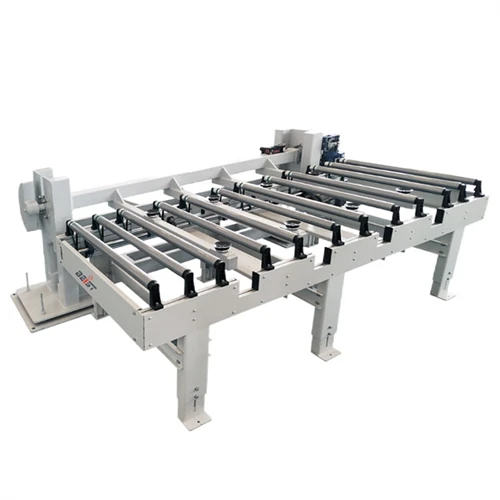
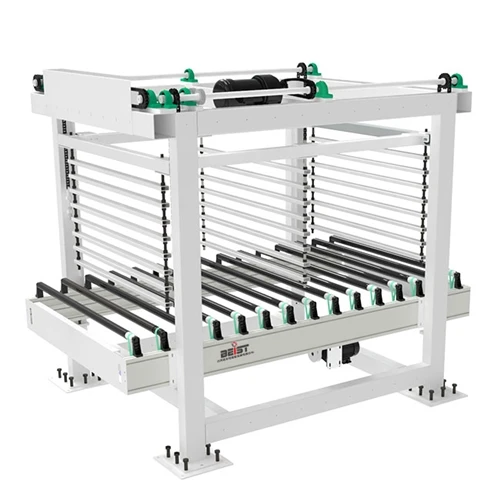
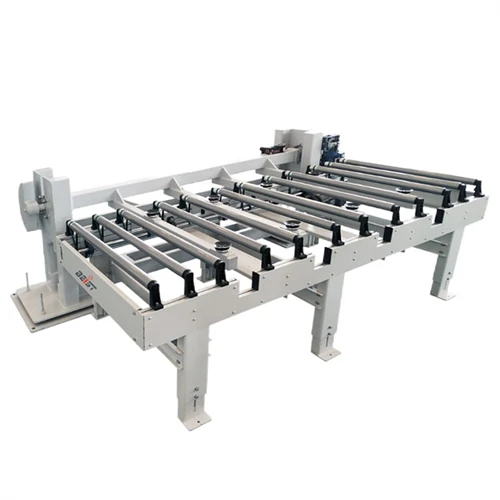
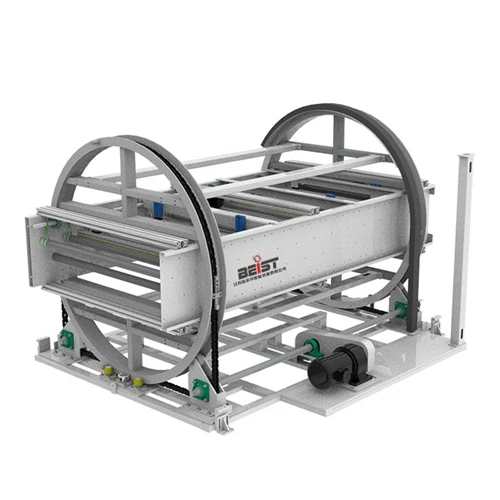
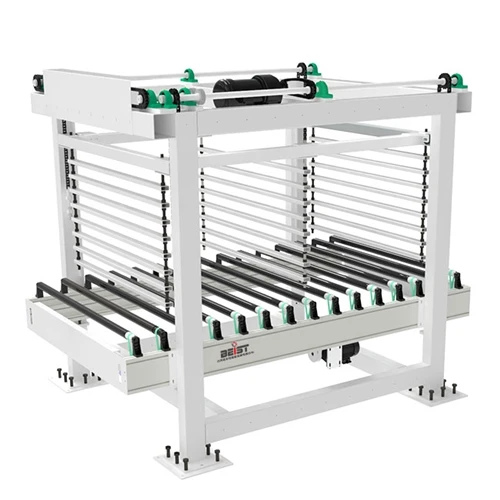
Hey there! As a supplier of Ball Transfer Table Conveyors, I've seen my fair share of issues with these machines. One of the most common problems that customers face is excessive vibration. Not only can this be annoying, but it can also lead to premature wear and tear on the conveyor, as well as potential safety hazards. In this blog post, I'm going to share some tips on how to reduce the vibration of a ball transfer table conveyor.
Understanding the Causes of Vibration
Before we dive into the solutions, it's important to understand what causes vibration in the first place. There are several factors that can contribute to excessive vibration in a ball transfer table conveyor:
- Imbalanced Loads: If the load on the conveyor is not evenly distributed, it can cause the conveyor to vibrate. This is especially true if the load is heavy or if it is placed off-center.
- Worn or Damaged Components: Over time, the components of the conveyor, such as the balls, bearings, and rollers, can wear out or become damaged. This can cause the conveyor to vibrate as it operates.
- Loose or Improperly Installed Parts: If the conveyor is not installed correctly or if the parts are loose, it can cause the conveyor to vibrate. This is especially true if the conveyor is not level or if the bolts and nuts are not tightened properly.
- High-Speed Operation: If the conveyor is operating at a high speed, it can cause the conveyor to vibrate. This is because the high speed can cause the balls and rollers to bounce around, which can lead to vibration.
Tips for Reducing Vibration
Now that we understand the causes of vibration, let's take a look at some tips on how to reduce it:
- Balance the Load: Make sure that the load on the conveyor is evenly distributed. If the load is heavy, consider using multiple conveyors or dividing the load into smaller, more manageable pieces. This will help to reduce the stress on the conveyor and prevent it from vibrating.
- Inspect and Replace Worn or Damaged Components: Regularly inspect the components of the conveyor, such as the balls, bearings, and rollers, for wear and damage. If you notice any worn or damaged components, replace them immediately. This will help to ensure that the conveyor operates smoothly and without vibration.
- Tighten Loose Parts and Ensure Proper Installation: Check the conveyor for loose or improperly installed parts. Make sure that the conveyor is level and that the bolts and nuts are tightened properly. If you notice any loose or damaged parts, tighten or replace them as needed. This will help to prevent the conveyor from vibrating.
- Reduce the Speed of the Conveyor: If the conveyor is operating at a high speed, consider reducing the speed. This will help to reduce the stress on the conveyor and prevent it from vibrating. You can also consider using a variable speed drive to adjust the speed of the conveyor as needed.
- Use Anti-Vibration Pads: Anti-vibration pads can be placed under the conveyor to help absorb the vibration. These pads are made of a soft, rubber-like material that helps to dampen the vibration and prevent it from spreading to the surrounding area. You can purchase anti-vibration pads from most industrial supply stores.
- Maintain the Conveyor Regularly: Regular maintenance is essential for keeping the conveyor operating smoothly and without vibration. Make sure to clean the conveyor regularly and lubricate the moving parts as needed. You should also inspect the conveyor for any signs of wear or damage and replace any worn or damaged components immediately.
Additional Resources
If you're looking for more information on ball transfer table conveyors or other types of conveyors, I recommend checking out the following resources:


- Conveyor Platform for Cold Press: This website provides information on conveyor platforms for cold presses, which are used in a variety of industries.
- Unpowered Roller Conveyor: This website provides information on unpowered roller conveyors, which are a popular choice for many industries.
- Transfer Cart with Turntable: This website provides information on transfer carts with turntables, which are used to move heavy loads from one location to another.
Conclusion
Reducing the vibration of a ball transfer table conveyor is essential for ensuring its smooth operation and longevity. By following the tips outlined in this blog post, you can help to reduce the vibration of your conveyor and prevent it from causing premature wear and tear. If you have any questions or need further assistance, please don't hesitate to contact me. I'm always happy to help!
If you're in the market for a new ball transfer table conveyor or need to replace an existing one, I encourage you to reach out to me. I can provide you with more information about our products and help you find the right conveyor for your needs. Let's start a conversation and see how we can work together to improve your operations.
References
- Conveyor Handbook, Various Industry Publications
- Manufacturer's Guides for Ball Transfer Table Conveyors