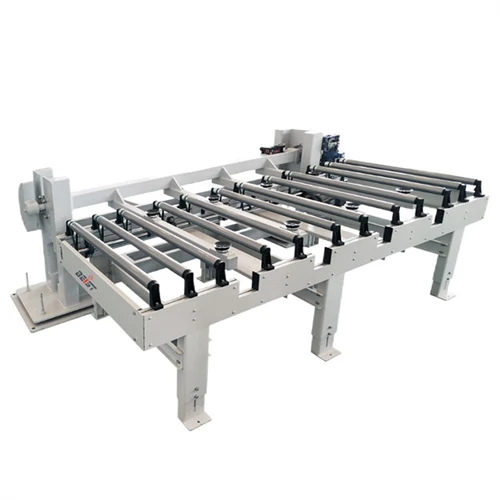
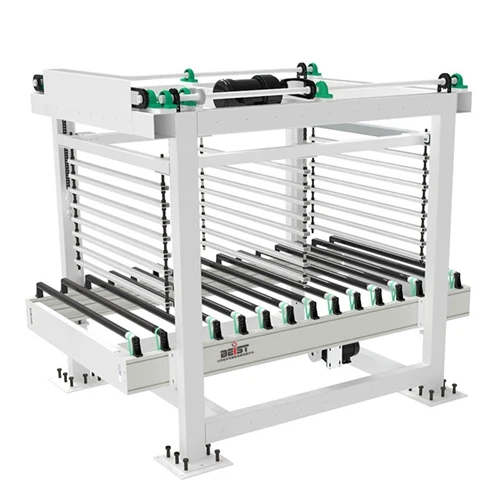
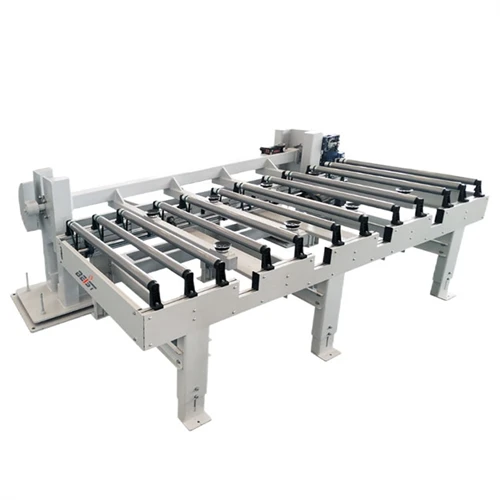
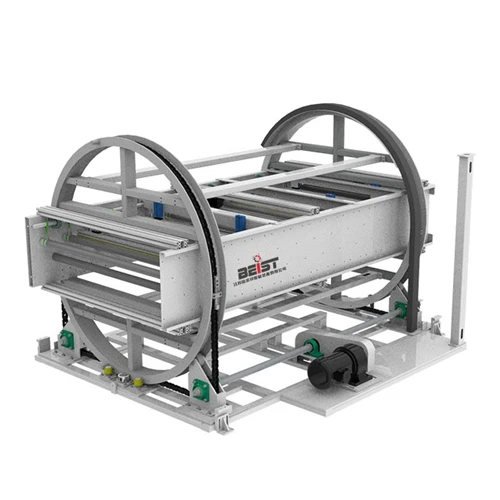
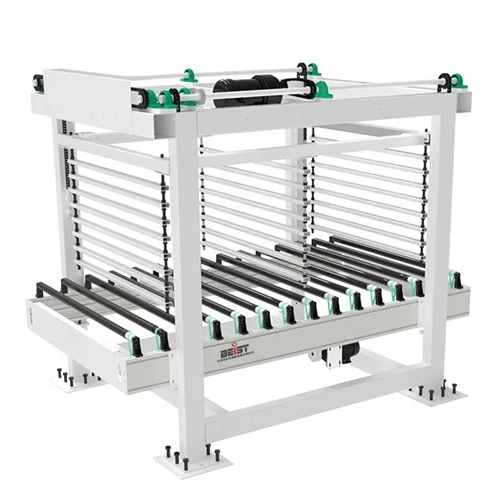
Optimizing the operation of a lift table with a conveyor top is crucial for enhancing efficiency, safety, and productivity in various industrial settings. As a supplier of lift tables with conveyor tops, I understand the importance of ensuring that these machines operate at their best. In this blog post, I will share some valuable insights and practical tips on how to optimize the operation of a lift table with a conveyor top.
Understanding the Basics of a Lift Table with Conveyor Top
Before delving into optimization strategies, it's essential to have a clear understanding of what a lift table with a conveyor top is and how it functions. A lift table with a conveyor top is a versatile piece of equipment that combines the lifting capabilities of a traditional lift table with the conveying functionality of a conveyor system. This allows for the efficient movement and positioning of materials at different heights, making it ideal for applications such as loading and unloading, assembly lines, and material handling.
The lift table component typically uses hydraulic, electric, or pneumatic power to raise and lower the platform, while the conveyor top can be belt-driven, roller-driven, or chain-driven, depending on the specific requirements of the application. The combination of these two features enables seamless transfer of goods between different levels and workstations, reducing manual labor and improving overall workflow.
Regular Maintenance and Inspection
One of the most important aspects of optimizing the operation of a lift table with a conveyor top is regular maintenance and inspection. Just like any other industrial equipment, lift tables with conveyor tops require routine upkeep to ensure optimal performance and longevity. Here are some key maintenance tasks to consider:
Lubrication: Proper lubrication of moving parts, such as hydraulic cylinders, bearings, and conveyor belts, is essential to reduce friction and wear. Follow the manufacturer's recommendations for lubricant type and frequency of application.
Belt Tension: Check the tension of the conveyor belt regularly to ensure it is neither too loose nor too tight. A loose belt can cause slippage and reduced efficiency, while an overly tight belt can put excessive strain on the motor and other components.
Hydraulic System: If your lift table uses a hydraulic system, inspect the hydraulic fluid level, hoses, and fittings for leaks and damage. Replace any worn or damaged components promptly to prevent system failures.
Electrical Components: Examine the electrical wiring, switches, and controls for signs of wear, corrosion, or loose connections. Ensure that all electrical components are properly grounded to prevent electrical hazards.
Structural Integrity: Inspect the frame and structure of the lift table for any signs of cracks, deformation, or loose bolts. Address any structural issues immediately to maintain the safety and stability of the equipment.
By performing regular maintenance and inspections, you can identify and address potential problems before they escalate, minimizing downtime and costly repairs.


Operator Training and Safety
Another critical factor in optimizing the operation of a lift table with a conveyor top is proper operator training and safety. Even the most advanced and well-maintained equipment can only perform at its best if it is operated correctly and safely. Here are some important considerations for operator training and safety:
- Comprehensive Training: Provide thorough training to all operators on the proper use, operation, and maintenance of the lift table with conveyor top. This should include instruction on how to start and stop the equipment, adjust the lift height and conveyor speed, and perform basic troubleshooting.
- Safety Procedures: Establish and enforce strict safety procedures for operating the lift table with conveyor top. This may include wearing appropriate personal protective equipment (PPE), such as safety glasses, gloves, and hard hats, and following safe work practices, such as keeping hands and feet clear of moving parts and avoiding overloading the equipment.
- Emergency Stop: Ensure that all operators are familiar with the location and operation of the emergency stop button on the lift table with conveyor top. In the event of an emergency, the emergency stop button should be used immediately to stop the equipment and prevent further damage or injury.
- Regular Refresher Training: Conduct regular refresher training sessions for operators to reinforce safety procedures and keep them up-to-date on any changes or improvements to the equipment.
By investing in operator training and safety, you can reduce the risk of accidents and injuries, improve productivity, and ensure the long-term success of your operation.
System Integration and Automation
In today's modern industrial environment, system integration and automation are becoming increasingly important for optimizing the operation of lift tables with conveyor tops. By integrating the lift table with other equipment and systems, such as automated storage and retrieval systems (AS/RS), robotic arms, and conveyor networks, you can create a more efficient and streamlined workflow. Here are some benefits of system integration and automation:
- Increased Efficiency: Automation can reduce the need for manual labor, allowing for faster and more consistent operation of the lift table with conveyor top. This can result in increased throughput and productivity, as well as reduced labor costs.
- Improved Accuracy: Automated systems can provide precise control over the movement and positioning of materials, reducing the risk of errors and improving the quality of the finished product.
- Enhanced Safety: System integration can include safety features such as sensors, interlocks, and emergency stop buttons, which can help prevent accidents and injuries.
- Real-Time Monitoring: By integrating the lift table with a monitoring system, you can track key performance indicators (KPIs), such as lift cycle time, conveyor speed, and material throughput, in real-time. This allows you to identify and address any issues or bottlenecks quickly, optimizing the operation of the equipment.
When considering system integration and automation, it's important to work with a reputable supplier who has experience in designing and implementing integrated solutions. They can help you assess your specific needs and requirements, recommend the most suitable equipment and technologies, and provide ongoing support and maintenance.
Choosing the Right Lift Table with Conveyor Top
Finally, choosing the right lift table with conveyor top is essential for optimizing its operation. There are several factors to consider when selecting a lift table with conveyor top, including:
- Load Capacity: Determine the maximum weight and size of the materials that will be handled by the lift table with conveyor top. Choose a lift table with a load capacity that is sufficient to meet your requirements.
- Lift Height: Consider the maximum height to which the lift table needs to raise the materials. Select a lift table with a lift height that is appropriate for your application.
- Conveyor Type: Choose a conveyor type that is suitable for the materials being handled. Belt conveyors are ideal for handling lightweight and flexible materials, while roller conveyors are better suited for heavier and more rigid materials.
- Speed and Control: Consider the required speed and control of the conveyor. Some lift tables with conveyor tops offer variable speed control, allowing you to adjust the conveyor speed to match the specific requirements of your application.
- Customization Options: Look for a supplier who offers customization options, such as different platform sizes, conveyor lengths, and additional features, to ensure that the lift table with conveyor top meets your exact needs.
As a supplier of lift tables with conveyor tops, we offer a wide range of products to meet the diverse needs of our customers. Our Electric Hydraulic Lift Table provides reliable and efficient lifting performance, while our Conveyor Lifting Table with Forklift and Lifting Table with Forklift offer enhanced versatility and functionality.
In conclusion, optimizing the operation of a lift table with a conveyor top requires a combination of regular maintenance, proper operator training, system integration, and the right equipment selection. By following these tips and working with a reputable supplier, you can ensure that your lift table with conveyor top operates at its best, improving efficiency, safety, and productivity in your industrial operation.
If you are interested in learning more about our lift tables with conveyor tops or have any questions about optimizing their operation, please feel free to contact us. We would be happy to discuss your specific needs and requirements and provide you with a customized solution.