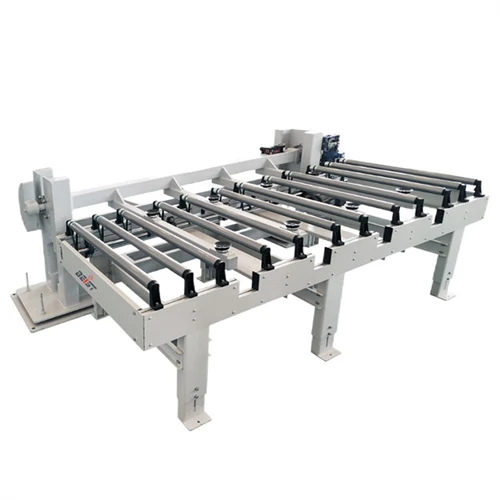
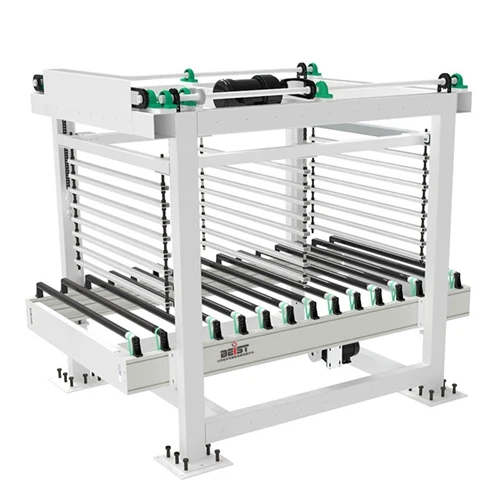
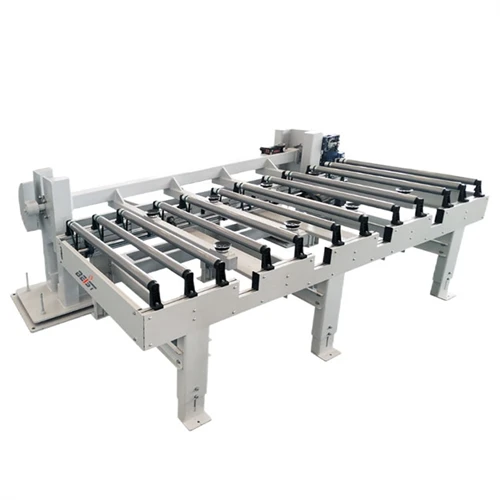
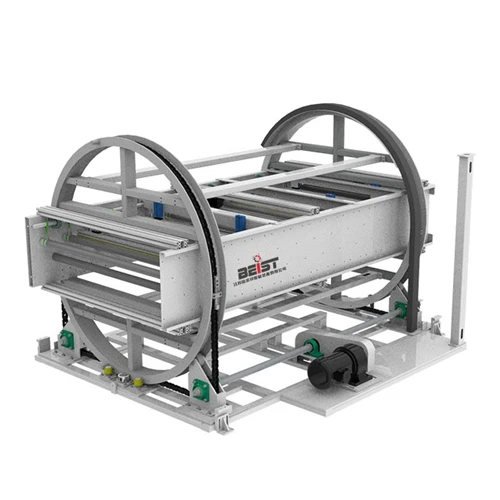
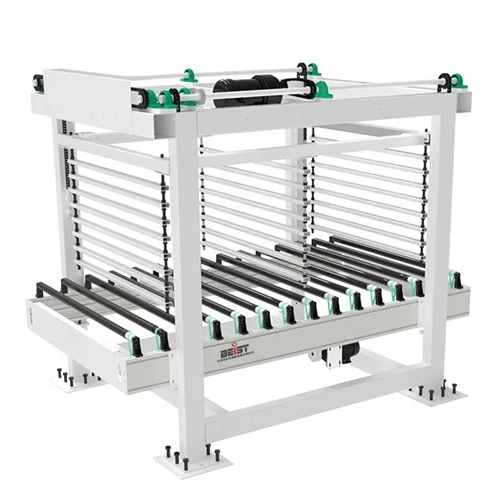
As a supplier of lift tables with conveyor tops, I understand the importance of knowing how to move these machines properly. This type of equipment is commonly used in various industries, such as manufacturing, warehousing, and logistics, to facilitate the handling and transportation of goods. Moving a lift table with a conveyor top requires careful planning and execution to ensure the safety of the operators and the integrity of the equipment. In this blog post, I will share some essential steps and considerations for moving a lift table with a conveyor top.
Step 1: Preparation
Before moving the lift table, it is crucial to conduct a thorough inspection of the equipment. Check for any signs of damage, such as cracks, leaks, or loose parts. Ensure that all safety features, such as emergency stop buttons and safety guards, are in working condition. Additionally, make sure that the conveyor belt is clean and free of any debris that could cause damage during the move.
Next, gather all the necessary tools and equipment for the move. This may include a forklift, pallet jack, or other lifting devices, depending on the size and weight of the lift table. It is also important to have appropriate safety equipment, such as safety glasses, gloves, and hard hats, for the operators.
Step 2: Securing the Conveyor Belt
One of the most important steps in moving a lift table with a conveyor top is securing the conveyor belt. This helps prevent damage to the belt during the move and ensures that it remains in place once the lift table is in its new location. To secure the conveyor belt, you can use straps or ropes to tie it down to the frame of the lift table. Make sure to tighten the straps or ropes enough to prevent the belt from moving but not so tight that it causes damage to the belt.
Another option is to use a belt clamp to hold the conveyor belt in place. Belt clamps are designed to grip the belt tightly and prevent it from slipping during the move. They are available in various sizes and styles to fit different types of conveyor belts.
Step 3: Moving the Lift Table
Once the conveyor belt is secured, it is time to move the lift table. If the lift table is small and lightweight, you may be able to move it using a pallet jack or a hand truck. However, if the lift table is large and heavy, you will need to use a forklift or a crane.
When using a forklift, make sure that the forks are properly positioned under the lift table. The forks should be inserted all the way to the back of the lift table to ensure that it is stable during the move. Additionally, make sure that the forklift is operating at a slow and steady speed to prevent the lift table from tipping over.
If you are using a crane, make sure that the crane is properly rated for the weight of the lift table. The crane should also be positioned in a safe location and operated by a qualified operator. When lifting the lift table, make sure that the chains or cables are properly attached to the lift table and that they are tight enough to prevent the lift table from swinging or moving during the lift.
Step 4: Reassembling the Lift Table
Once the lift table is in its new location, it is time to reassemble it. This may involve removing the straps or ropes that were used to secure the conveyor belt and repositioning the conveyor belt on the lift table. Make sure that the conveyor belt is properly aligned and tensioned to ensure that it operates smoothly.
Next, check all the connections and fasteners on the lift table to make sure that they are tight and secure. This includes checking the hydraulic hoses, electrical connections, and any other components that may have been disconnected during the move.
Finally, test the lift table to make sure that it is operating properly. Turn on the power and test the conveyor belt to make sure that it is moving smoothly. Also, test the lift function of the lift table to make sure that it is raising and lowering properly.
Considerations for Moving a Lift Table with Conveyor Top
In addition to the steps outlined above, there are several other considerations that you should keep in mind when moving a lift table with a conveyor top. These include:
Weight and Size: The weight and size of the lift table will determine the type of equipment that you need to use to move it. Make sure that you have the appropriate lifting devices and equipment for the job.
Floor Conditions: The condition of the floor where the lift table will be moved is also important. Make sure that the floor is level and able to support the weight of the lift table. If the floor is uneven or cracked, it may cause the lift table to tip over during the move.
Clearance: Make sure that there is enough clearance around the lift table to allow for easy movement. This includes clearance above the lift table to avoid hitting any obstacles and clearance around the sides of the lift table to allow for easy access by the lifting devices.
Safety: Safety should always be your top priority when moving a lift table with a conveyor top. Make sure that all operators are trained and qualified to operate the lifting devices and equipment. Additionally, make sure that all safety features on the lift table are in working condition and that all operators are wearing appropriate safety equipment.


Conclusion
Moving a lift table with a conveyor top requires careful planning and execution to ensure the safety of the operators and the integrity of the equipment. By following the steps outlined in this blog post and keeping the considerations in mind, you can move your lift table with confidence and minimize the risk of damage or injury.
If you are in the market for a lift table with a conveyor top, Powered Roller Conveyor Lift Table is an excellent choice. We also offer a variety of other lift tables, including Heavy Duty Hydraulic Lift Table For Woodworking, E Shape Lift Table, and Electric Hydraulic Lift Table. If you need a lift table with a forklift option, check out our Conveyor Lifting Table with Forklift.
If you have any questions or would like to discuss your specific needs, please feel free to contact us. We are here to help you find the right lift table for your application.