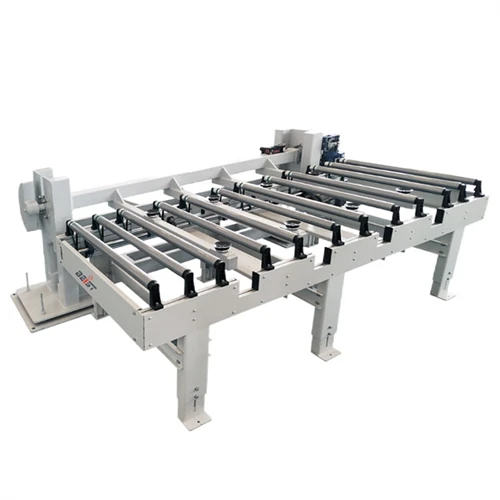
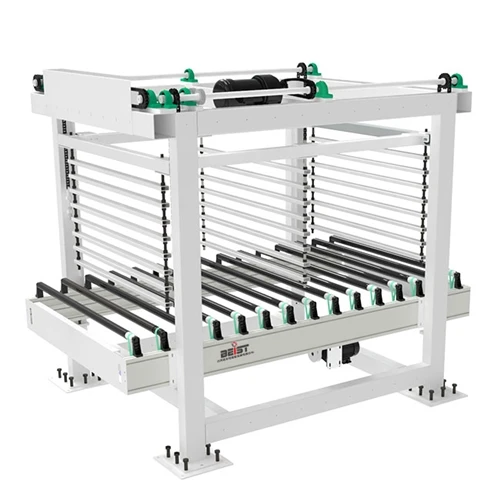
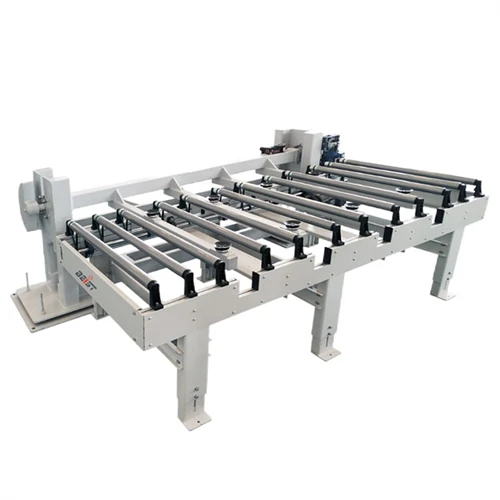
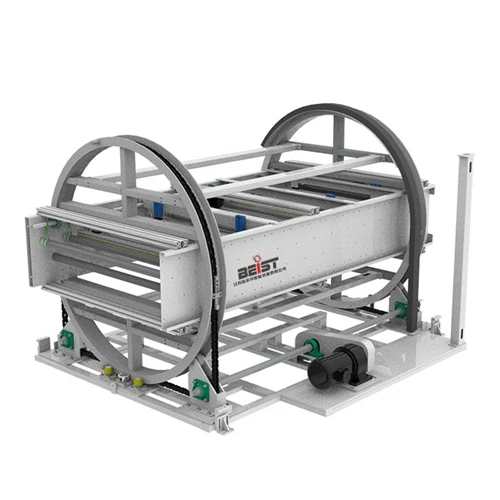
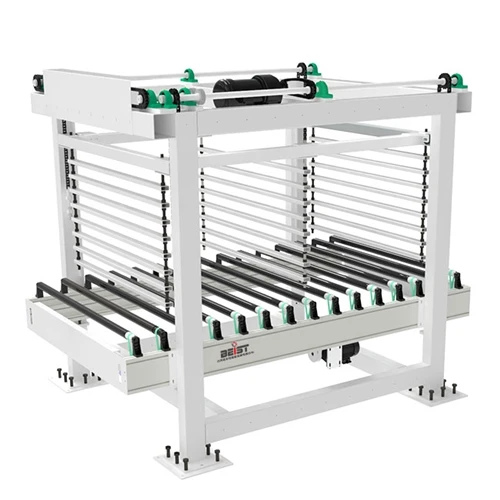
As a supplier of Gravity Roller Conveyors, ensuring the straightness of our products is of utmost importance. A straight conveyor not only guarantees smooth material flow but also extends the lifespan of the equipment and reduces maintenance costs. In this blog, I will share several effective methods to measure the straightness of a gravity roller conveyor.
Why Straightness Matters
Before diving into the measurement methods, it's essential to understand why straightness is crucial for a gravity roller conveyor. A conveyor that is not straight can cause uneven wear on the rollers, leading to premature failure. It can also result in misaligned product movement, which may cause jams or spills. Moreover, an un - straight conveyor can affect the accuracy of downstream processes that rely on the precise movement of goods.
Measuring Tools
To measure the straightness of a gravity roller conveyor, we need to have the right tools at hand. Some of the commonly used tools include:
- Laser Alignment Tool: This is a highly accurate tool that emits a laser beam. It can project a straight line over a long distance, allowing us to easily detect any deviations in the conveyor's alignment.
- String and Weight: A simple yet effective tool. By attaching a weight to a string and stretching it along the length of the conveyor, we can create a straight reference line.
- Spirit Level: A spirit level can be used to check the horizontal and vertical alignment of the conveyor sections.
Measurement Steps
Using a Laser Alignment Tool
- Set Up the Laser: Place the laser alignment tool at one end of the conveyor. Make sure it is securely mounted and leveled. Turn on the laser and adjust it so that the beam is parallel to the length of the conveyor.
- Take Readings: Walk along the conveyor and observe the position of the laser beam on each roller. Any deviation of the beam from the center of the roller indicates a misalignment. Measure the distance of the deviation using a ruler or a measuring tape.
- Record the Results: Note down the measurements at regular intervals along the conveyor. These records will help us identify the areas that need adjustment.
Using a String and Weight
- Attach the String: Tie a weight to one end of the string and hang it over the end of the conveyor. Stretch the string along the length of the conveyor, making sure it is taut.
- Check the Alignment: Look at the gap between the string and each roller. If the gap is not consistent, it means the conveyor is not straight. You can use a feeler gauge to measure the gap accurately.
- Mark the Problem Areas: Mark the areas where the gap is significantly different from the rest. These are the areas that need to be adjusted.
Using a Spirit Level
- Check Horizontal Alignment: Place the spirit level on top of the rollers at different points along the conveyor. If the bubble in the spirit level is not centered, it indicates that the conveyor is not level horizontally.
- Check Vertical Alignment: You can also use the spirit level to check the vertical alignment of the conveyor sections. Place the spirit level against the side of the conveyor frame at various locations. Any deviation from the vertical will be shown by the position of the bubble.
Adjusting the Conveyor
Once we have identified the areas of misalignment, we need to make the necessary adjustments. This may involve loosening the bolts that hold the conveyor sections together, re - positioning the sections, and then tightening the bolts again. It's important to make small adjustments and re - check the alignment after each adjustment.


Advanced Measurement Techniques
In addition to the basic measurement methods, there are some advanced techniques that can provide more accurate results.
- Optical 3D Scanning: This technology uses a 3D scanner to create a detailed digital model of the conveyor. By analyzing the model, we can detect even the slightest deviations in straightness.
- In - line Sensors: Installing in - line sensors along the conveyor can continuously monitor the alignment. These sensors can send real - time data to a control system, allowing for immediate adjustments if necessary.
Quality Assurance
As a Gravity Roller Conveyor supplier, we implement strict quality control measures to ensure the straightness of our products. Before delivery, each conveyor undergoes a series of inspections using the methods mentioned above. We also provide detailed installation and maintenance instructions to our customers to help them maintain the straightness of the conveyor over time.
Related Products
If you are interested in other types of conveyors, we also offer Roller Transfer Cart On Rail and Pneumatic Roller Conveyor. These products are part of our comprehensive range of Unpowered Roller Conveyor solutions.
Conclusion
Measuring the straightness of a gravity roller conveyor is a critical step in ensuring its optimal performance. By using the right tools and techniques, we can accurately detect and correct any misalignments. As a supplier, we are committed to providing high - quality conveyors that meet the strictest industry standards. If you are in the market for a gravity roller conveyor or have any questions about straightness measurement, please feel free to contact us for a detailed discussion and procurement negotiation.
References
- "Conveyor Technology Handbook" by Christopher J. Mobley
- "Industrial Conveyor Systems" by Andrew Plitt