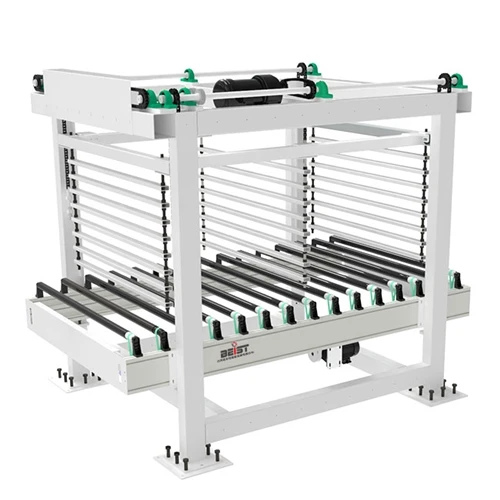
Hey there! As a supplier of Ball Transfer Table Conveyors, I've had my fair share of customers asking about how to measure the performance of these nifty machines. So, I thought I'd put together this blog to share some insights on the topic.
Understanding the Basics
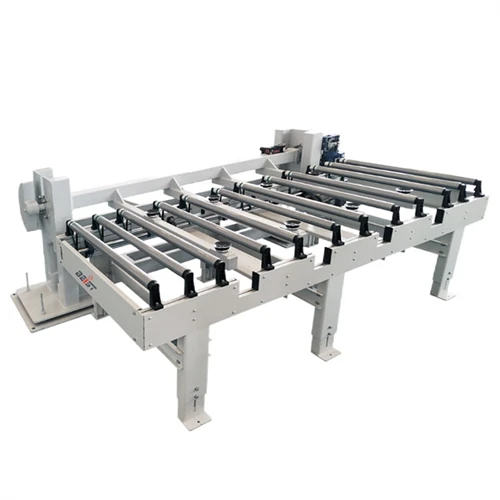
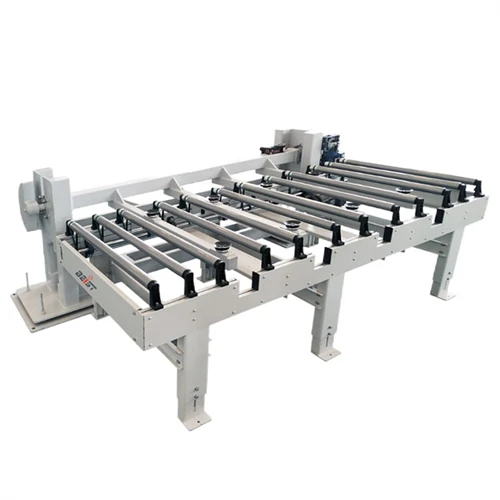
First off, let's quickly go over what a Ball Transfer Table Conveyor is. It's a type of conveyor system that uses small balls mounted in a grid pattern on a flat surface. These balls allow items to be moved in multiple directions with ease, making them super versatile for various applications. They're commonly used in industries like manufacturing, warehousing, and logistics to transfer goods between different workstations or conveyors.
Key Performance Metrics
When it comes to measuring the performance of a Ball Transfer Table Conveyor, there are several key metrics you should keep an eye on.
1. Load Capacity
The load capacity of a conveyor is one of the most important factors. It refers to the maximum weight that the conveyor can handle without experiencing excessive wear and tear or performance issues. To measure this, you can start by looking at the manufacturer's specifications. However, in real - world scenarios, it's a good idea to test the conveyor with different loads. Gradually increase the weight of the items being transported and observe how the conveyor behaves. If you notice any signs of sagging, reduced ball movement, or increased noise, it might be close to or exceeding its load capacity.
2. Transfer Speed
Transfer speed is another crucial metric. It measures how quickly items can be moved across the Ball Transfer Table Conveyor. To measure this, you can use a stopwatch. Mark a starting point and an ending point on the conveyor. Then, time how long it takes for an item to travel from the start to the end. Do this multiple times with different items to get an average speed. Keep in mind that the transfer speed can be affected by factors such as the weight of the item, the surface texture of the item, and the condition of the balls on the conveyor.
3. Accuracy of Transfer
Accuracy of transfer refers to how precisely the conveyor can move items to the desired location. This is especially important in applications where items need to be aligned correctly with other equipment or workstations. You can measure accuracy by placing a target at the end of the transfer path. Then, send a series of items down the conveyor and count how many of them land within an acceptable margin of error from the target. A high - accuracy conveyor will have a high percentage of items landing within the target area.
4. Durability
Durability is all about how well the conveyor holds up over time. To measure durability, you can look at the wear and tear on the balls and the surface of the conveyor. Check for signs of ball degradation, such as flattening or cracking. You can also monitor the frequency of maintenance required. A durable conveyor will require less frequent maintenance and will have a longer lifespan.
Factors Affecting Performance
There are several factors that can affect the performance of a Ball Transfer Table Conveyor.
1. Ball Quality
The quality of the balls used in the conveyor is a major factor. High - quality balls will have better mobility, less friction, and will be more resistant to wear. Cheaper or lower - quality balls may start to degrade quickly, leading to reduced performance.
2. Surface Condition
The surface on which the conveyor is installed also matters. If the surface is uneven or has debris on it, it can affect the movement of the balls and the overall performance of the conveyor. Make sure the surface is clean and level before installing the conveyor.
3. Maintenance
Regular maintenance is essential for optimal performance. This includes cleaning the conveyor to remove dirt and debris, lubricating the balls if necessary, and checking for any loose or damaged parts. Neglecting maintenance can lead to a significant drop in performance over time.
Comparing with Other Conveyor Types
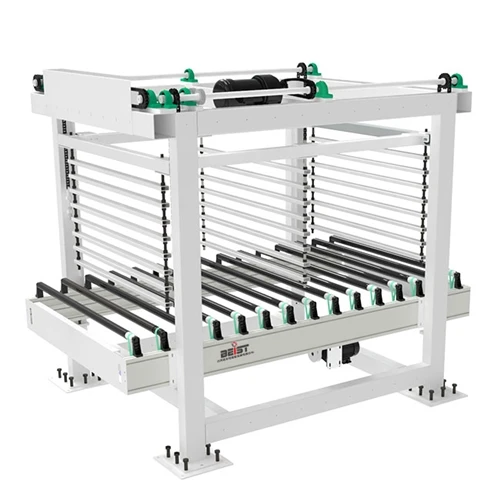
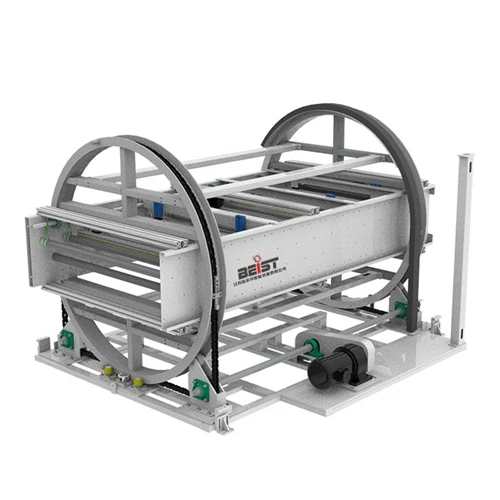
It's also interesting to compare the performance of Ball Transfer Table Conveyors with other types of conveyors, like the Conveyor Crossover Bridge, Gravity Roller Conveyor, and Unpowered Roller Conveyor.
Ball Transfer Table Conveyors offer more flexibility in terms of movement direction compared to roller conveyors. Roller conveyors are great for moving items in a straight line, but they may not be as good at making sharp turns or transferring items in multiple directions. However, roller conveyors may have a higher load - carrying capacity in some cases, especially for heavier items.
Improving Performance
If you find that the performance of your Ball Transfer Table Conveyor is not up to par, there are several things you can do to improve it.
1. Upgrade the Balls
As mentioned earlier, the quality of the balls plays a big role. Consider upgrading to higher - quality balls if you're experiencing performance issues.
2. Optimize the Surface
Make sure the surface where the conveyor is installed is in top - notch condition. You can use leveling pads to ensure the conveyor is perfectly flat, and clean the surface regularly.
3. Follow a Maintenance Schedule
Create a detailed maintenance schedule and stick to it. This will help keep the conveyor in good working condition and prevent major performance problems.


Conclusion
Measuring the performance of a Ball Transfer Table Conveyor is crucial for ensuring its efficient operation. By keeping an eye on key metrics like load capacity, transfer speed, accuracy of transfer, and durability, you can identify any issues early on and take steps to improve performance. Whether you're using it in a small - scale workshop or a large - scale industrial facility, understanding how to measure and optimize its performance will save you time and money in the long run.Well, if you're in the market for a high - quality Ball Transfer Table Conveyor or want to discuss your specific requirements, feel free to reach out. I'm always here to help you find the best solution for your business.
References
- "Conveyor Technology Handbook" by Lawrence C. Ioannides
- Industry whitepapers on conveyor performance measurement