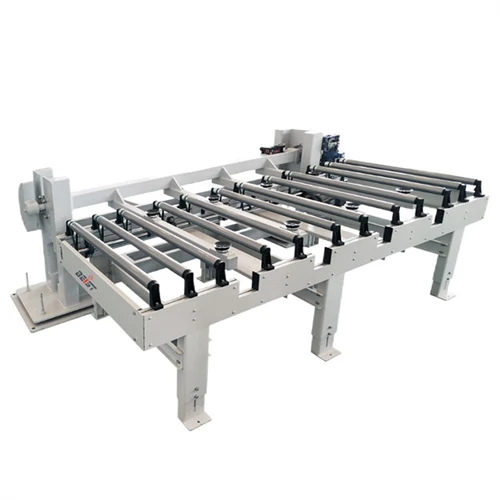
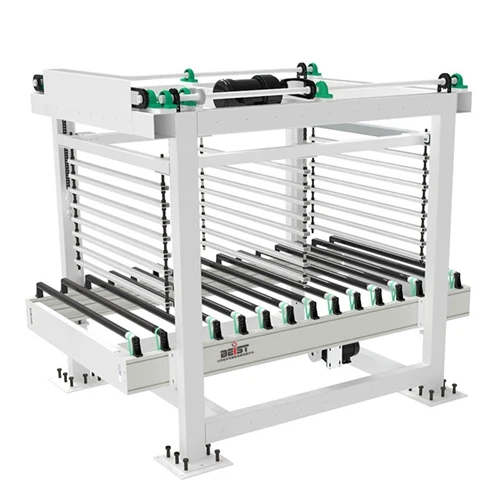
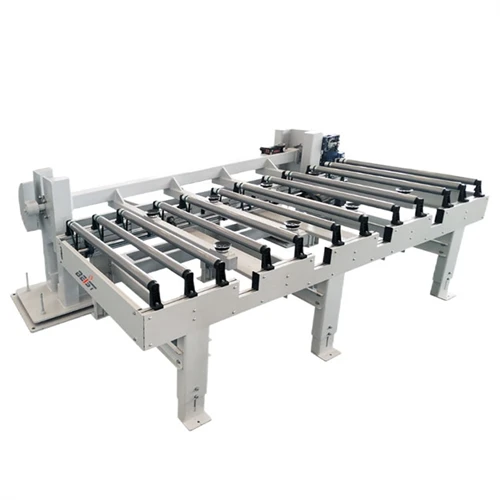
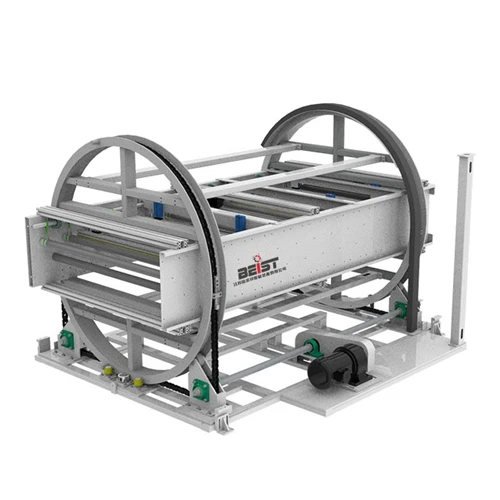
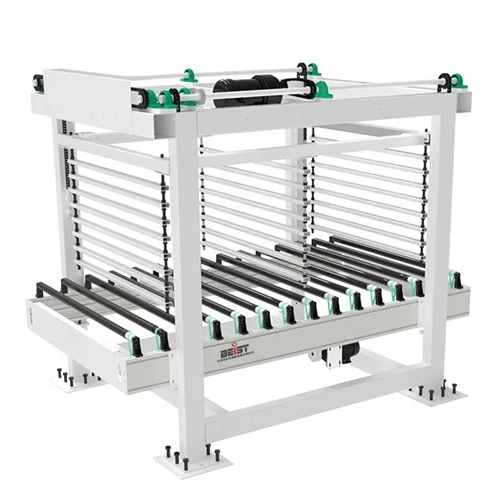
Maintaining the sorting accuracy of a sorting roller conveyor over time is crucial for businesses relying on efficient material handling and logistics operations. As a leading supplier of Sorting Roller Conveyors, we understand the challenges and complexities associated with ensuring long - term accuracy. In this blog, we will explore various strategies and best practices to help you keep your sorting roller conveyor operating at peak accuracy.
1. Regular Inspection and Maintenance
Regular inspection is the cornerstone of maintaining sorting accuracy. A well - maintained conveyor is less likely to experience malfunctions that can lead to sorting errors. Start by establishing a comprehensive inspection schedule. This should include daily visual checks and more in - depth monthly or quarterly inspections.
During daily checks, look for any obvious signs of wear and tear, such as loose rollers, damaged belts, or misaligned components. Ensure that all the sensors and control systems are functioning correctly. These sensors are responsible for detecting the position and characteristics of the items being sorted, so any malfunction can directly impact sorting accuracy.
For monthly or quarterly inspections, a more detailed examination is required. Check the alignment of the rollers. Misaligned rollers can cause items to veer off course, leading to incorrect sorting. Use precision measuring tools to ensure that the rollers are parallel and at the correct height. Also, inspect the drive systems, including motors and chains. Any issues with the drive can result in inconsistent speed, which can affect sorting accuracy.
Lubrication is another critical aspect of maintenance. Proper lubrication reduces friction between moving parts, extends the lifespan of the conveyor, and helps maintain smooth operation. Follow the manufacturer's recommendations for the type and frequency of lubrication. Over - lubrication can attract dirt and debris, while under - lubrication can cause excessive wear.
2. Calibration of Sensors and Control Systems
The sensors and control systems on a sorting roller conveyor are the brains behind the sorting process. Over time, these components can drift out of calibration, leading to inaccurate sorting. Regular calibration is essential to ensure that the sensors are accurately detecting the size, shape, and position of the items being sorted.


Calibration should be performed according to a set schedule, typically every few months or as recommended by the manufacturer. Use calibrated test objects to verify the accuracy of the sensors. These test objects should have known dimensions and characteristics that match the range of items the conveyor is designed to sort.
When calibrating the control systems, ensure that the sorting algorithms are up - to - date. As your business evolves and the types of items being sorted change, the sorting algorithms may need to be adjusted. Work with your conveyor supplier or a qualified technician to optimize the algorithms for maximum accuracy.
3. Environmental Considerations
The environment in which the sorting roller conveyor operates can have a significant impact on its sorting accuracy. Factors such as temperature, humidity, and dust can all affect the performance of the conveyor and its components.
High temperatures can cause the conveyor components to expand, which can lead to misalignment. On the other hand, low temperatures can make the belts and other materials more brittle, increasing the risk of breakage. Install temperature - control systems in the conveyor area to maintain a stable operating temperature.
Humidity can also cause problems. Excessive humidity can lead to corrosion of metal components, while low humidity can generate static electricity, which can attract dust and interfere with the sensors. Use dehumidifiers or humidifiers as needed to maintain the optimal humidity level.
Dust and debris can accumulate on the rollers, sensors, and other components, causing them to malfunction. Install dust collection systems and keep the conveyor area clean. Regularly clean the rollers and sensors to remove any dirt or debris that may have accumulated.
4. Operator Training
Well - trained operators are essential for maintaining the sorting accuracy of a sorting roller conveyor. Operators should be familiar with the operation, maintenance, and troubleshooting procedures of the conveyor.
Provide comprehensive training to all operators. This training should cover the basic operation of the conveyor, including how to load and unload items, start and stop the conveyor, and monitor the sorting process. Operators should also be trained on the proper use of the control systems and how to interpret the data displayed on the control panel.
In addition to basic operation, operators should be trained on maintenance procedures. They should know how to perform daily inspections, lubricate the conveyor, and identify common problems. Training on troubleshooting techniques will enable operators to quickly address any issues that arise, minimizing downtime and maintaining sorting accuracy.
5. Upgrades and Modernization
As technology advances, upgrading your sorting roller conveyor can significantly improve its sorting accuracy. Newer models often come with more advanced sensors, control systems, and sorting algorithms.
Consider upgrading the sensors on your conveyor to more accurate and reliable models. For example, some modern sensors can use advanced imaging technology to detect the shape and color of items, allowing for more precise sorting. Upgrading the control systems can also provide more flexibility and better performance.
Modernization can also involve adding new features to the conveyor. For example, Unpowered Roller Conveyor can be integrated into the sorting system to provide additional flexibility in material handling. Roller Conveyor Cart can be used for temporary storage or transfer of items, while Transfer Cart with Turntable can facilitate the transfer of items between different conveyor lines.
6. Data Monitoring and Analysis
Implement a data monitoring system to track the performance of the sorting roller conveyor over time. This system can collect data on various parameters, such as sorting accuracy, throughput, and downtime.
Analyze the data regularly to identify trends and potential issues. For example, if you notice a gradual decrease in sorting accuracy over time, it may indicate a problem with the sensors or the control systems. By analyzing the data, you can take proactive measures to address the issue before it becomes a major problem.
Use the data to optimize the operation of the conveyor. For example, you can adjust the sorting algorithms based on the actual sorting performance. You can also identify bottlenecks in the system and make changes to improve throughput.
Conclusion
Maintaining the sorting accuracy of a sorting roller conveyor over time requires a comprehensive approach that includes regular inspection and maintenance, calibration of sensors and control systems, environmental management, operator training, upgrades and modernization, and data monitoring and analysis.
As a trusted supplier of Sorting Roller Conveyors, we are committed to helping our customers achieve and maintain high - level sorting accuracy. Our team of experts can provide you with the support and guidance you need to keep your conveyor operating at its best.
If you are interested in learning more about our sorting roller conveyors or need assistance with maintaining the sorting accuracy of your existing conveyor, we encourage you to contact us for a procurement discussion. We look forward to working with you to optimize your material handling and logistics operations.
References
- Conveyor Equipment Manufacturers Association (CEMA). Conveyor Design Manual.
- Industry standards and guidelines for material handling equipment.
- Technical documentation provided by conveyor manufacturers.