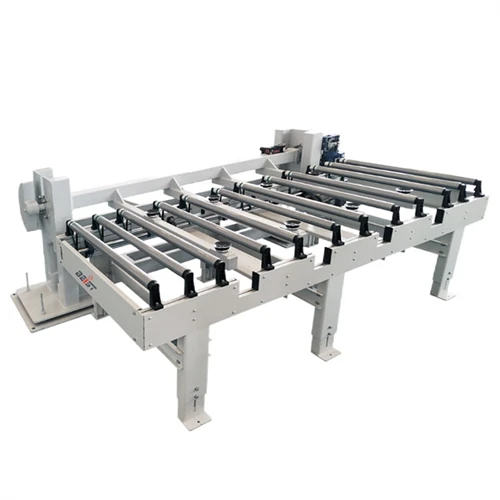
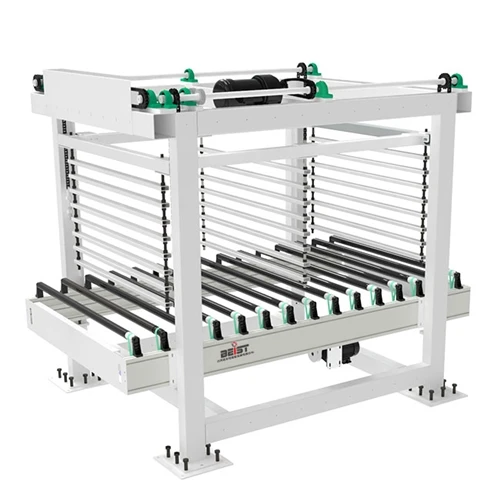
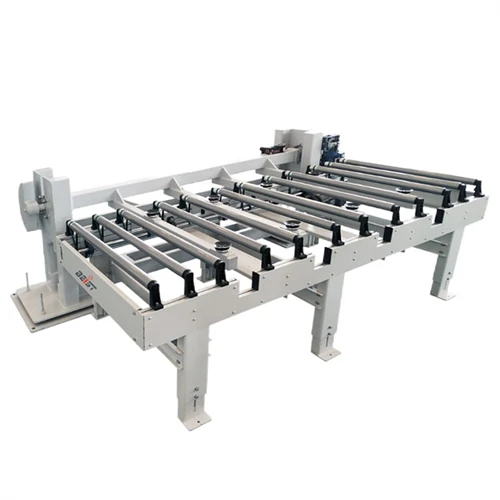
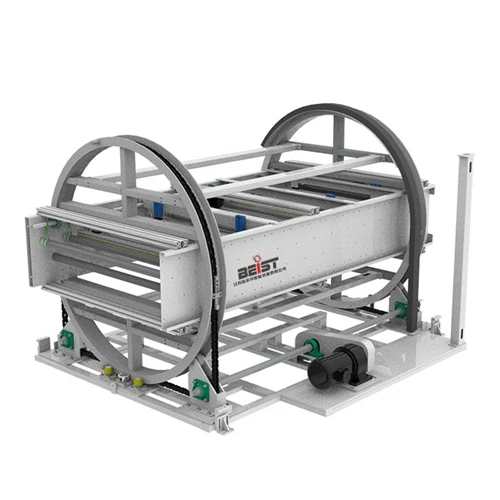
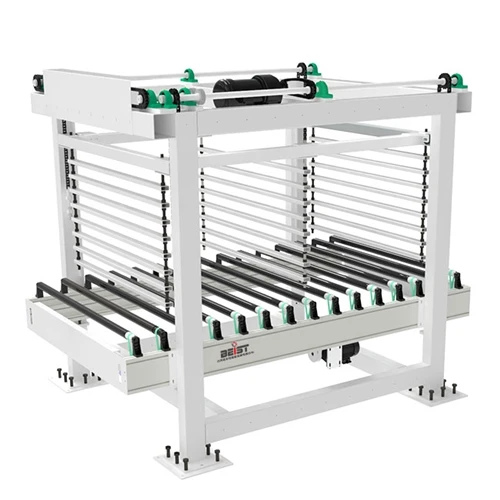
As a seasoned supplier of Gravity Roller Conveyors, I've witnessed firsthand the pivotal role these systems play in various industries. From manufacturing plants to warehouses, gravity roller conveyors streamline operations by facilitating the smooth movement of goods. However, to ensure their optimal performance and longevity, proper maintenance is essential. One crucial aspect of maintenance is lubricating the rollers. In this blog post, I'll share some valuable insights on how to lubricate the rollers of a gravity roller conveyor effectively.
Understanding the Importance of Roller Lubrication
Before delving into the lubrication process, it's essential to understand why lubricating the rollers is so important. Over time, the constant movement of goods across the rollers can cause friction, leading to wear and tear. This friction not only reduces the efficiency of the conveyor but also increases the risk of breakdowns and costly repairs. By lubricating the rollers, you can minimize friction, reduce wear, and extend the lifespan of your conveyor system.
Choosing the Right Lubricant
The first step in lubricating the rollers is choosing the right lubricant. There are several types of lubricants available, each with its own unique properties and applications. When selecting a lubricant for your gravity roller conveyor, consider the following factors:
- Operating Conditions: The operating conditions of your conveyor, such as temperature, humidity, and the type of goods being transported, will determine the type of lubricant you need. For example, if your conveyor operates in a high-temperature environment, you'll need a lubricant that can withstand extreme heat.
- Roller Material: The material of the rollers also plays a role in lubricant selection. Different materials require different types of lubricants to ensure optimal performance. For example, if your rollers are made of steel, you'll need a lubricant that provides excellent corrosion protection.
- Lubrication Method: The lubrication method you choose will also influence your lubricant selection. Some lubricants are designed for manual application, while others are suitable for automatic lubrication systems.
Based on these factors, I recommend using a high-quality, synthetic lubricant that is specifically formulated for roller conveyors. Synthetic lubricants offer several advantages over traditional mineral-based lubricants, including better temperature resistance, longer service life, and improved performance in extreme conditions.
Preparing for Lubrication
Once you've chosen the right lubricant, it's time to prepare for lubrication. Here are the steps you should follow:
- Clean the Rollers: Before applying lubricant, it's important to clean the rollers thoroughly to remove any dirt, debris, or old lubricant. You can use a mild detergent and water to clean the rollers, or a specialized roller cleaner if necessary. Make sure to dry the rollers completely before applying lubricant.
- Inspect the Rollers: While cleaning the rollers, take the time to inspect them for any signs of damage or wear. Look for cracks, dents, or uneven surfaces, as these can affect the performance of the rollers and increase the risk of breakdowns. If you notice any damage, replace the damaged rollers immediately.
- Gather the Necessary Tools: You'll need a few tools to lubricate the rollers, including a lubricant applicator, such as a brush or spray gun, and a clean cloth. Make sure to have these tools on hand before you start lubricating the rollers.
Lubricating the Rollers
Now that you've prepared for lubrication, it's time to apply the lubricant to the rollers. Here's how to do it:


- Apply the Lubricant: Using the lubricant applicator, apply a thin, even layer of lubricant to the surface of the rollers. Make sure to cover the entire surface of the rollers, including the ends and the bearings. Avoid applying too much lubricant, as this can cause the rollers to slip and reduce the efficiency of the conveyor.
- Distribute the Lubricant: After applying the lubricant, use a clean cloth to distribute it evenly across the surface of the rollers. This will help to ensure that the lubricant is evenly distributed and that all parts of the rollers are properly lubricated.
- Recheck the Rollers: Once you've lubricated the rollers, recheck them to make sure that the lubricant has been applied evenly and that there are no signs of excess lubricant. If you notice any excess lubricant, use a clean cloth to wipe it off.
Frequency of Lubrication
The frequency of lubrication will depend on several factors, including the operating conditions of your conveyor, the type of lubricant you're using, and the manufacturer's recommendations. In general, I recommend lubricating the rollers of your gravity roller conveyor at least once every three months. However, if your conveyor operates in a harsh environment or transports heavy loads, you may need to lubricate the rollers more frequently.
Additional Tips for Maintaining Your Gravity Roller Conveyor
In addition to lubricating the rollers, there are several other things you can do to maintain your gravity roller conveyor and ensure its optimal performance:
- Regular Inspections: Conduct regular inspections of your conveyor to check for any signs of damage or wear. Look for loose bolts, worn bearings, and other issues that could affect the performance of the conveyor. If you notice any problems, address them immediately to prevent further damage.
- Clean the Conveyor: Keep the conveyor clean by removing any dirt, debris, or spills that may accumulate on the surface of the rollers or the frame. This will help to prevent corrosion and ensure the smooth operation of the conveyor.
- Adjust the Tension: Over time, the tension of the conveyor belt may loosen, causing the rollers to slip and reducing the efficiency of the conveyor. To prevent this, check the tension of the conveyor belt regularly and adjust it as needed.
- Replace Worn Parts: If you notice any worn or damaged parts on your conveyor, such as rollers, bearings, or belts, replace them immediately. Using worn or damaged parts can increase the risk of breakdowns and reduce the lifespan of your conveyor.
Conclusion
Lubricating the rollers of a gravity roller conveyor is an essential part of maintenance that can help to ensure the optimal performance and longevity of your conveyor system. By following the tips and guidelines outlined in this blog post, you can choose the right lubricant, prepare for lubrication, and apply the lubricant correctly to keep your rollers running smoothly. Remember to conduct regular inspections, clean the conveyor, adjust the tension, and replace worn parts to maintain your conveyor and prevent costly breakdowns.
If you're in the market for a high-quality gravity roller conveyor or need assistance with maintenance and repair, please don't hesitate to [contact us]. We're a leading supplier of Roller Transfer Cart On Rail, Conveyor Platform for Cold Press, and Roller Conveyor Cart, and we're committed to providing our customers with the best products and services. Contact us today to learn more about our products and how we can help you improve the efficiency of your operations.
References
- "Gravity Roller Conveyor Maintenance Guide," Conveyor Systems Ltd.
- "Lubrication Basics for Roller Conveyors," Machinery Lubrication.
- "How to Lubricate a Conveyor System," ThomasNet.